


In the pursuit of more efficient and sustainable energy sources, researchers have explored optimizing the production of medium-chain fatty acids (MCFAs) from sewage sludge—a solution for waste disposal and renewable energy generation. A recent study focused on the impact of biochar addition at different stages, either in the acidification or chain elongation (CE) processes, revealing outcomes.
When biochar was introduced during the acidification process, MCFAs accumulation increased by 114%, showcasing carbon conversion efficiency (134.66%) and electron transfer efficiency (94.22%) during terminal CE. This strategic biochar addition enhanced the dominance of CE bacteria, such as Paraclostridium, and fortified key metabolic pathways. Conversely, introducing biochar before the CE process enriched bacteria capable of organic degradation.
The study underscores the role of chain elongation (CE) biotechnology in upgrading short-chain fatty acids (SCFAs) to MCFAs, known for their higher energy density and lower water solubility. Sewage sludge, a by-product of wastewater treatment, emerges as a promising substrate for MCFAs production, offering a sustainable solution to waste disposal and energy needs.
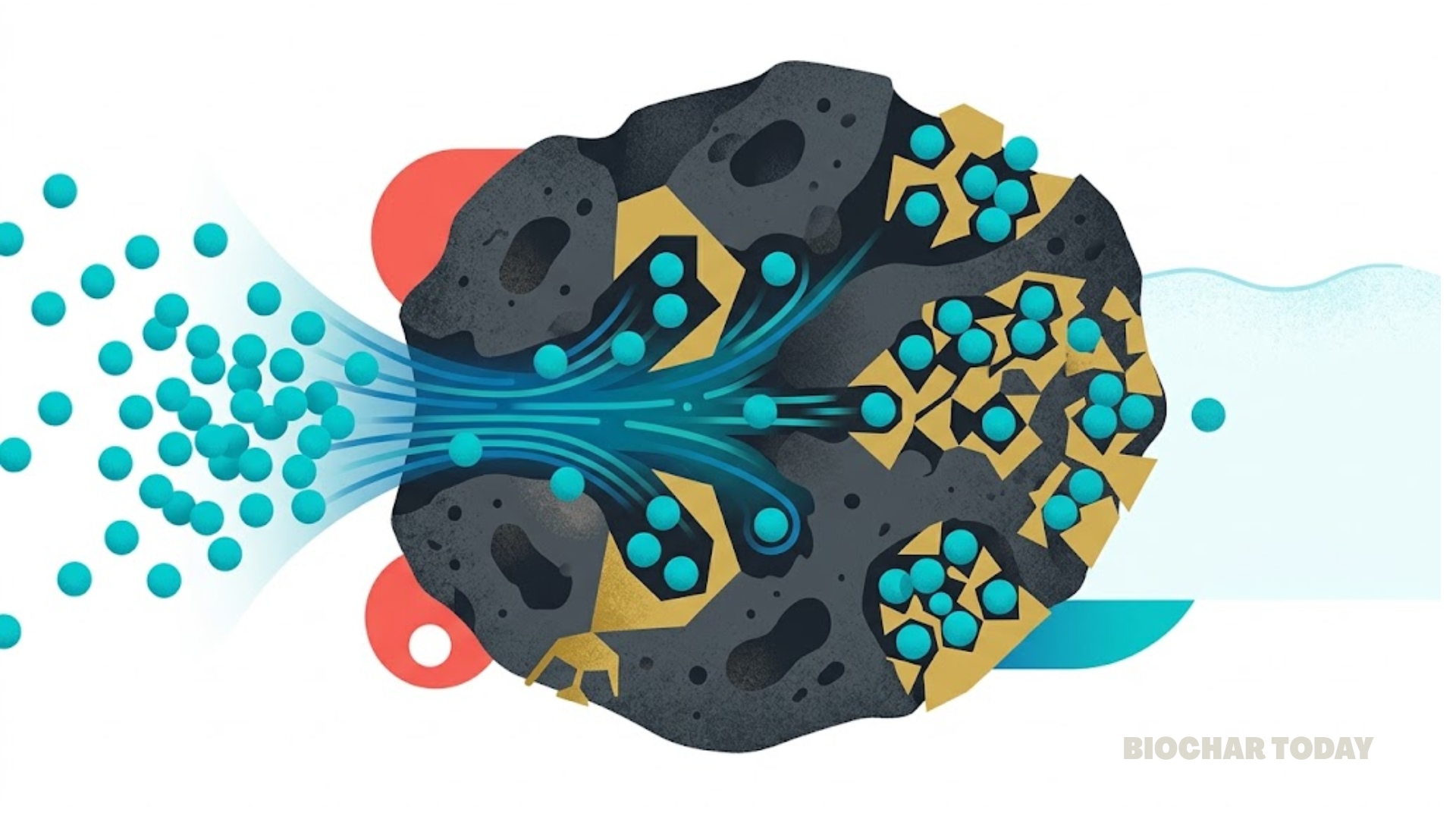
Biochar, with its unique properties facilitating microbial immobilization and electron transfer, proves effective in enhancing MCFAs production. The research emphasizes the importance of the timing of biochar addition, shedding light on optimal strategies for improved outcomes. Understanding the microbial dynamics and metabolic pathways influenced by different biochar adding strategies is crucial for optimizing MCFAs production, contributing to more sustainable and efficient energy solutions in the future.



Leave a Reply to Ryan PetrovCancel reply