
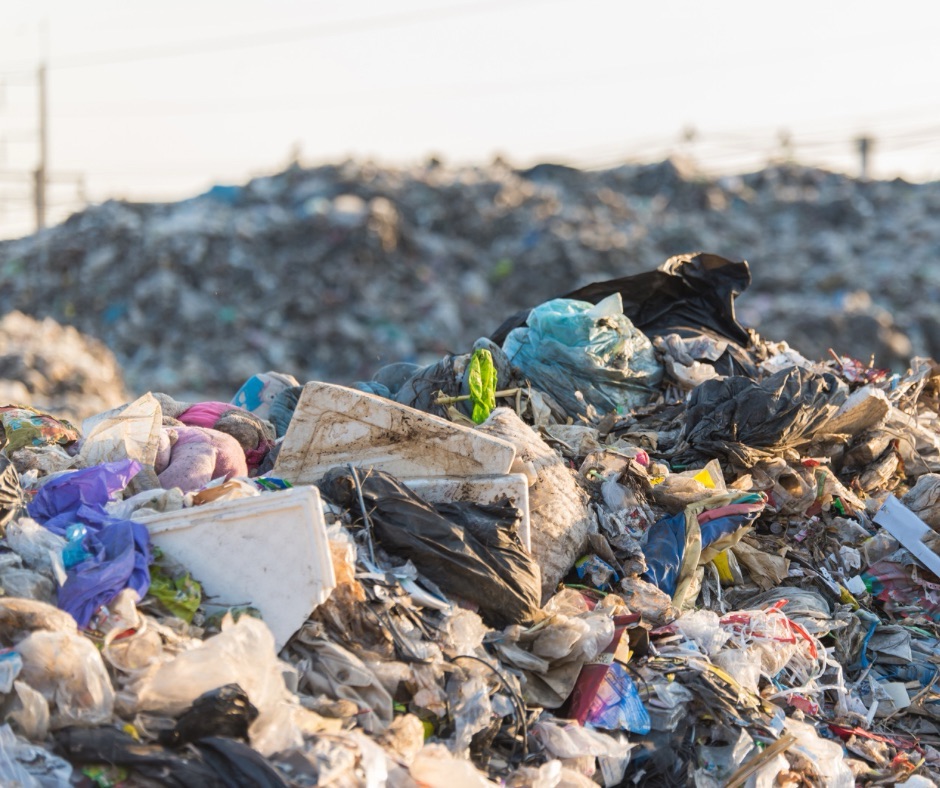

Engineered landfill cover soil (LCS) systems are promising for mitigating methane (CH4) emissions from landfills. Optimizing their efficiency requires manipulating the methanotroph (MOB) composition and microbial diversity within the soil. This study investigated how inoculating soil with exogenous MOB-rich bacteria and amending it with biochar interact to shape the microbial community.
Three types of soil with active CH4 oxidation (paddy soil, river wetland soil, and LCS) were enriched with MOB communities. These enriched communities were then inoculated into LCS amended with two different biochars. The researchers monitored CH4 oxidation efficiency, microbial community evolution during enrichment, and community colonization in the biochar-amended LCS.
Key findings:
- Paddy soil inoculum showed the most promising adaptation to LCS. It retained high CH4 oxidation capacity and fostered a diverse community with broader soil functions.
- Biochar had a less significant impact on community diversity and function compared to bacteria inoculation.However, it influenced community structure by stimulating dominant MOB species and potentially introducing stochastic processes through inorganic nutrients.
- Type II MOB Methylocystis dominated in most enriched communities, except for river wetland soil, which was dominated by type I MOB.
This study highlights the potential of combining exogenous bacteria and biochar to optimize engineered CH4 mitigation systems. Paddy soil-derived inocula, with their diverse MOB species, offer a promising approach for achieving both high CH4 oxidation and a functionally diverse microbial community in LCS.



Leave a Reply