
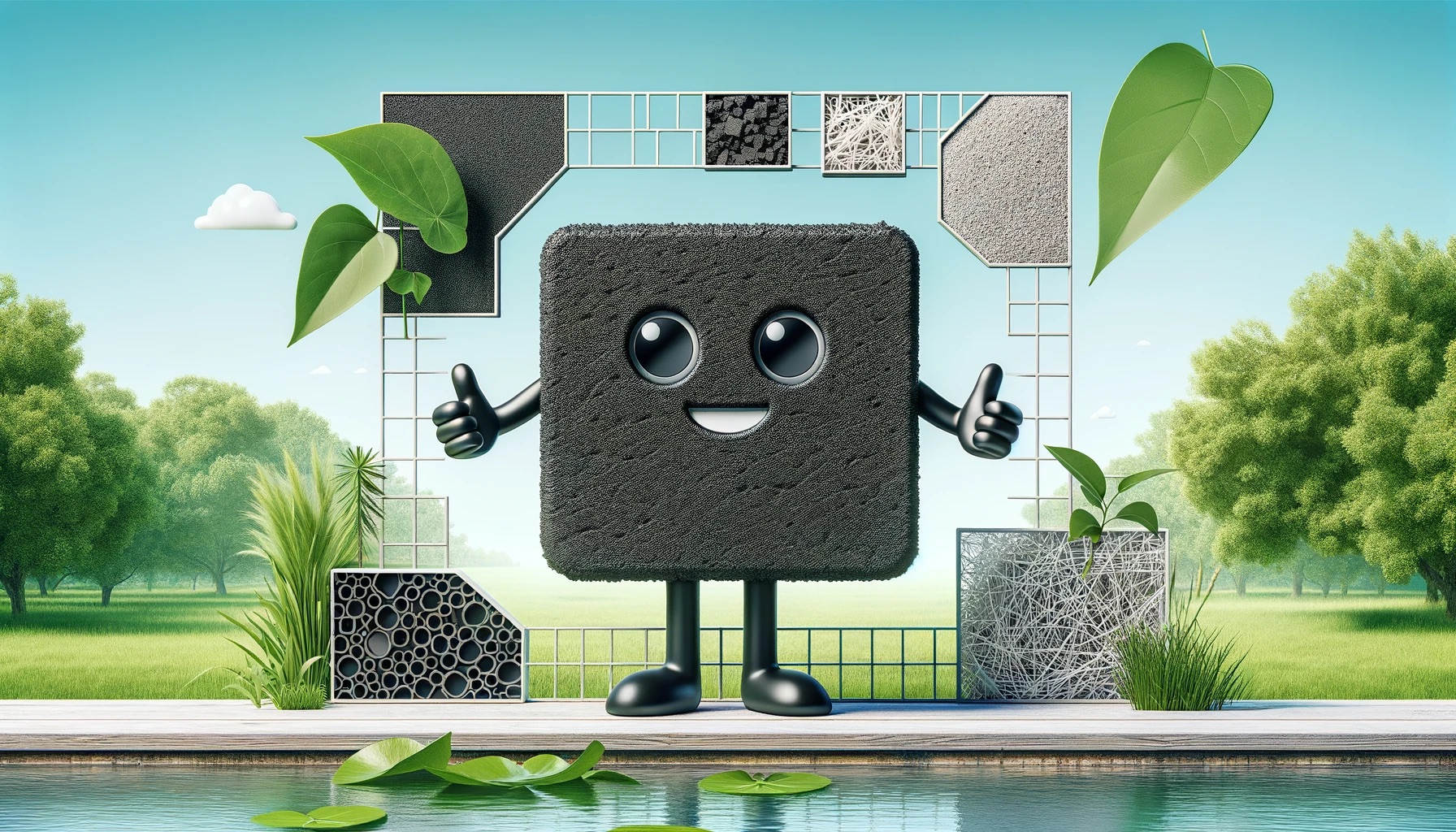

In a recent study published in Chemosphere, researchers explored the potential of chitosan-based composite materials for environmental containment. The study focuses on three types of composites: chitosan-bentonite (CBC), chitosan-amended biocharBiochar is a carbon-rich material created from biomass decomposition in low-oxygen conditions. It has important applications in environmental remediation, soil improvement, agriculture, carbon sequestration, energy storage, and sustainable materials, promoting efficiency and reducing waste in various contexts while addressing climate change challenges. More (CAB), and chitosan-bentonite-biochar (CBBC).
Chitosan, a biopolymer derived from chitin in crustacean shells, exhibits high adsorption capacities for various contaminants due to its reactive functional groups. Bentonite, known for its large surface area and anionic nature, complements chitosan by adsorbing both cationic and anionic species such as heavy metals and dyes. Biochar, produced from biomassBiomass is a complex biological organic or non-organic solid product derived from living or recently living organism and available naturally. Various types of wastes such as animal manure, waste paper, sludge and many industrial wastes are also treated as biomass because like natural biomass these More through pyrolysisPyrolysis is a thermochemical process that converts waste biomass into bio-char, bio-oil, and pyro-gas. It offers significant advantages in waste valorization, turning low-value materials into economically valuable resources. Its versatility allows for tailored products based on operational conditions, presenting itself as a cost-effective and efficient More, enhances the composite’s surface area and microporosity, further boosting contaminant adsorption.
The study reviews the synthesis procedures of these composites, highlighting that CBC can effectively remove contaminants by leveraging the combined properties of chitosan and bentonite. CAB composites, characterized by their low cost and high surface area, are effective against a wide range of contaminants due to biochar’s microporosity and chitosan’s functional groups. Although less studied, CBBC composites offer the combined benefits of all three materials, making them highly efficient barrier materials for diverse environmental applications.
This research provides a foundation for future development of sustainable and resilient barrier systems. By integrating chitosan, biochar, and bentonite, these novel composites could revolutionize contaminant containment strategies, offering an eco-friendly alternative to conventional materials.




Leave a Reply