


Radioactive iodine contamination in the environment is a serious issue, affecting soil, water, and food chains, and thereby impacting ecosystems and biodiversity.
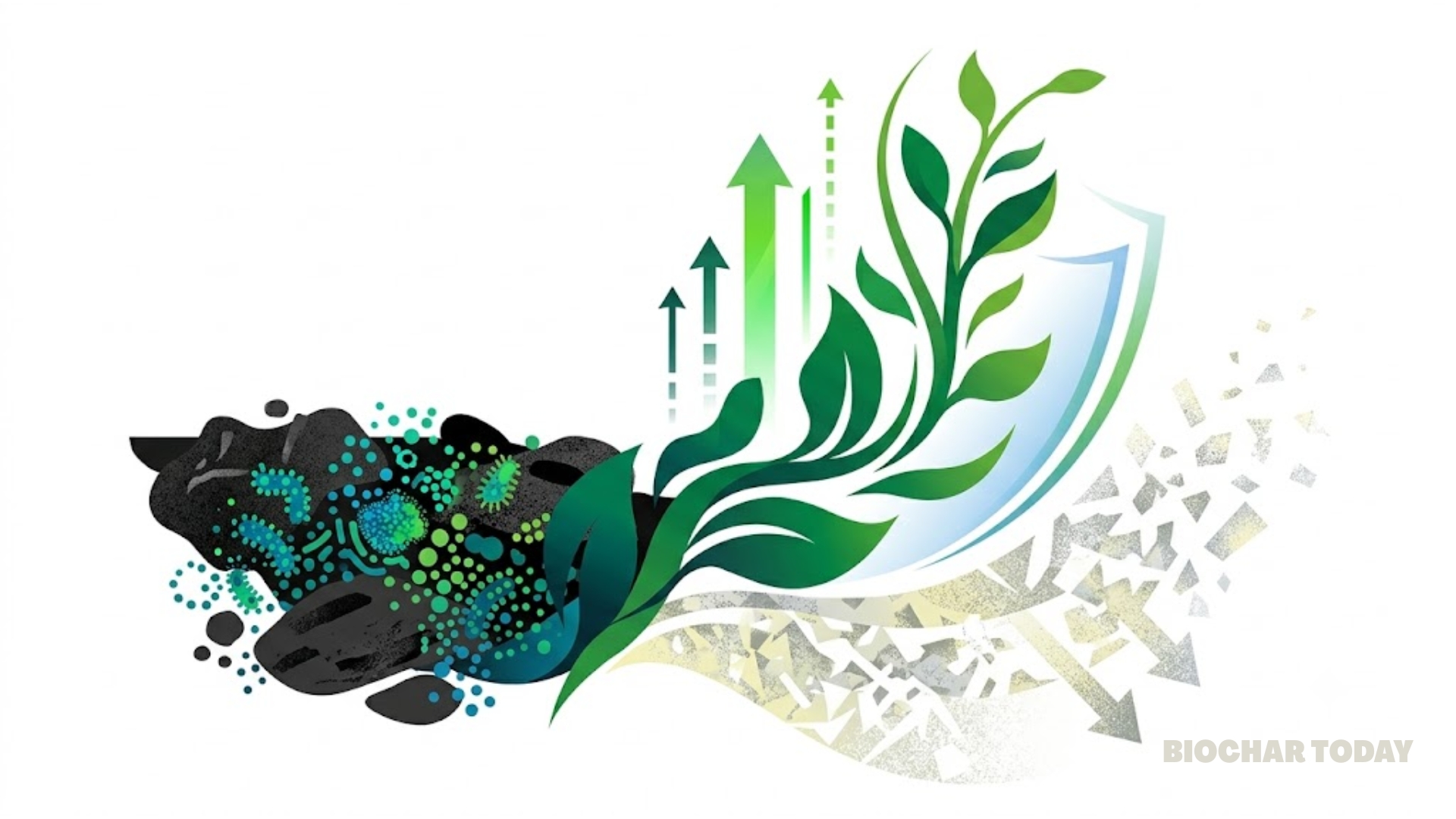
A promising method for tackling this problem is using N/O-codoped ultrathin porous biochar for adsorption. This biochar, derived from casein and activated with NaHCO3, has shown a high saturation level of iodine adsorption, reaching 73 mg·g–1 in a 100 mg L–1 iodine–cyclohexane solution within 20 minutes. The effectiveness is attributed to graphite nitrogen (NG) and C–OH groups on the biochar’s surface, with DFT calculations and experiments supporting this finding.
The adsorption process is primarily physisorption-based, fitting well with the pseudo-first-order model, and the Freundlich isotherm due to the biochar’s abundant adsorption sites. Notably, NG sites are 1.5 times more effective than C–OH sites, highlighting their crucial role in iodine adsorption and electron transfer. This study demonstrates the potential of N/O-codoped biochar in mitigating radioactive iodine contamination.



Leave a Reply