
Kamal, et al (2024) Manure-biochar compost mitigates the soil salinity stress in tomato plants by modulating the osmoregulatory mechanism, photosynthetic pigments, and ionic homeostasis. Scientific Reports. https://doi.org/10.1038/s41598-024-73093-5
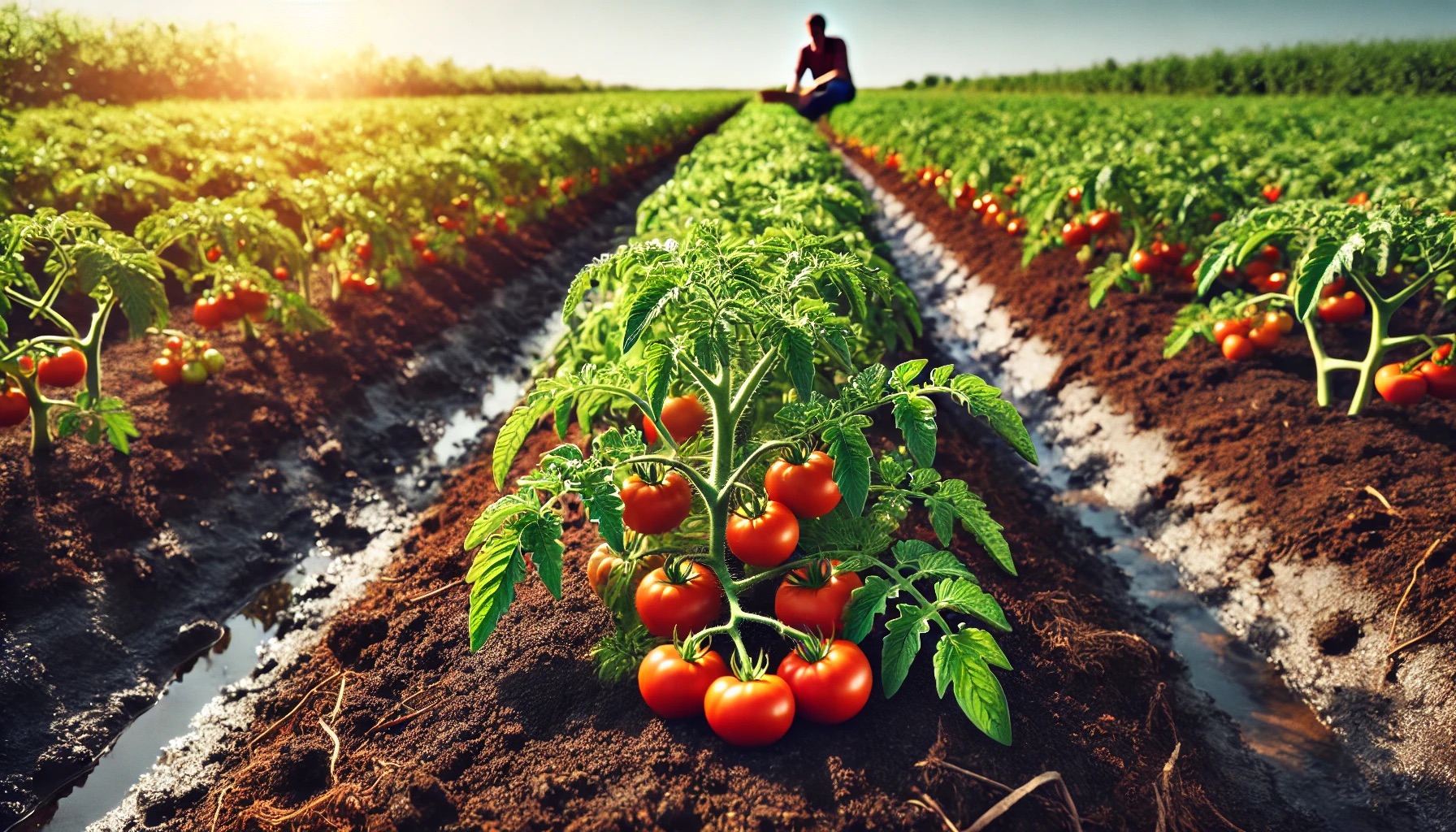
Soil salinity is a significant challenge affecting agricultural productivity globally, particularly for sensitive crops like tomatoes. A recent study explored the potential of manure-biochar compost (MBC) to mitigate salt stress in tomato plants by improving growth, yield, and various physiological mechanisms. The research compared the effects of different combinations of MBC, using cow dung or poultry manure, with mineral fertilization on salt-stressed tomato plants.
The study found that untreated saline soil severely hindered tomato growth, reducing plant height, leaf area, and fruit yield. However, applying MBC significantly improved plant growth and yield, with the best results from the treatment combining poultry manure-biochar (1:2 ratio) and mineral fertilizer. This treatment increased leaf water content, nutrient accumulation, and photosynthetic pigments, while reducing oxidative stress and leaf damage caused by salt.
One of the mechanisms behind the success of MBC is its ability to enhance osmotic regulation in plants. MBC-treated plants exhibited higher levels of proline, soluble sugars, and antioxidants, helping them maintain ion balance and reduce reactive oxygen species (ROS) damage. Additionally, MBC improved nutrient uptake, particularly potassium, while limiting harmful sodium accumulation.
Overall, this research suggests that manure-biochar compost is an effective, sustainable strategy to improve tomato productivity in saline soils by enhancing plant resilience through improved water retention, nutrient availability, and stress tolerance. This could be a valuable approach for farmers facing soil salinization due to climate change and irrigation practices.





Leave a Reply