
Coşgun, A., Oral, B., Günay, M.E. et al. Machine Learning–Based Analysis of Sustainable BiocharBiochar is a carbon-rich material created from biomass decomposition in low-oxygen conditions. It has important applications in environmental remediation, soil improvement, agriculture, carbon sequestration, energy storage, and sustainable materials, promoting efficiency and reducing waste in various contexts while addressing climate change challenges. More Production Processes. Bioenerg. Res.(2024). https://doi.org/10.1007/s12155-024-10796-7
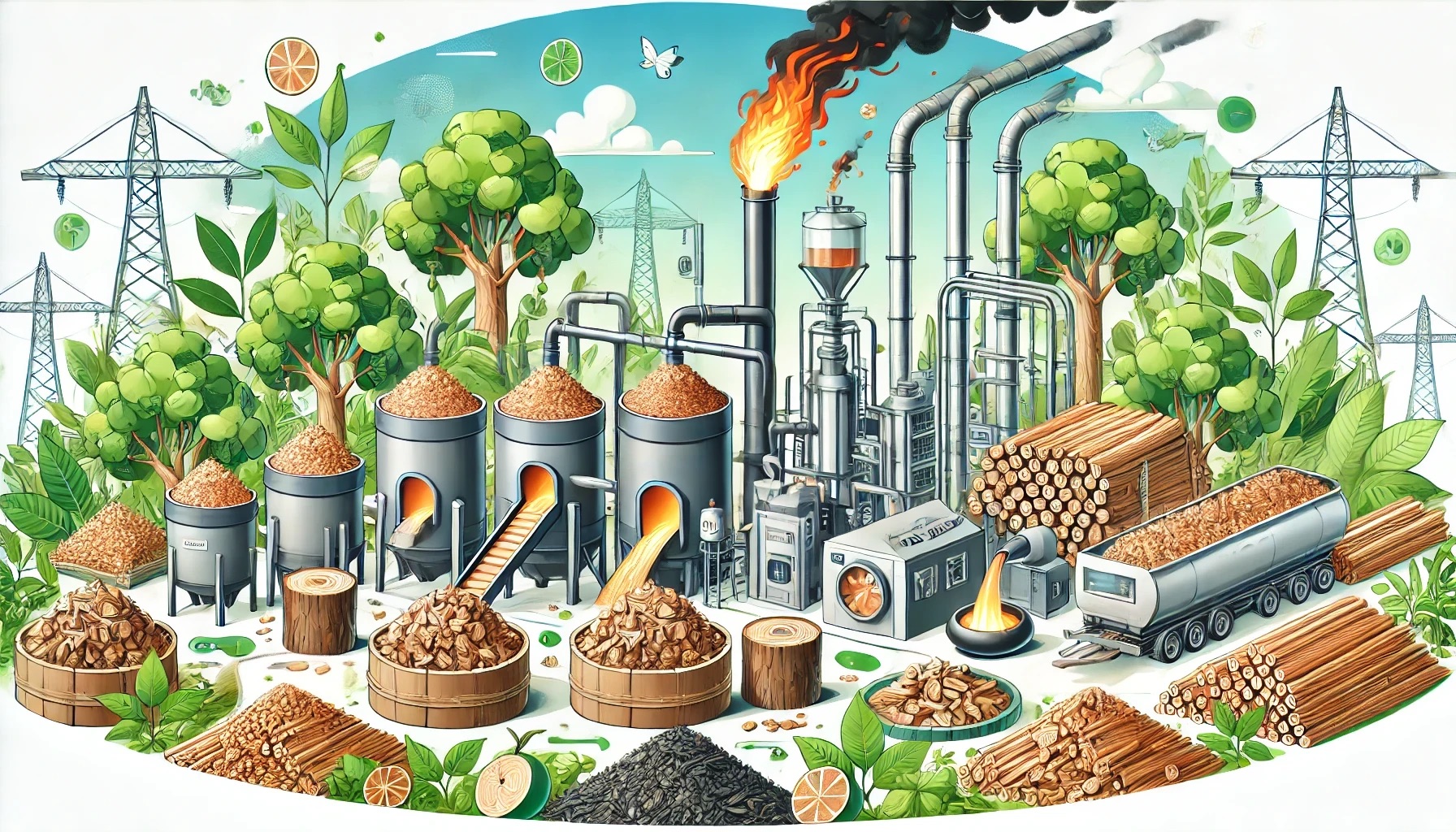
Abstract. Biochar production from biomassBiomass is a complex biological organic or non-organic solid product derived from living or recently living organism and available naturally. Various types of wastes such as animal manure, waste paper, sludge and many industrial wastes are also treated as biomass because like natural biomass these More sources is a highly complex, multistep process that depends on several factors, including feedstockFeedstock refers to the raw organic material used to produce biochar. This can include a wide range of materials, such as wood chips, agricultural residues, and animal manure. More composition (e.g., type of biomass, particle size) and operating conditions (e.g., reaction temperature, pressure, residence timeResidence time refers to the duration that the biomass is heated during the pyrolysis process. The residence time can influence the properties of the biochar produced. More). However, the optimal set of variables for producing the maximum amount of biochar with the required characteristics can be determined by using machine learning (ML). In light of this, the purpose of this paper is to examine ML applications in biochar processes for the production of sustainable fuels. First, recent developments in the field are summarized, and then, a detailed review of ML applications in biochar production is presented. Following that, a bibliometric analysis is done to illustrate the major trends and construct a comprehensive perspective for future studies. It is found that biochar yield is the most common target variable for ML applications in biochar production. It is then concluded that ML can help to detect hidden patterns and make accurate predictions for determining the combination of variables that results in the desired properties of biochar which can be later used for decision-making, resource allocation, and fuel production.





Leave a Reply