
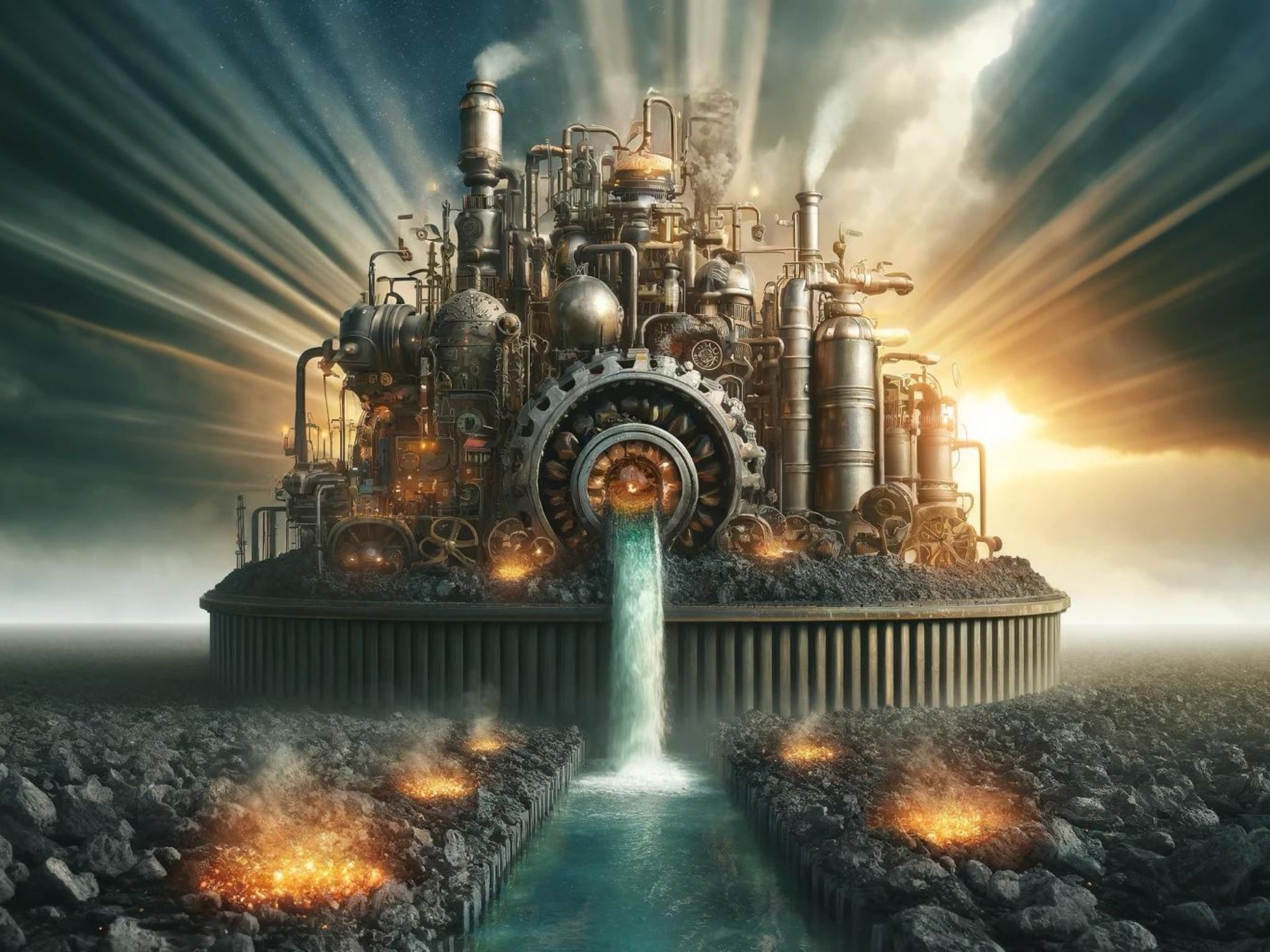
Li, et al (2024) Synergistic treatment of sewage sludge and food waste digestate residues for efficient energy recovery and biocharBiochar is a carbon-rich material created from biomass decomposition in low-oxygen conditions. It has important applications in environmental remediation, soil improvement, agriculture, carbon sequestration, energy storage, and sustainable materials, promoting efficiency and reducing waste in various contexts while addressing climate change challenges. More preparation by hydrothermal pretreatment, anaerobic digestion, and pyrolysisPyrolysis is a thermochemical process that converts waste biomass into bio-char, bio-oil, and pyro-gas. It offers significant advantages in waste valorization, turning low-value materials into economically valuable resources. Its versatility allows for tailored products based on operational conditions, presenting itself as a cost-effective and efficient More. Applied Energy. https://doi.org/10.1016/j.apenergy.2024.123203
Recent studies highlight a novel approach to managing sewage sludge (SS) and food waste digestate residues (DR) that improves dewaterability, mitigates heavy metal risks, and enhances energy recovery. This research explores the combined use of hydrothermal pretreatment (HP), anaerobic digestion (AD), and pyrolysis as a comprehensive waste treatment strategy.
Hydrothermal pretreatment (HP) effectively breaks down extracellular polymeric substances in SS and DR, significantly enhancing the dewaterability of these wastes. This pretreatment was conducted at 180°C, integrating 25% to 50% DR by mass which improved the solid content of the centrifuged cakes. Following HP, the liquid fraction exhibited high chemical oxygen demand (COD) and was processed through AD at 37°C. This stage produced substantial amounts of methane (CH4), ranging from 193.75 to 210.39 mL/g COD_input, which could potentially supply almost 90% of the HP energy requirements, significantly reducing energy inputs.
The AD process not only aids in energy recovery but also stabilizes the organic contaminants, shifting the microbial community from hydrogen to acetic acid utilization. This shift is crucial for enhancing methane production under varying DR ratios.
Subsequent pyrolysis of the HP and AD-treated materials at 700°C facilitated the production of biochar, which effectively immobilized heavy metals such as Zn, Cu, Ni, and Pb. The treatment ensured that these metals were locked in stable forms within the biochar structure, reducing ecological risks and leachingLeaching is the process where nutrients are dissolved and carried away from the soil by water. This can lead to nutrient depletion and environmental pollution. Biochar can help reduce leaching by improving nutrient retention in the soil. More potential. The final biochar exhibited over 85% of these metals in residual fractions, posing a low ecological threat.
This integrated treatment method not only promises significant improvements in waste management by enhancing dewaterability and reducing heavy metal risks but also offers a sustainable way to recover energy and prepare valuable biochar. The approach demonstrates a viable alternative to conventional incineration and landfill methods, aligning with global efforts to reduce carbon emissions and advance circular economy practices in waste management. This innovative method leverages the synergistic potentials of HP, AD, and pyrolysis, setting a new standard for environmental sustainability in waste treatment technologies.





Leave a Reply