
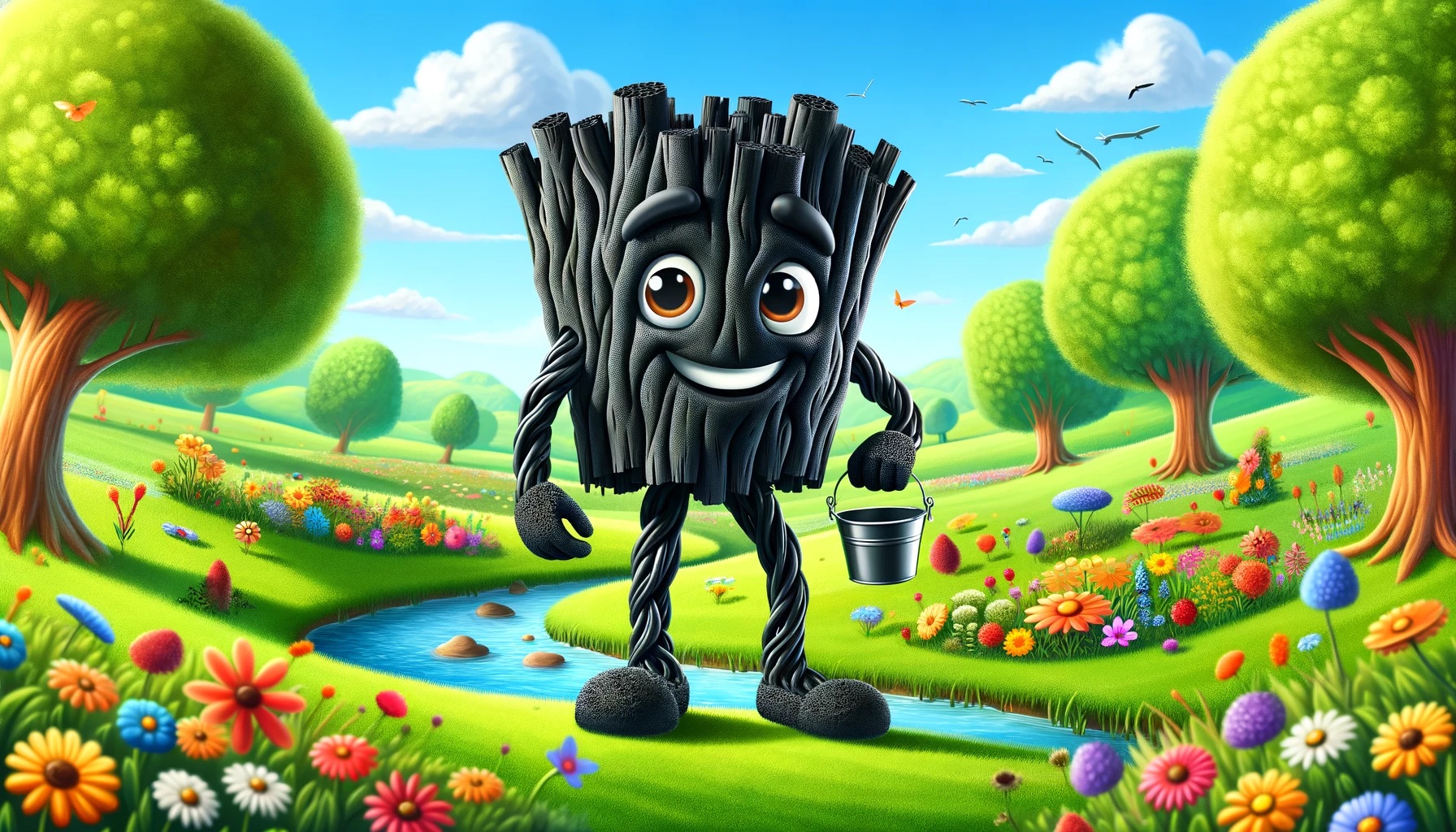

Researchers have developed a novel activated biochar from waste luffa vine (LV), demonstrating its potential for removing methylene blue (MB) dye from wastewater. Utilizing a simple one-step carbonization method, the LV-derived activated biochar (LVAC) exhibited a highly porous structure and a large specific surface area of 1075.17 m²/g. These properties contributed to its impressive adsorption capacity of 559.11 mg/g, making it a superior candidate for dye removal compared to many previously reported activated carbons.
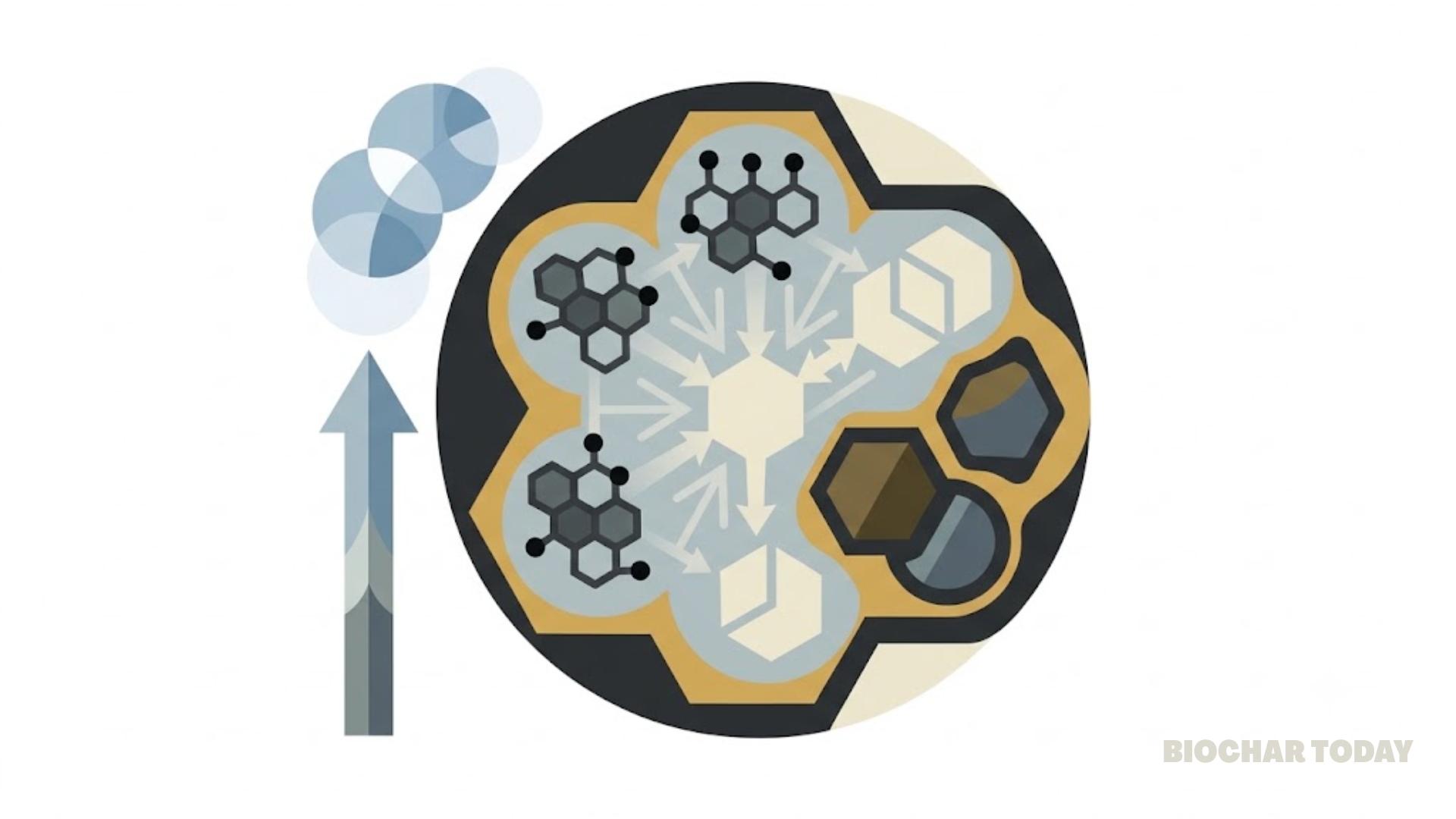
The adsorption mechanism of LVAC involved multiple interactions, including π–π interactions, electrostatic interactions, and hydrogen bonding. This combination allowed LVAC to selectively and efficiently capture MB from water. The study also showed that LVAC maintained 83% of its adsorption efficiency after eight reuse cycles, highlighting its excellent recyclability.
This breakthrough demonstrates the high-value utilization of agricultural waste, converting it into an effective material for wastewater purification. The innovative use of luffa vine not only addresses environmental issues associated with agricultural waste but also offers a cost-effective solution for treating dye-laden industrial effluents. The success of LVAC in MB removal underscores its potential as a high-performance adsorbent for water purification applications, marking a significant step forward in sustainable waste management and environmental protection.


Leave a Reply