
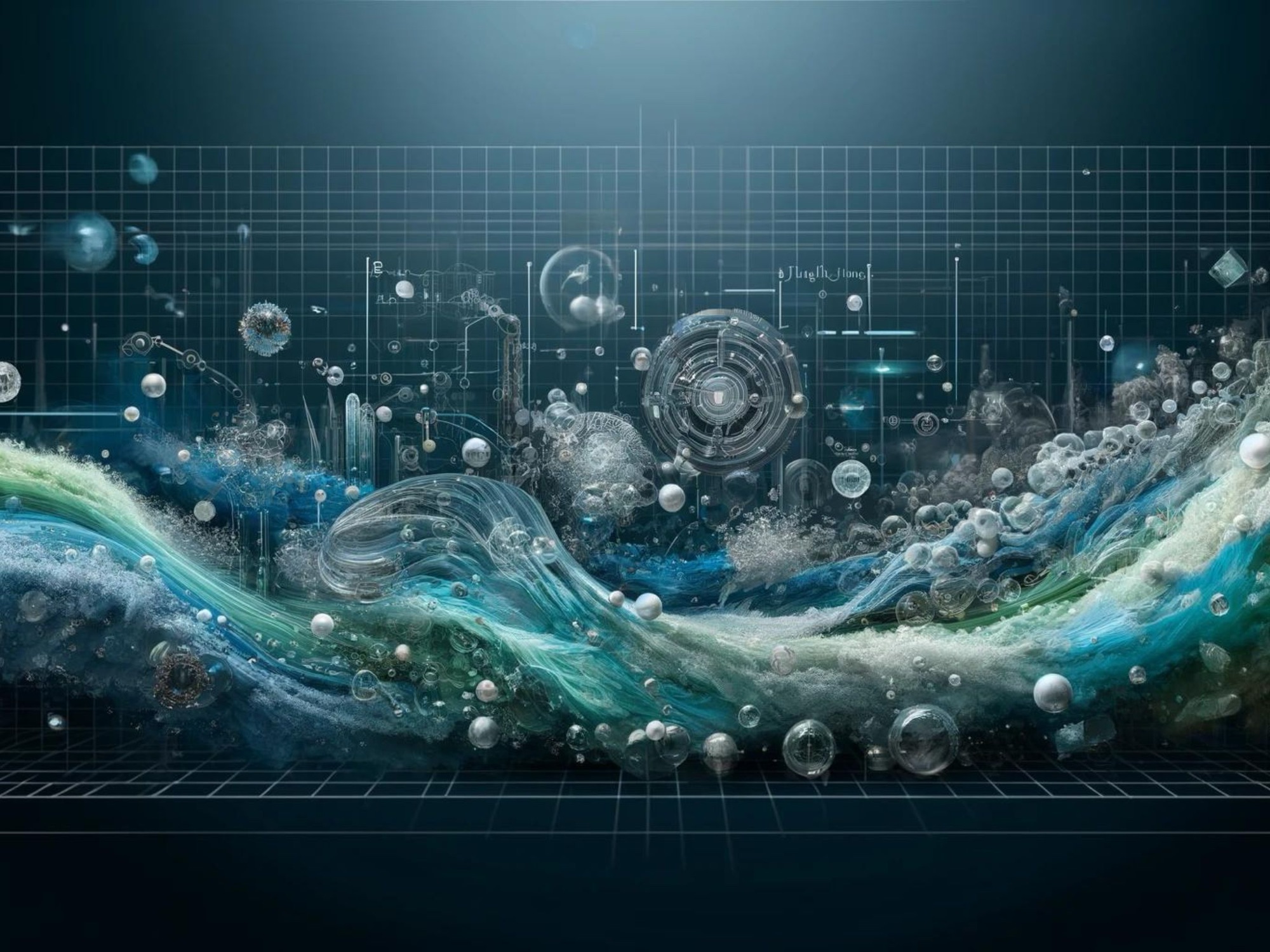

In a groundbreaking study, researchers have introduced hydrothermal biochar into Fe2+-mediated biochar-assisted water electrolysis (BAWE) for the first time, achieving remarkable improvements in hydrogen production efficiency. This method utilizes excess renewable energy to address the high energy costs associated with traditional hydrogen production through water electrolysis.
The study meticulously examined the effects of pickling on biochars, enhancing their performance in BAWE. Pickling, a pretreatment method, was found to significantly boost the oxidation current density, particularly for hydrothermal biochars, which reached up to 180 mA/cm2 at an anode voltage of 1.2 V vs. MSE. This increase is pivotal as it represents a substantial improvement over previous methods, primarily by modifying the biochar’s physicochemical properties.
The research highlighted the crucial role of specific surface area and microporous structure in improving electrolytic performance. It was observed that an increase in surface area and pore density, especially through further activation with KOH, leads to an enhanced oxidation current. This enhancement is crucial for the BAWE process where hydrothermal biochars are employed.
Moreover, the study provided new insights into the negative impacts of certain oxygen-containing functional groups. It was discovered that while –OH and C=O groups are beneficial, C–O groups derived from acid anhydride and ether negatively affect the BAWE process.
This work not only opens new avenues for using biochar in water electrolysis but also sets a foundational understanding of how various treatments can optimize biochar for better performance. By systematically exploring the interaction of Fe2+ with different biochars, this research moves us closer to a more efficient, sustainable method of hydrogen production, harnessing the dual benefits of renewable energy integration and biomassBiomass is a complex biological organic or non-organic solid product derived from living or recently living organism and available naturally. Various types of wastes such as animal manure, waste paper, sludge and many industrial wastes are also treated as biomass because like natural biomass these More waste utilization.



Leave a Reply