
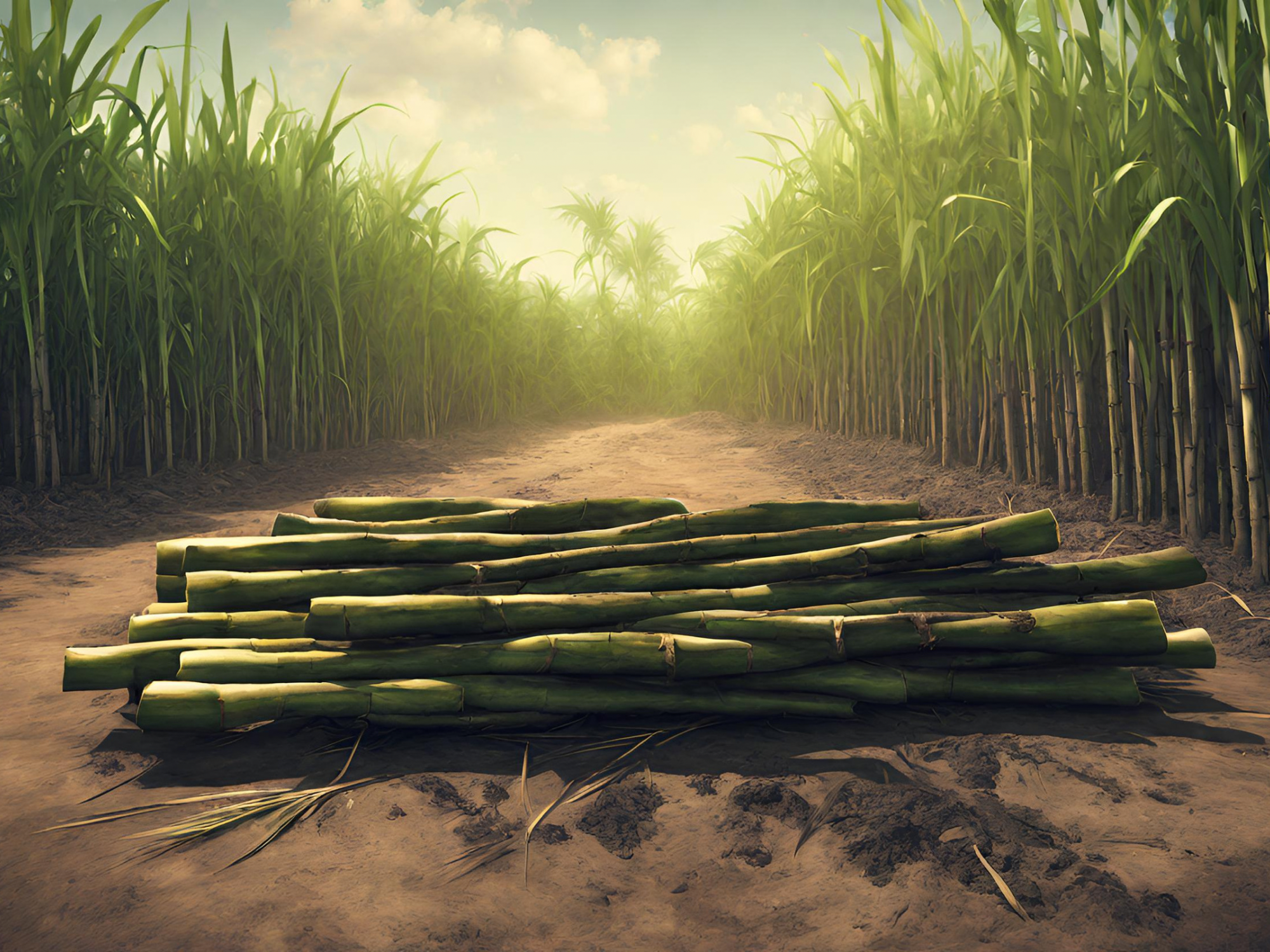

Agro-industrial waste, specifically sugarcane bagasse, has been transformed into a valuable bio-resource through the synthesis of activated biochar. Utilizing microwave pyrolysisPyrolysis is a thermochemical process that converts waste biomass into bio-char, bio-oil, and pyro-gas. It offers significant advantages in waste valorization, turning low-value materials into economically valuable resources. Its versatility allows for tailored products based on operational conditions, presenting itself as a cost-effective and efficient More with H2SO4 chemical treatment, researchers optimized conditions to produce activated biochar with an impressive 278 m2/g BET surface area. This carbon material displayed a pure structure, laying the foundation for a groundbreaking electrochemical sensor.
Employing a drop-casting method, the sugarcane bagasse-activated biochar electrochemical sensor exhibited remarkable electrocatalytic properties for paracetamol detection. Compared to a bare electrode, it demonstrated a 71% reduction in charge transfer resistance and a striking 96% increase in electrocatalytic activity based on cyclic voltammetry curves. These findings suggest higher electron transfer kinetics in the modified glassy carbon electrode (GCE).
The electrochemical sensor proved its mettle with a linear range of paracetamol current responses, showcasing considerable sensitivity. The sensor achieved a low limit of detection at 2.5 µM, indicating its efficacy in detecting minute concentrations of paracetamol. The modified GCE’s promising performance positions it as a reliable tool for real sample analysis, opening avenues for practical applications in pharmaceutical and environmental fields.
In conclusion, this study not only transforms agro-industrial waste into a valuable resource but also demonstrates the potential of sugarcane bagasse-activated biochar for advancing electrochemical sensing technologies, particularly in the detection of pharmaceutical compounds like paracetamol.






Leave a Reply