
Ahmad, et al (2024) Innovations in metal oxides-biochar nanoparticles for dye removal. Nano-Structures & Nano-Objects. https://doi.org/10.1016/j.nanoso.2024.101269
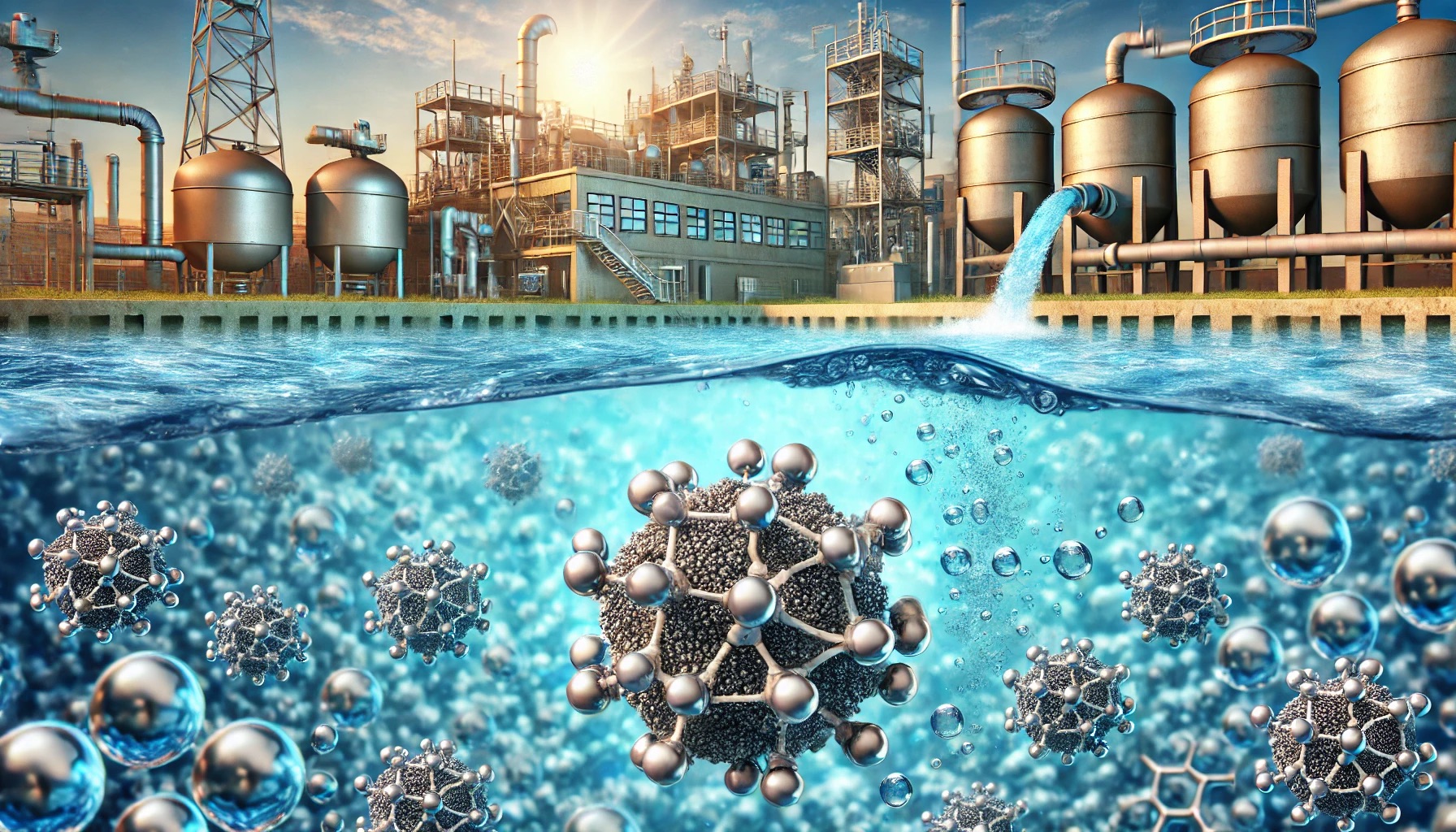
Recent research highlights the potential of metal oxide-biochar nanoparticles for efficiently removing dyes from wastewater. Traditional methods often fall short in addressing dye pollution, which poses significant environmental and health risks. The study reveals that these nanoparticles not only enhance dye removal but also do so sustainably.
The synthesis of metal oxide-biochar nanoparticles involves various methods like hydrothermal synthesis and sol-gel processes. These methods combine the unique properties of metal oxides and biocharBiochar is a carbon-rich material created from biomass decomposition in low-oxygen conditions. It has important applications in environmental remediation, soil improvement, agriculture, carbon sequestration, energy storage, and sustainable materials, promoting efficiency and reducing waste in various contexts while addressing climate change challenges. More, resulting in materials with improved adsorption and photocatalytic capabilities. The synergy between the metal oxides and biochar enhances their ability to capture and break down dye molecules, making the process more effective.
One of the standout features of these nanoparticles is their environmental sustainability. Biochar is a renewable material, and its use alongside metal oxides contributes to greener dye removal solutions. The nanoparticles are versatile, effectively tackling different types of dyes and various wastewater compositions, which underscores their broad applicability.
The ongoing advancements in the synthesis and characterization of these nanoparticles are driving innovation in dye removal technologies. Researchers continue to explore their mechanisms, focusing on how surface functional groups, pore structures, and electron transfer processes aid in dye adsorption and degradation.
This review emphasizes the importance of further research to standardize synthesis protocols and explore the environmental impacts of these nanoparticles. As the field progresses, metal oxide-biochar nanoparticles could play a crucial role in addressing global water pollution challenges, offering a promising solution for cleaner and safer water.




Leave a Reply