
Chen, et al (2024) BiocharBiochar is a carbon-rich material created from biomass decomposition in low-oxygen conditions. It has important applications in environmental remediation, soil improvement, agriculture, carbon sequestration, energy storage, and sustainable materials, promoting efficiency and reducing waste in various contexts while addressing climate change challenges. More application enhances soil quality by improving soil physical structure under particular water and salt conditions in arid region of Northwest China. Journal of Integrative Agriculture. https://doi.org/10.1016/j.jia.2024.12.014
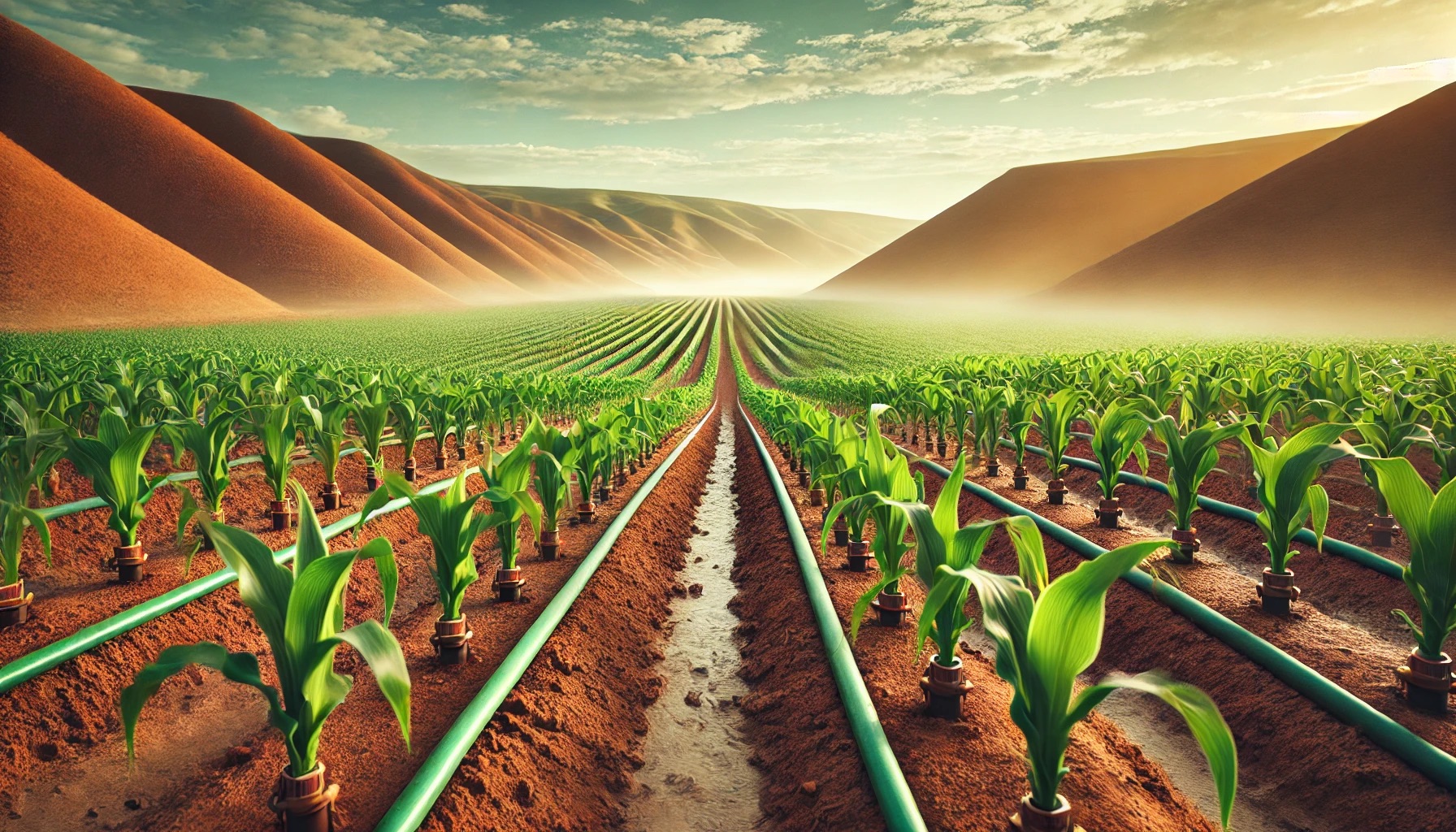
Soil quality is a critical factor for agriculture, particularly in the arid regions of Northwest China, where water scarcity and salinity challenge productivity. A recent study explores the role of biochar in enhancing soil health under these conditions.
The research focused on a two-year field experiment in Gansu Province, assessing the effects of biochar application on soil physical, chemical, and biological properties. It tested eight combinations of irrigation levels (full and deficit), water salinity (fresh and brackish), and biochar application rates.
Key findings include:
• Biochar benefits soil structure: Adding biochar (60 tons/ha) under full irrigation improved soil aggregation and porosityPorosity of biochar is a key factor in its effectiveness as a soil amendment and its ability to retain water and nutrients. Biochar’s porosity is influenced by feedstock type and pyrolysis temperature, and it plays a crucial role in microbial activity and overall soil health. Biochar More, which are essential for water and nutrient retention.
• Mitigation of salinity effects: Biochar reduced soil salinity under full irrigation with brackish water, supporting crop growth.
• Soil bacterial changes: While biochar did not significantly increase bacterial diversity, it boosted beneficial bacterial populations like Proteobacteria, which aid nutrient cycling.
• Limitations under deficit irrigation: Biochar had minimal impact on soil structure and quality when water supply was halved, highlighting the need for adequate irrigation to maximize its benefits.
The study concludes that biochar can effectively enhance soil quality under full irrigation, especially with brackish water. However, its impact is limited in water-deficient scenarios. These findings provide insights for sustainable soil management and highlight the importance of tailored water-biochar strategies to optimize agricultural outcomes in arid areas.




Leave a Reply