
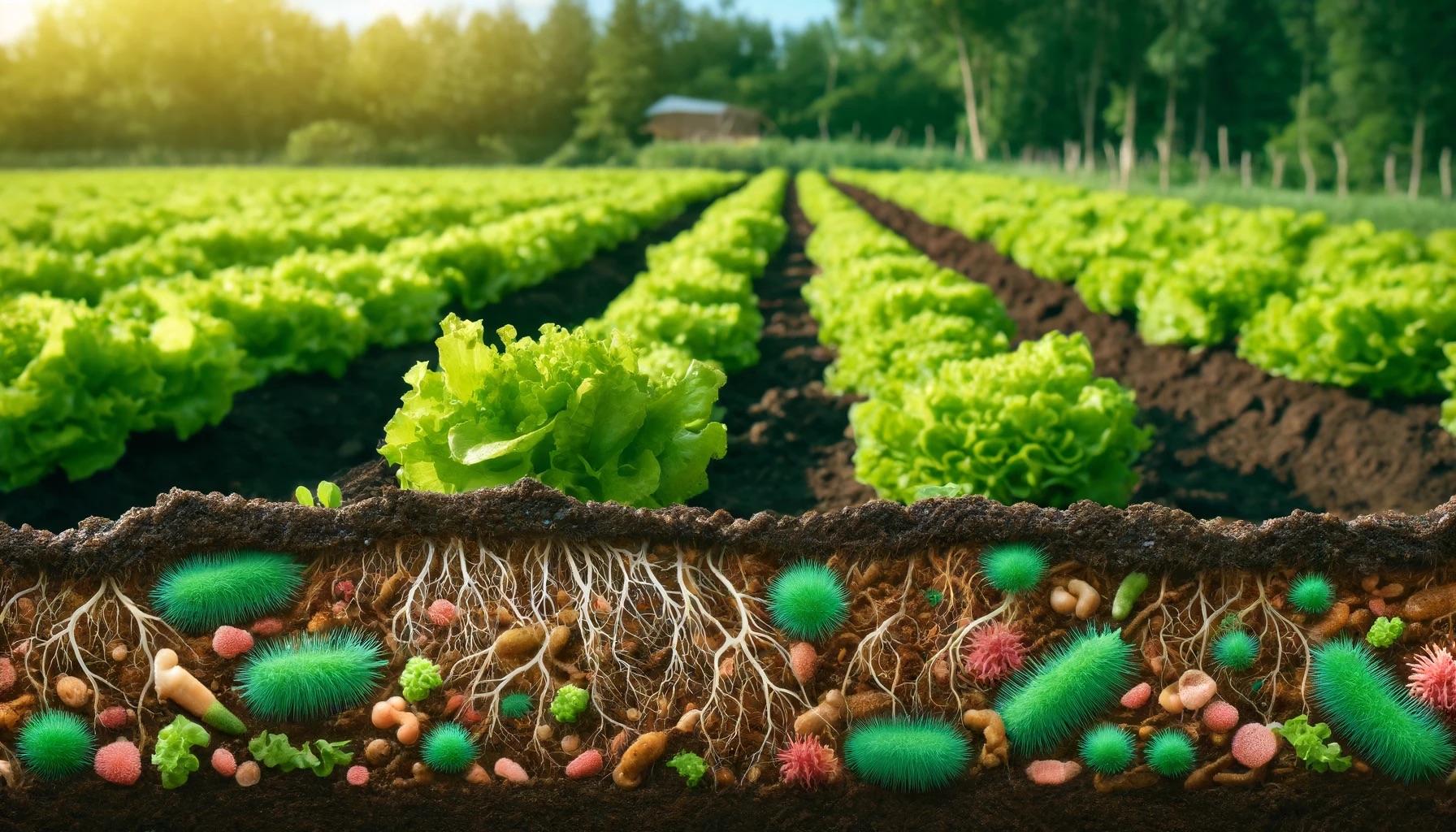

Recent research explored the impact of nano and bulk-biochar compost mixtures on soil health and crop safety in cadmium (Cd)-contaminated soils. The study focused on lettuce grown in such soils, comparing the effects of nano-biochar compost mixtures (nano-BCCM) with bulk-biochar compost mixtures (bulk-BCCM).
The findings demonstrated that nano-BCCM significantly reduced Cd levels in lettuce and the soil, outperforming bulk-BCCM. Both treatments altered the composition of root-associated bacterial communities and enhanced rhizosphere functions related to nutrient cycling. However, nano-BCCM showed greater potential in promoting microbial biodiversity and maintaining overall soil health.
The study employed advanced techniques like Illumina Miseq sequencing and qPCR to assess bacterial communities in various root-associated niches, including bulk soil, rhizosphere, rhizoplane, and endosphere. Results indicated that nano-BCCM not only lowered Cd uptake in lettuce but also enriched microbial diversity, particularly keystone species crucial for soil health.
These findings suggest that nano-BCCM can be a superior strategy for enhancing microbial functions, maintaining soil health, and ensuring crop production safety in Cd-contaminated soils compared to bulk-BCCM. This research highlights the potential of nano-biochar compost mixtures as an effective and sustainable solution for managing heavy metal contamination in agricultural soils, ensuring safer food production and healthier soil ecosystems.



Leave a Reply