
Mu, et al (2024) The Effects of the Combined Application of BiocharBiochar is a carbon-rich material created from biomass decomposition in low-oxygen conditions. It has important applications in environmental remediation, soil improvement, agriculture, carbon sequestration, energy storage, and sustainable materials, promoting efficiency and reducing waste in various contexts while addressing climate change challenges. More and Phosphogypsum on the Physicochemical Properties of Cd-Contaminated Soil and the Yield Quality of Chinese Cabbage. Agriculture. https://doi.org/10.3390/agriculture14111865
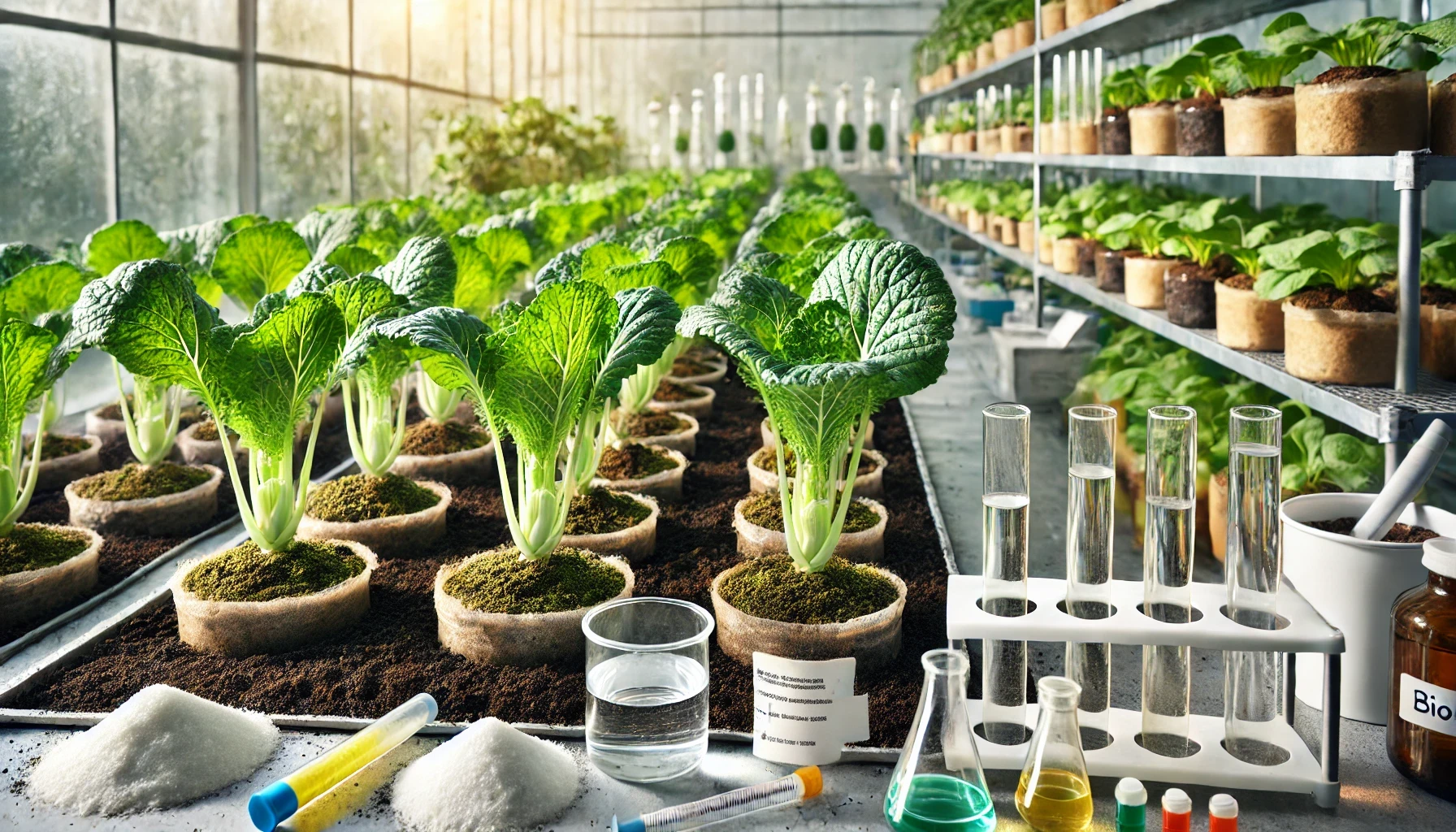
Heavy metal contamination, particularly cadmium (Cd) in soils, poses risks to agricultural productivity and human health. In a recent study, researchers explored how the combined application of biochar and phosphogypsum could improve soil conditions and reduce Cd uptake in crops. The study focused on Chinese cabbage grown in Cd-contaminated soils and evaluated how these soil amendments impacted soil quality, Cd levels, and crop yield and quality.
Biochar, produced from corn straw, was combined with phosphogypsum, a by-product of phosphate fertilizer production, in a series of potting experiments. Researchers found that applying 3000 kg/hm² of biochar with 3000 kg/hm² of phosphogypsum (the T3 treatment) had the most significant benefits. This treatment improved soil pHpH is a measure of how acidic or alkaline a substance is. A pH of 7 is neutral, while lower pH values indicate acidity and higher values indicate alkalinity. Biochars are normally alkaline and can influence soil pH, often increasing it, which can be beneficial More by increasing alkalinity, which helps immobilize cadmium, reducing its availability for plant uptake. It also enhanced soil nutrient content, increasing levels of essential nutrients like nitrogen, phosphorus, and potassium.
The T3 treatment led to a 49.35% reduction in Cd concentration in the edible parts of Chinese cabbage compared to untreated controls, while also improving yield by 31.86%. Nutritional quality was enhanced as well, with notable increases in vitamin C, chlorophyll, and soluble sugars in the cabbage.
This research suggests that biochar and phosphogypsum, when applied at optimal levels, can mitigate heavy metal contamination in soils, enhancing crop safety and productivity. These findings contribute valuable insights into sustainable practices for contaminated farmland management.



Leave a Reply