
Jiao, et al (2024) Effects of biocharBiochar is a carbon-rich material created from biomass decomposition in low-oxygen conditions. It has important applications in environmental remediation, soil improvement, agriculture, carbon sequestration, energy storage, and sustainable materials, promoting efficiency and reducing waste in various contexts while addressing climate change challenges. More addition on soil fauna communities—A meta-analysis. Soil Use and Management. https://doi.org/10.1111/sum.13096
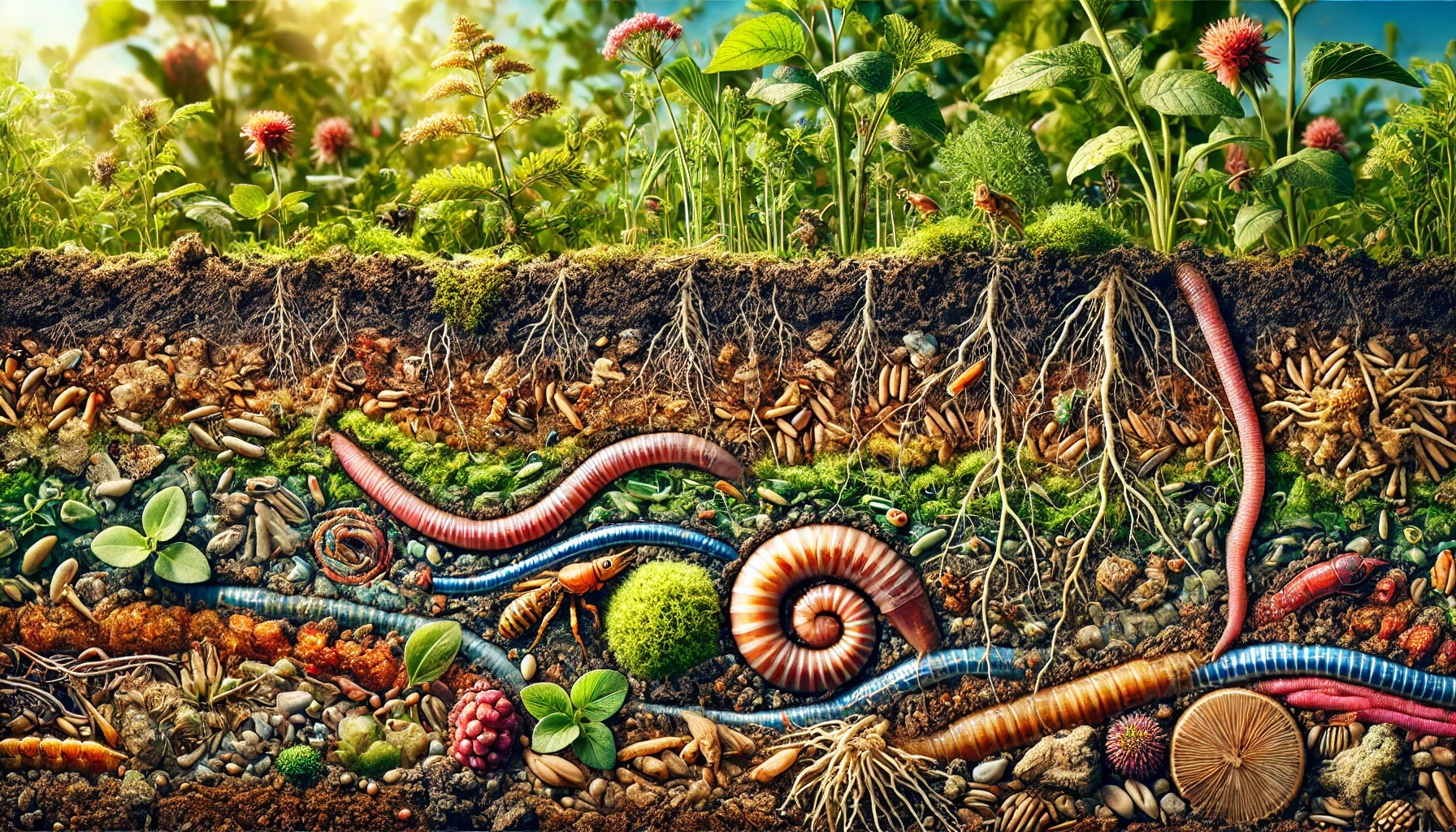
Soil fauna plays a critical role in global biodiversity and is essential for ecosystem function, particularly in maintaining soil fertility and agricultural productivity. Soil microbial communities, in particular, significantly influence soil health. However, the effects of biochar—a highly porous organic carbon material—on soil fauna and microbial communities remain unclear. To address this gap, a recent meta-analysis examined the impact of biochar on the abundance and diversity of soil fauna across different environments, analyzing data from 24 studies and 459 observations.
The findings revealed that biochar generally had a neutral effect on soil fauna communities, with no significant overall impact on their abundance or diversity. However, certain factors, such as biochar pHpH is a measure of how acidic or alkaline a substance is. A pH of 7 is neutral, while lower pH values indicate acidity and higher values indicate alkalinity. Biochars are normally alkaline and can influence soil pH, often increasing it, which can be beneficial More, pyrolysisPyrolysis is a thermochemical process that converts waste biomass into bio-char, bio-oil, and pyro-gas. It offers significant advantages in waste valorization, turning low-value materials into economically valuable resources. Its versatility allows for tailored products based on operational conditions, presenting itself as a cost-effective and efficient More method, and the size of soil animals, influenced responses. For instance, biochar with higher pH and conventional pyrolysis methods showed some beneficial, though not statistically significant, effects on soil fauna. Medium-sized animals, in particular, exhibited the most positive response to biochar addition, while animals with exoskeletons responded favorably, and those without exoskeletons tended to show unfavorable reactions.
This study provides valuable data on how soil fauna may evolve in response to biochar amendments and offers insights for evaluating the environmental and biological impacts of biochar use in soil management. The findings highlight the need for further research to fully understand the complex interactions between biochar, soil fauna, and microbial communities.



Leave a Reply