
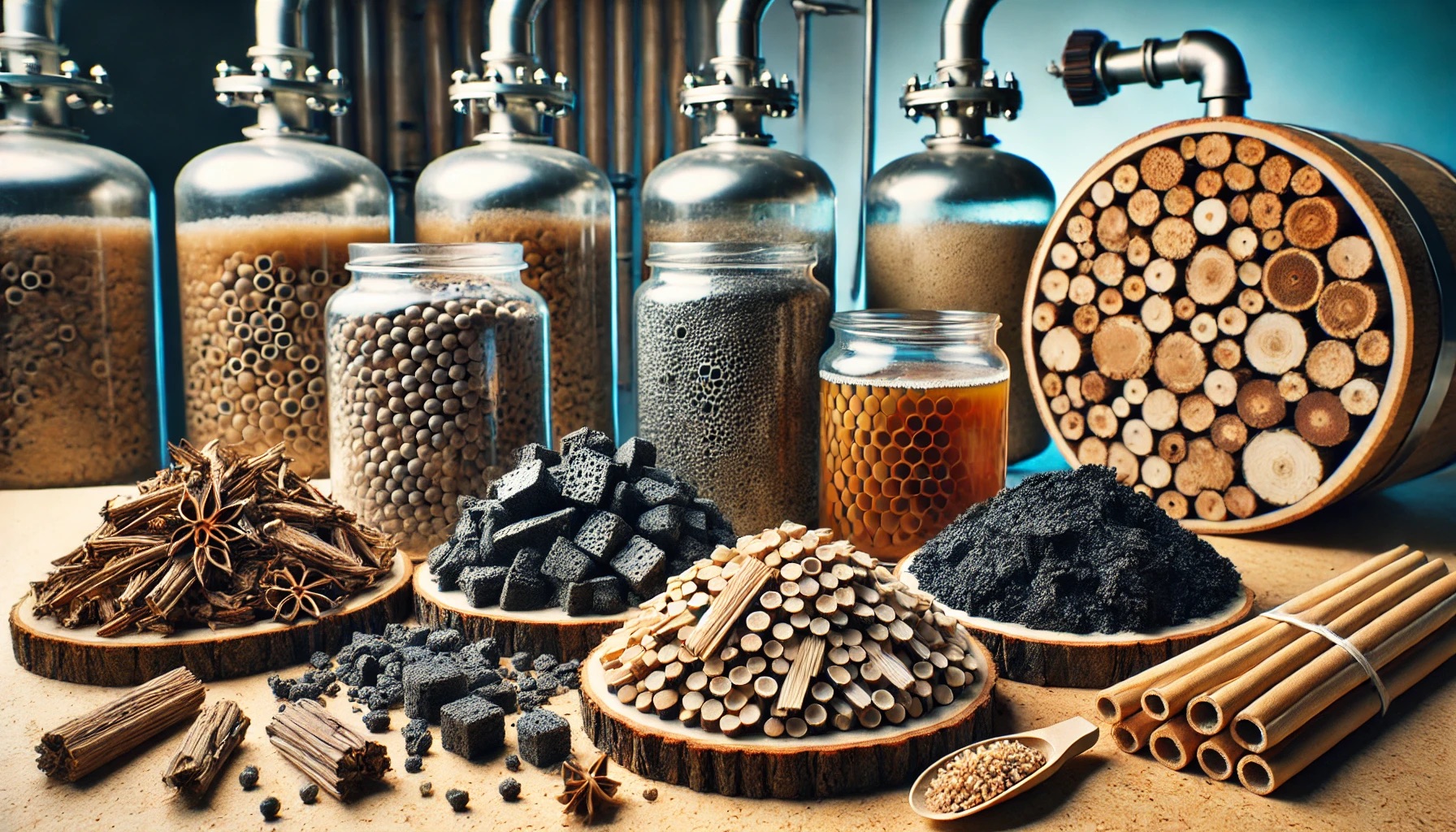

A recent study published in Renewable Energy explores the role of biochar in the anaerobic digestion (AD) process, focusing on how pyrolysisPyrolysis is a thermochemical process that converts waste biomass into bio-char, bio-oil, and pyro-gas. It offers significant advantages in waste valorization, turning low-value materials into economically valuable resources. Its versatility allows for tailored products based on operational conditions, presenting itself as a cost-effective and efficient More conditions influence biochar’s properties and its effects on biogas production. Biochar, a carbon-rich material derived from biomassBiomass is a complex biological organic or non-organic solid product derived from living or recently living organism and available naturally. Various types of wastes such as animal manure, waste paper, sludge and many industrial wastes are also treated as biomass because like natural biomass these More, was produced from feedstocks like cedar wood, wheat straw, and sewage sludge at temperatures between 400 and 950°C. The study tested these biochars during the digestion of cellulose, a model organic substrate.
Results show that higher pyrolysis temperatures produce biochar with larger surface areas and higher electrical conductivity. Despite enhancing the abundance of methane-producing microbes, most biochars did not significantly improve methane yield. However, biochar produced at lower temperatures (400°C) under incomplete oxygen conditions boosted methane production by 40%. In contrast, high-temperature-treated wood-based biochar reduced methane yield by 52%, indicating the complex influence of pyrolysis conditions.
The study highlights that while biochar’s role in enhancing methane production is linked to its biodegradability and surface properties, its addition doesn’t guarantee increased methane yield unless it acts as a co-substrate. These findings suggest that further research is needed to fully understand the relationship between biochar properties, microbial activity, and methane production in anaerobic digestion.
This research contributes to ongoing efforts to improve biogas production, supporting renewable energy generation and waste management in the context of a circular bioeconomy.



Leave a Reply