


A study published in the Journal of Environmental Chemical Engineering (Dec 2024) explores the potential of hydroxyapatite self-doped biochar (MFB), modified with magnesium oxide (MgO), to address heavy metal contamination in soils. Using fish scales as the base material, the biochar was developed to immobilize copper (Cu), cadmium (Cd), and lead (Pb), and enhance soil health.
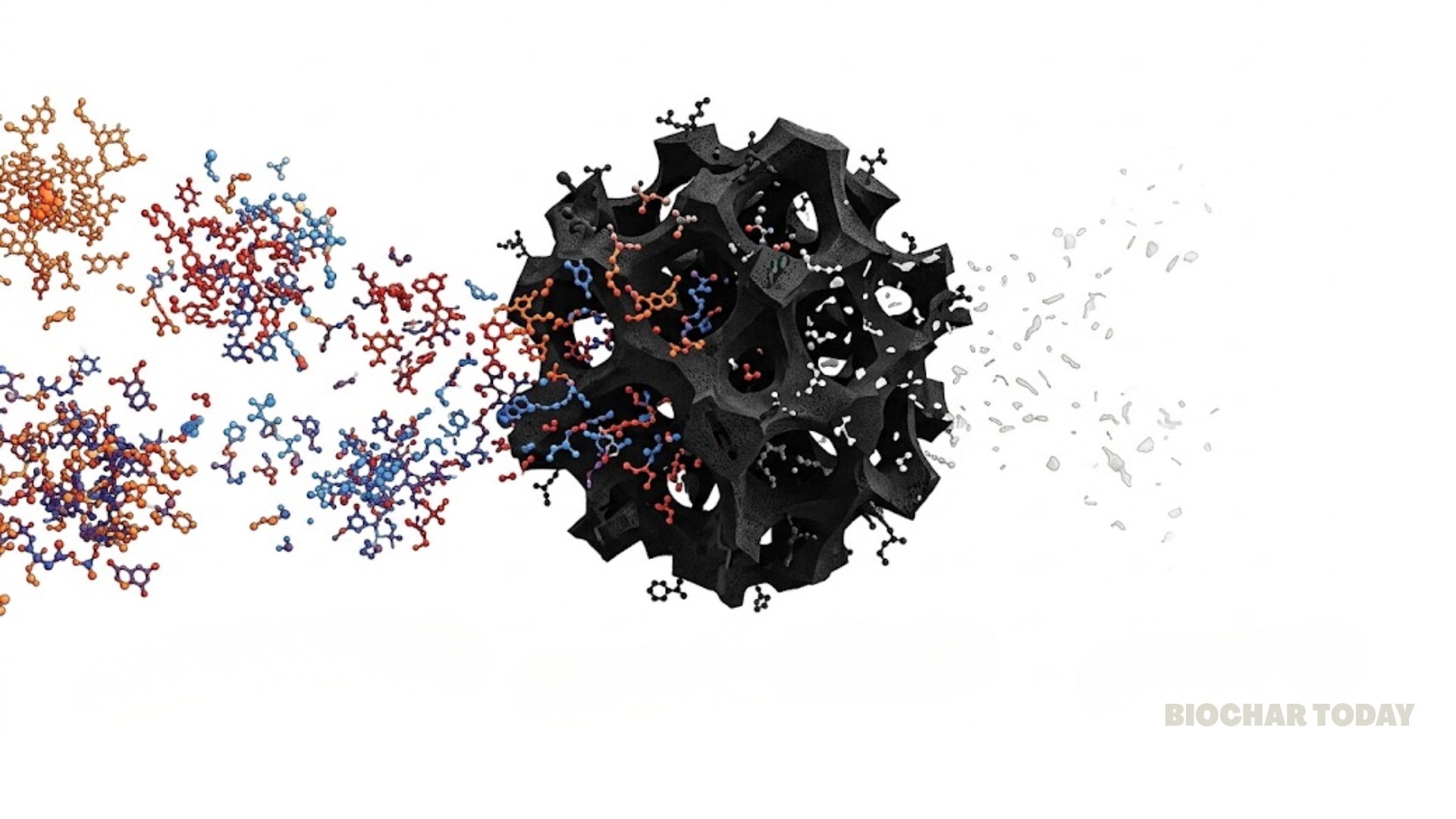
The researchers demonstrated that the MgO-modified biochar significantly reduced the bioavailability of these heavy metals in soil. Specifically, Cu, Cd, and Pb availability decreased by 69.1%, 63.5%, and 53.7%, respectively. The biochar achieved this through mechanisms like dissolution-precipitation and ion-exchange, which stabilize the metals and reduce their environmental impact.
Beyond heavy metal immobilization, the biochar improved soil properties by increasing organic carbon content and available phosphorus, as well as boosting enzyme activities essential to nutrient cycling (C, N, P). Additionally, it altered the bacterial community structure, enhancing the complexity and stability of microbial networks. This increased the positive interactions between bacterial species, contributing to improved soil ecological functions.
The study suggests that MgO-loaded biochar holds great promise for the sustainable remediation of heavy metal-contaminated soils, providing a cost-effective solution that also enhances soil fertility and microbial diversity.

Leave a Reply