
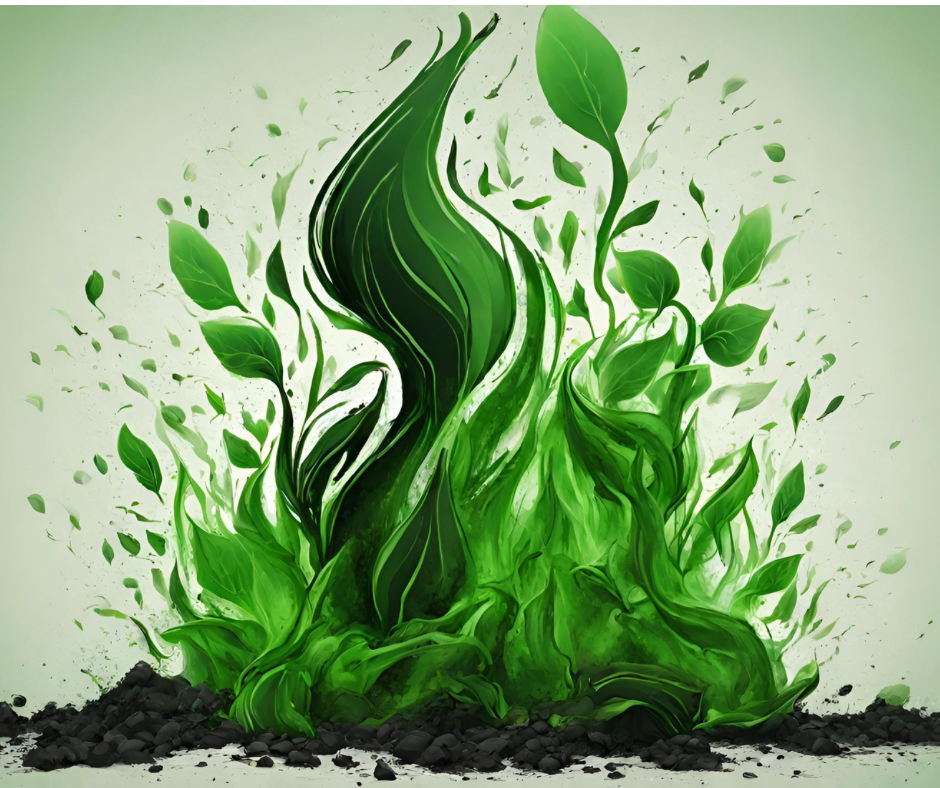

In this study, researchers delve into the potential of oxidative pyrolysis as an energy-efficient method for treating a substantial volume of biosolid waste. The investigation involves oxidative pyrolysis of biosolids, examining pyrolysis kinetics and the qualities of biochar produced under varying conditions. Three heating rates and different air concentrations are employed during the process. The kinetic triplet, comprising the kinetic model, activation energy, and frequency factor, is determined through thermogravimetric analysis.
Interestingly, the study reveals a consistent average activation energy for water evaporation and decomposition of hydrated compounds, regardless of air concentration. However, as the oxidative pyrolysis progresses at higher air concentrations, both activation energy and frequency factor decrease. The specific surface area of the biochar derived from biosolids also experiences a decline with increasing air concentration, highlighting the importance of optimal conditions.
Crucially, the research identifies that air concentrations below 12.5% are ideal for producing oxidized biochar without substantial energy consumption. This information is invaluable for establishing energy-efficient large-scale pyrolysis facilities. By shedding light on the pyrolysis kinetics and thermal decomposition behavior of biosolids under different conditions, this study contributes to the development of sustainable waste treatment methods.


Leave a Reply