
Sufian, et al (2024) Investigating the Effect of Activated Chlorella vulgaris Algae BiocharBiochar is a carbon-rich material created from biomass decomposition in low-oxygen conditions. It has important applications in environmental remediation, soil improvement, agriculture, carbon sequestration, energy storage, and sustainable materials, promoting efficiency and reducing waste in various contexts while addressing climate change challenges. More and Hydrochar on the Distribution and Bioavailability of Cadmium in Soil. Iranian Journal of Soil and Water Research. https://doi.org/10.22059/ijswr.2024.379955.669765
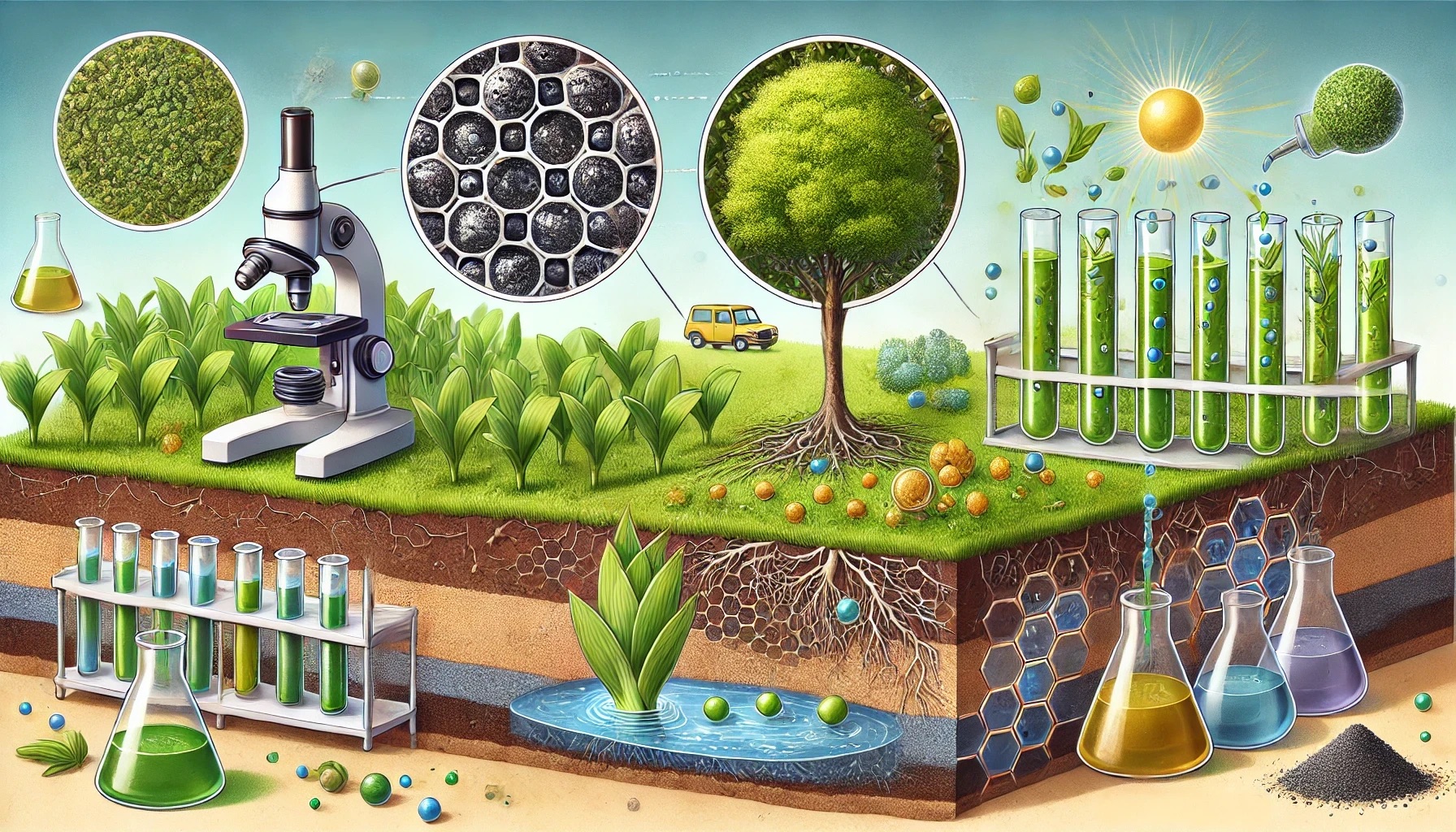
Cadmium contamination in soil poses severe environmental and health risks, affecting food security and ecosystems. A recent study examined the effects of biochar and hydrochar derived from Chlorella vulgaris algae on the bioavailability and distribution of cadmium in contaminated soils. Both biochar and hydrochar were produced and activated using potassium hydroxide, and their effectiveness was tested at different cadmium concentrations (50 and 100 mg/kg).
The study found that adding biochar and hydrochar at 1% by weight reduced exchangeable cadmium in the soil by up to 45%. This reduction was attributed to the high specific surface area of biochar, which offers numerous adsorption sites for cadmium ions. Furthermore, the porous structure of these amendments improved soil conditions, enhancing microbial activity and helping to immobilize cadmium. The research also showed that biochar and hydrochar increased cadmium content in less mobile forms, specifically those bound to iron and manganese oxides.
These findings suggest that biochar and hydrochar can play a significant role in reducing cadmium mobility, making it less bioavailable and, therefore, less harmful. By applying these soil amendments, cadmium contamination can be managed more sustainably, protecting crops and supporting healthier agricultural practices. The study highlights the potential for biochar and hydrochar to be effective tools in mitigating heavy metal pollution in soils, contributing to long-term environmental sustainability.




Leave a Reply