
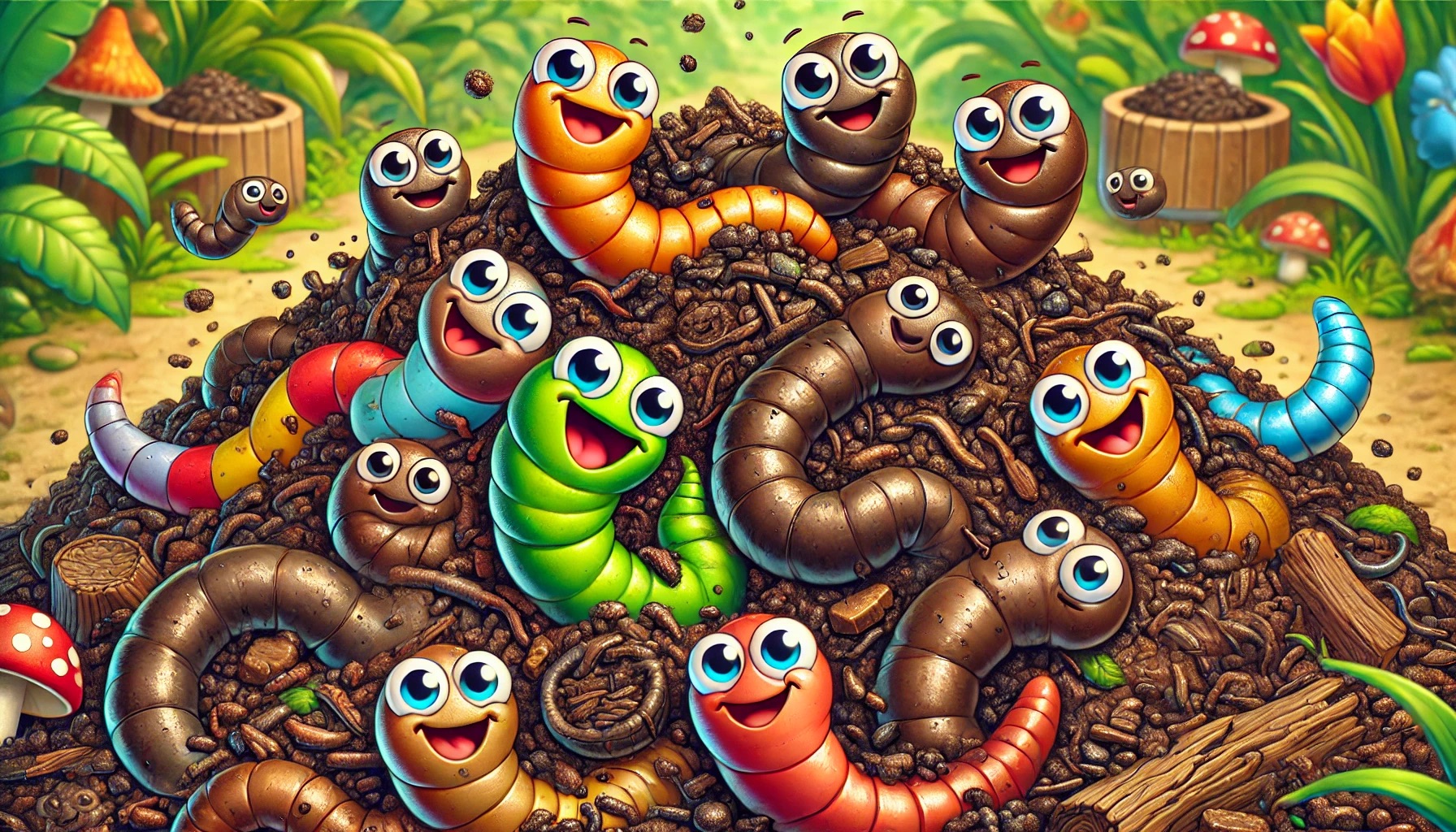

A recent review in Science of The Total Environment delves into the complex interactions between biochar and earthworms, highlighting both the benefits and potential risks of using these two agents together in soil management. Biochar, a carbon-rich material derived from biomassBiomass is a complex biological organic or non-organic solid product derived from living or recently living organism and available naturally. Various types of wastes such as animal manure, waste paper, sludge and many industrial wastes are also treated as biomass because like natural biomass these More, is praised for its ability to improve soil health and reduce pollution. However, its impact on earthworms—key indicators of soil quality—remains uncertain.
The review underscores that the response of earthworms to biochar varies depending on factors such as the source of biochar, the temperature at which it was produced, and the quantity used. While biochar can sometimes mitigate pollution and enhance soil fertility, it can also introduce toxic substances that negatively affect earthworms. Moreover, the study reveals that earthworms play a significant role in the distribution and transformation of biochar within the soil, which can either stabilize or degrade biochar’s effectiveness.
The interaction between biochar and earthworms is complex. While they can work together to improve soil conditions, their effects on soil carbon sequestration and heavy metal immobilization can be antagonistic. The review calls for careful consideration of these factors when applying biochar to ensure that it enhances, rather than harms, soil ecosystems. This study highlights the need for more research to fully understand the environmental risks and benefits of biochar, particularly when used in conjunction with earthworms.



Leave a Reply