


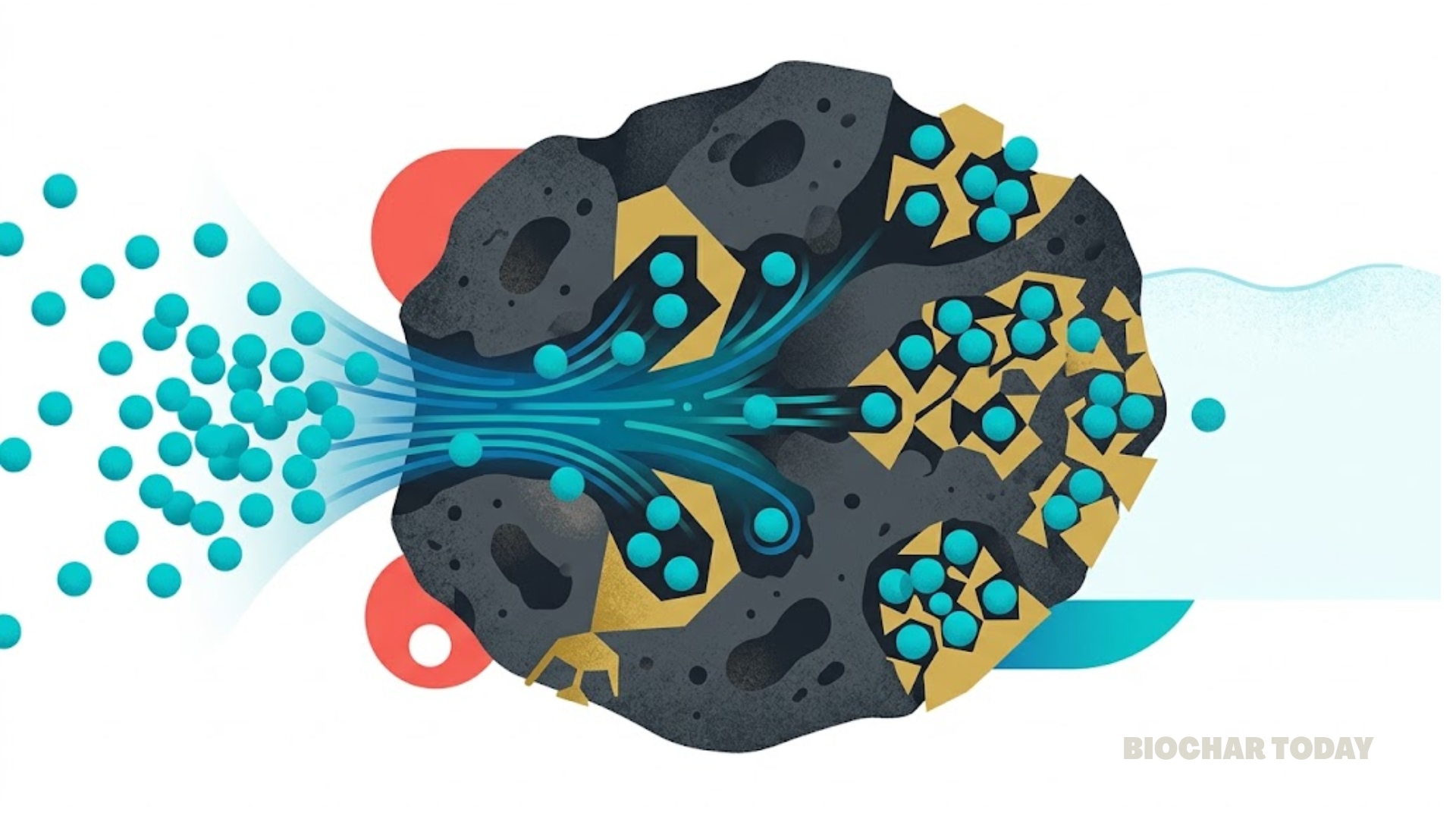
A recent study has developed MgO-modified biochars to effectively remove dissolved humus from wastewater, a significant step forward in environmental management. These biochars are enhanced with magnesium oxide (MgO), which is primarily deposited on their surface, increasing their adsorption capacity significantly. This modification allows the biochars to target and adsorb dissolved humus selectively, addressing the environmental challenge posed by natural organic matter in water sources.
Dissolved humus, consisting primarily of humic and fulvic acids, contributes to water pollution by affecting the taste and color of water and interacting with disinfectants to form carcinogenic byproducts. Traditional removal techniques include membrane treatment and advanced oxidation, but adsorption has proven to be an efficient and economical alternative. Studies have shown that MgO-enhanced biochar not only has superior adsorption abilities but also demonstrates high selectivity in removing low concentrations of dissolved humus.
The research highlighted that the interaction between dissolved humus and the MgO-modified biochar is endothermic, with the biochar’s maximum adsorption capacity reaching 52.47 mg total organic carbon/g at 25°C. This capacity is indicative of the potent effects of Mg content on the biochar’s performance.
Furthermore, addressing the post-adsorption use of biochars, the study investigated their application as fertilizers. The results were promising: these biochars improved plant root growth significantly. This dual-purpose use of MgO-modified biochars not only mitigates water pollution but also enhances agricultural productivity by improving soil fertility.
This innovative approach not only offers a viable solution to managing dissolved humus in wastewater but also contributes to sustainable agricultural practices by recycling the spent adsorbents as beneficial soil amendments. The study paves the way for the use of biochar in environmental cleanup and agricultural enhancement, offering a strategic approach to resource management and food security. This research is a pioneering example of integrating water treatment processes with agricultural development, demonstrating the multifunctional use of MgO-modified biochar.



Leave a Reply