
Dang, et al (2024) Metagenomes, metagenome-assembled genomes, andmetatranscriptomes from a chlorinated ethene-dechlorinating
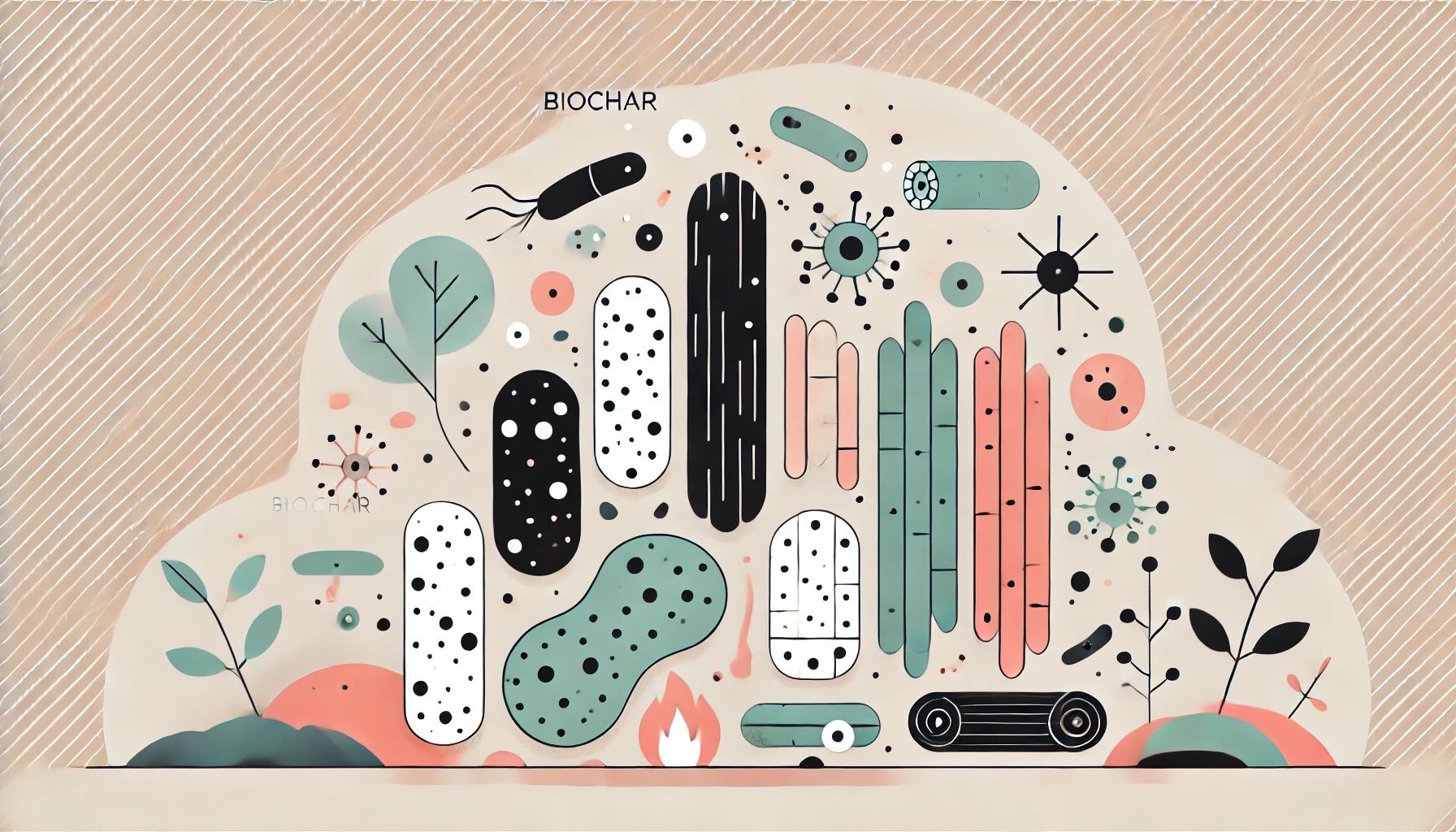
culture amended with biocharBiochar is a carbon-rich material created from biomass decomposition in low-oxygen conditions. It has important applications in environmental remediation, soil improvement, agriculture, carbon sequestration, energy storage, and sustainable materials, promoting efficiency and reducing waste in various contexts while addressing climate change challenges. More pyrolyzed at different temperatures. Microbiology Resource Announcements. https://journals.asm.org/doi/pdf/10.1128/mra.00104-24
Researchers recently investigated the effects of biochar on microbial communities responsible for degrading chlorinated ethenes, harmful environmental pollutants. Biochar, produced through the pyrolysisPyrolysis is a thermochemical process that converts waste biomass into bio-char, bio-oil, and pyro-gas. It offers significant advantages in waste valorization, turning low-value materials into economically valuable resources. Its versatility allows for tailored products based on operational conditions, presenting itself as a cost-effective and efficient More of organic material at different temperatures (350°C, 500°C, 700°C, and 900°C), was added to an anaerobic consortium known as SDC-9, which is effective at breaking down chlorinated compounds.
The study focused on understanding how the physical and chemical properties of biochar, influenced by pyrolysis temperature, affect microbial activity, growth, and interactions. Researchers sequenced the DNA and RNA from the biochar-attached and free-floating cells in the cultures. This analysis resulted in the identification of 122 metagenome-assembled genomes (MAGs) and 18 metatranscriptomes, which provided a detailed picture of the microbial community structure and function.
The findings revealed that different biochar types significantly influenced the microbial communities, especially regarding their electron transfer capabilities and habitat suitability. The detailed sequencing data, including the identification of a key species, Dehalococcoides mccartyi, offer valuable insights into the potential of biochar to enhance the biodegradation of chlorinated ethenes.
This research not only deepens our understanding of microbial interactions with biochar but also highlights its potential in bioremediation strategies, paving the way for more effective environmental cleanup methods. The data generated will contribute to the broader field of environmental microbiology and bioaugmentation practices.



Leave a Reply