


Evaluating the Influences of Seasonal water hydrochemistry variations and Biochar-Assisted heavy metal Removal in Delhi’s urban Wetlands: Implications for management Strategies. Environmental Nanotechnology, Monitoring & Management. https://doi.org/10.1016/j.enmm.2024.101025
Urban wetlands are vital ecosystems, often referred to as the “kidneys of the Earth” for their role in water purification, biodiversity support, and flood control. However, Delhi’s wetlands are under pressure from urbanization, pollution, and land-use changes. A recent study examined the water quality of five key urban wetlands—Hauz Khas Lake (HZL), Sanjay Lake (SL), Bhalswa Lake (BL), Vasant Kunj Lake (VKL), and Sanjay Van Lake (SVL)—during winter and summer of 2023.
Researchers analyzed 200 water samples for 24 chemical parameters, comparing results against standards for drinking, irrigation, and industrial use. Findings showed that all wetlands exceeded permissible limits for heavy metals like cadmium, chromium, nickel, and lead, as well as fluoride contamination. BL, in particular, was deemed unsuitable for irrigation in both seasons. Industrial assessments revealed high corrosivity in all wetlands, while alkaline pHpH is a measure of how acidic or alkaline a substance is. A pH of 7 is neutral, while lower pH values indicate acidity and higher values indicate alkalinity. Biochars are normally alkaline and can influence soil pH, often increasing it, which can be beneficial More levels (7.2–9.9) were consistent across sites.
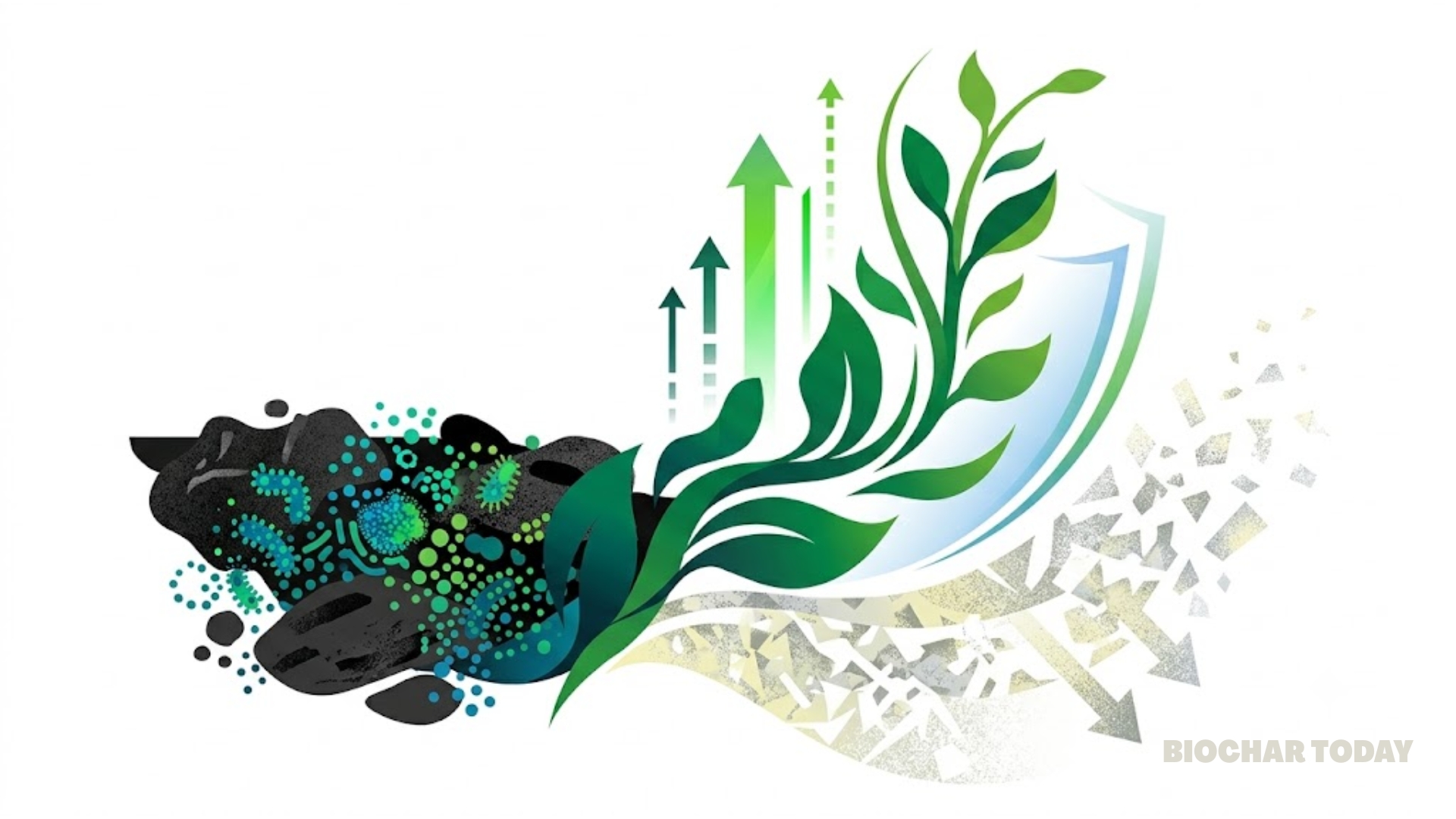
To address these issues, the study tested Himalayan pine needle biocharBiochar is a carbon-rich material created from biomass decomposition in low-oxygen conditions. It has important applications in environmental remediation, soil improvement, agriculture, carbon sequestration, energy storage, and sustainable materials, promoting efficiency and reducing waste in various contexts while addressing climate change challenges. More as a remediation tool. The biochar effectively removed lead, offering a sustainable solution for wetland conservation and an innovative use for pine needle waste.
This research underscores the importance of ongoing water quality monitoring and innovative management strategies. Protecting wetlands like those in Delhi is essential for ensuring sustainable water resources and meeting global sustainability goals such as SDG 6 (Clean Water and Sanitation).



Leave a Reply