


The use of biochar in agriculture has been a topic of interest due to its potential to enhance soil properties and improve crop yields. A recent study published in Revista Ciência Agronômica explored the effects of cattle manure biochar (CMB) pellets on the soil and growth of Urochloa brizantha ‘BRS Paiaguás’, a type of forage grass.
Key Findings:
- Soil Enhancement: The application of CMB, both pelletized and non-pelletized, significantly improved soil chemical properties. The biochar corrected soil acidity and increased nutrient availability, which are critical factors for plant growth.
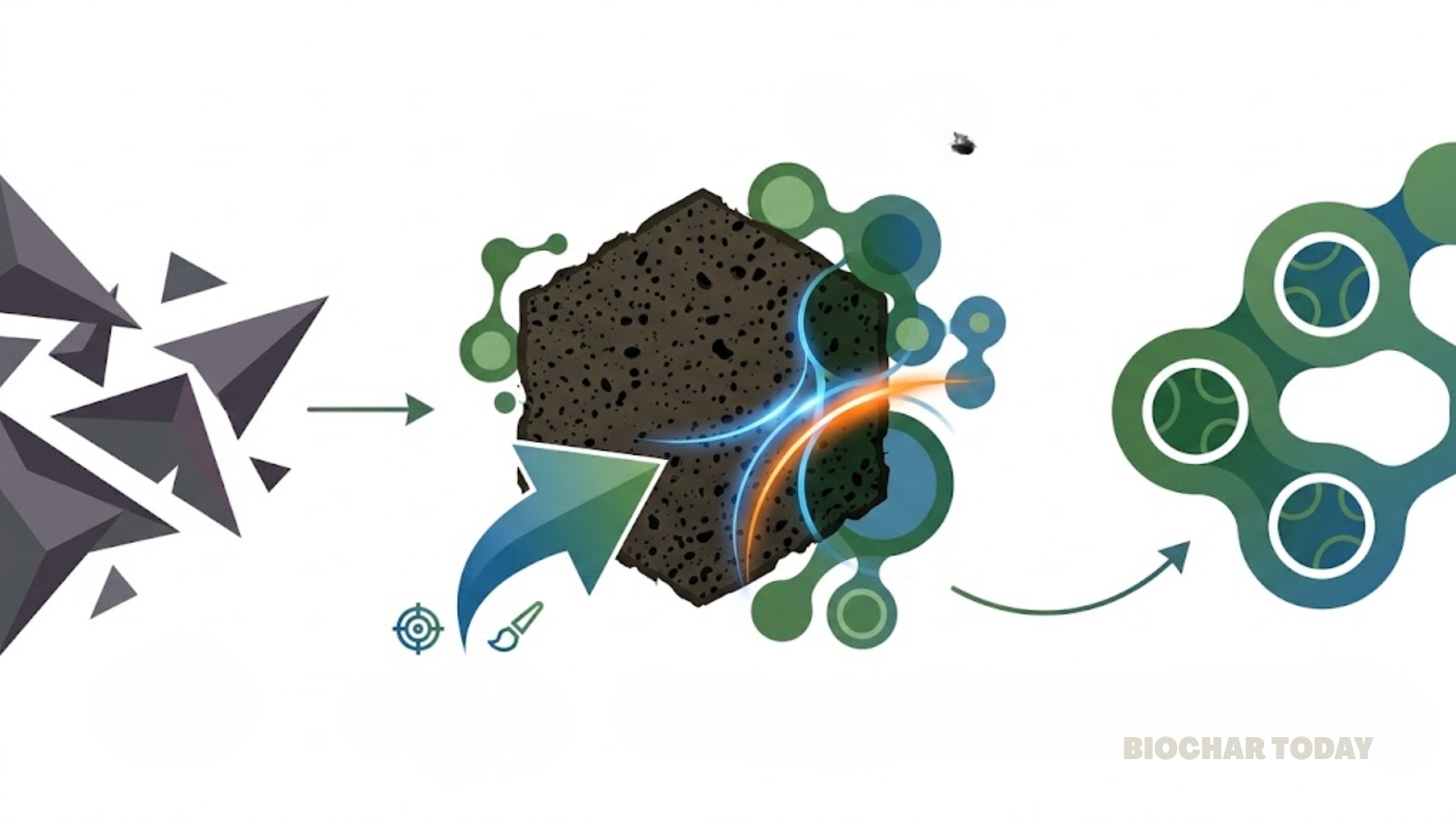
- Biochar Composition and Production: CMB was produced through slow pyrolysisPyrolysis is a thermochemical process that converts waste biomass into bio-char, bio-oil, and pyro-gas. It offers significant advantages in waste valorization, turning low-value materials into economically valuable resources. Its versatility allows for tailored products based on operational conditions, presenting itself as a cost-effective and efficient More at 450°C, resulting in a biochar with high carbon content and alkaline pHpH is a measure of how acidic or alkaline a substance is. A pH of 7 is neutral, while lower pH values indicate acidity and higher values indicate alkalinity. Biochars are normally alkaline and can influence soil pH, often increasing it, which can be beneficial More. The biochar was then pelletized using cassava starch as a binder, creating two types: enriched with potassium phosphate (PK) and non-enriched.
- Experimental Design: The study involved growing Urochloa brizantha in pots with various treatments: non-pelletized and pelletized biochar, with and without liming, and with and without PK fertilizer, alongside a control with no amendments.
- Soil and Plant Response: CMB application led to increased soil pH, higher levels of phosphorus (P), potassium (K), calcium (Ca), and magnesium (Mg). Pelletized biochar, especially when enriched with PK, provided a slow-release effect, enhancing nutrient availability over time.
- Crop Yield: The study observed that treatments with CMB, especially when combined with PK fertilizer and liming, resulted in higher shoot and root biomassBiomass is a complex biological organic or non-organic solid product derived from living or recently living organism and available naturally. Various types of wastes such as animal manure, waste paper, sludge and many industrial wastes are also treated as biomass because like natural biomass these More compared to the control. The slow-release properties of pelletized biochar were particularly beneficial, ensuring a steady nutrient supply and improving overall plant growth.
The use of CMB pellets as a soil conditioner is a promising approach for sustainable agriculture. It not only recycles organic waste but also enhances soil fertility and crop productivity. This method can be particularly effective in tropical soils, which are often acidic and nutrient-deficient.
The research highlights the potential of biochar as a viable alternative to conventional fertilizers, promoting long-term soil health and reducing environmental impact. Further studies could expand on these findings to optimize biochar application methods for different crops and soil types.



Leave a Reply