
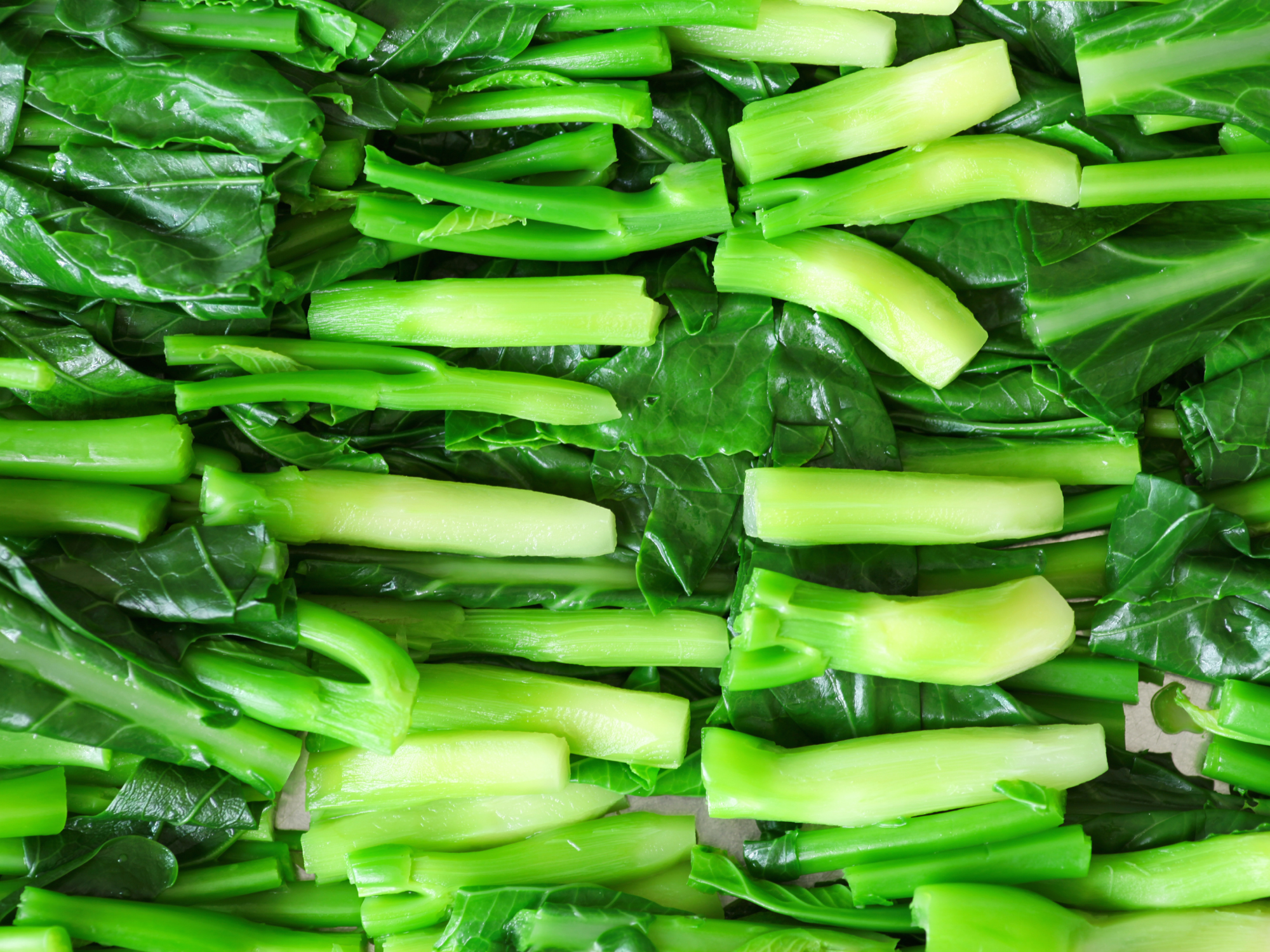
Jatuwong, Aiduang, et al (2024) Effects of BiocharBiochar is a carbon-rich material created from biomass decomposition in low-oxygen conditions. It has important applications in environmental remediation, soil improvement, agriculture, carbon sequestration, energy storage, and sustainable materials, promoting efficiency and reducing waste in various contexts while addressing climate change challenges. More and Arbuscular Mycorrhizal FungiThese are friendly fungi that form a partnership with plant roots. They act like an extension of the root system, helping plants access water and nutrients more effectively. Biochar can create a cozy habitat for these helpful fungi, boosting their growth and improving plant health. More on Soil Health in Chinese Kale (Brassica oleracea var. alboglabra L.) Cultivation. Microbiology Research. https://doi.org/10.3390/microbiolres15010027
The study delves into the synergistic effects of biochar and arbuscular mycorrhizal fungi (AMF) on soil quality and Chinese kale growth, crucial for sustainable agriculture. Three biochar types derived from bamboo, corn cob, and coffee grounds exhibit varying chemical properties, with coffee grounds biochar displaying the highest pHpH is a measure of how acidic or alkaline a substance is. A pH of 7 is neutral, while lower pH values indicate acidity and higher values indicate alkalinity. Biochars are normally alkaline and can influence soil pH, often increasing it, which can be beneficial More and phosphorus content. Incorporating biochar into soil enhances porosityPorosity of biochar is a key factor in its effectiveness as a soil amendment and its ability to retain water and nutrients. Biochar’s porosity is influenced by feedstock type and pyrolysis temperature, and it plays a crucial role in microbial activity and overall soil health. Biochar More and texture, leading to improved soil structure. Moreover, biochar amendments positively influence soil pH, electrical conductivity, organic matter, and carbon levels compared to control treatments.
The research also evaluates the impact of biochar on Chinese kale growth and photosynthetic pigments, highlighting its positive effects on plant growth and chlorophyll content, particularly at lower concentrations. Additionally, biochar application enhances phenolic compound accumulation in Chinese kale leaves, contributing to plant health and nutrient cycling mechanisms.
The combination of biochar and AMF proves beneficial in enhancing soil properties and plant growth. AMF, known for their role in nutrient cycling and plant nutrition, further complement biochar’s effects, offering additional benefits to soil health and crop productivity. Despite intensive agricultural methods leading to soil degradation and nutrient loss, adopting sustainable practices, such as biochar and AMF application, is essential for preserving soil health and sustaining crop productivity.
This study sheds light on the potential of biochar and AMF in improving soil quality and crop yield, particularly in economically important crops like Chinese kale. By understanding their synergistic effects, agricultural practices can be tailored to promote soil health, enhance crop productivity, and foster environmental sustainability.





Leave a Reply