
Gautam, et al (2024) Impact of Rice-Husk BiocharBiochar is a carbon-rich material created from biomass decomposition in low-oxygen conditions. It has important applications in environmental remediation, soil improvement, agriculture, carbon sequestration, energy storage, and sustainable materials, promoting efficiency and reducing waste in various contexts while addressing climate change challenges. More on Soil Attributes, Microbiome Interaction and Functional Traits of Radish Plants: A Smart Candidate for Soil Engineering. Plant Stress. https://doi.org/10.1016/j.stress.2024.100564
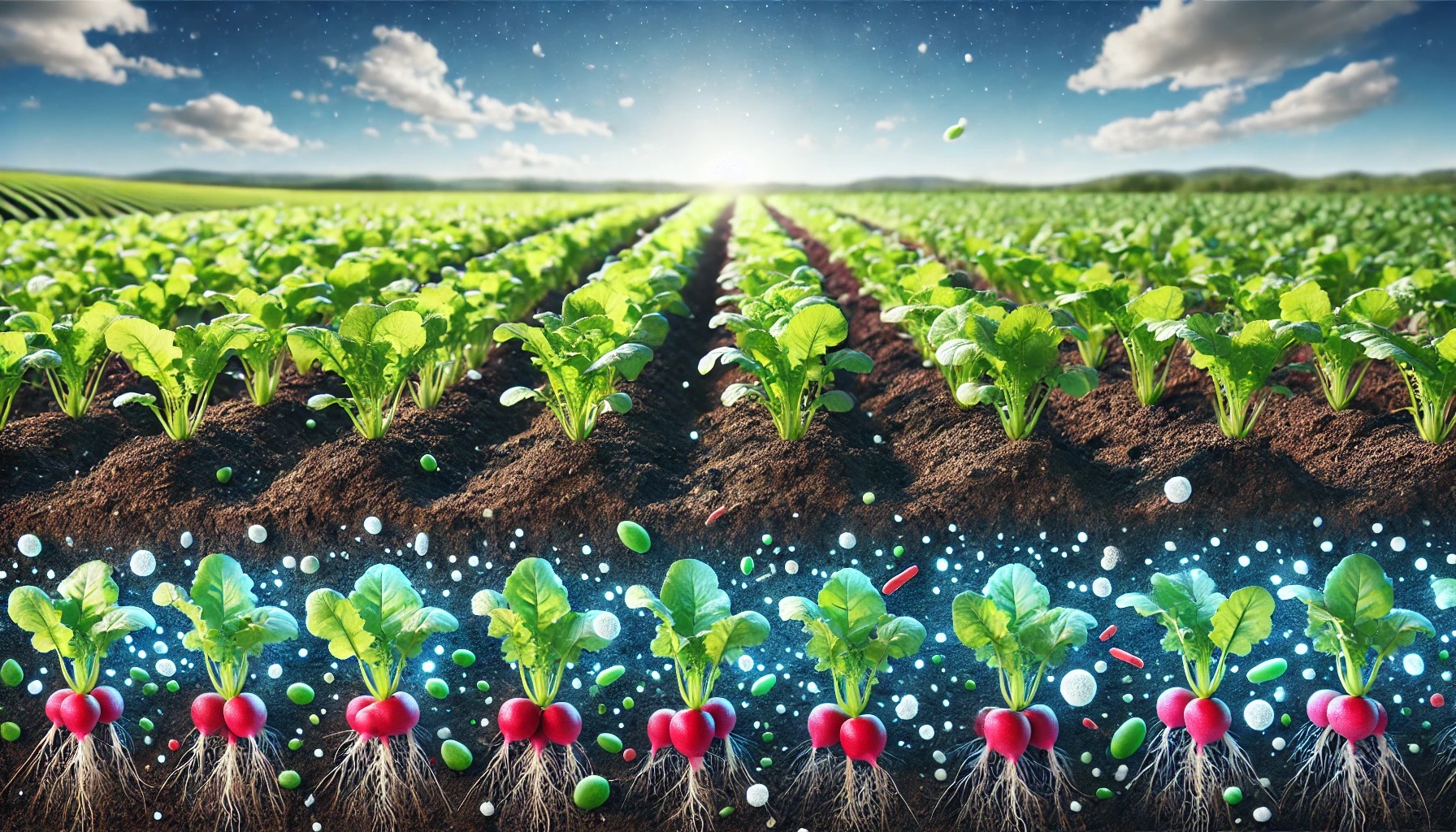
Rice husk biochar (RHB) is proving to be a smart solution for improving soil health and reducing heavy metal contamination in crops. A recent study evaluated the effects of different doses of RHB (1, 5, 10, 15, and 20 t/ha) on radish plants grown in wastewater-irrigated soils. The results demonstrated significant improvements in soil properties, plant growth, and reductions in toxic metal concentrations.
Biochar treatment enhanced soil pHpH is a measure of how acidic or alkaline a substance is. A pH of 7 is neutral, while lower pH values indicate acidity and higher values indicate alkalinity. Biochars are normally alkaline and can influence soil pH, often increasing it, which can be beneficial More, organic carbon, total nitrogen, and available phosphorus, contributing to better soil structure and nutrient cycling. Soil microbial activity also increased, particularly at a dose of 15 t/ha, with higher populations of beneficial bacterial communities such as Actinobacteria, Acidobacteria, and Nitrospira, essential for nutrient cycling and plant growth.
RHB was particularly effective in reducing heavy metal availability in the soil, including cadmium, chromium, nickel, zinc, and copper. These reductions corresponded to decreased heavy metal uptake by the radish plants, bringing toxic metal levels in the edible portions below safe limits.
The study found that RHB improved radish growth and antioxidant levels, with plants showing increased biomassBiomass is a complex biological organic or non-organic solid product derived from living or recently living organism and available naturally. Various types of wastes such as animal manure, waste paper, sludge and many industrial wastes are also treated as biomass because like natural biomass these More and reduced oxidative stress. The 15 t/ha dose was particularly beneficial, enhancing root and shoot development while improving the plants’ photosynthetic efficiency.
In conclusion, rice husk biochar shows great promise as a soil amendmentA soil amendment is any material added to the soil to enhance its physical or chemical properties, improving its suitability for plant growth. Biochar is considered a soil amendment as it can improve soil structure, water retention, nutrient availability, and microbial activity. More, improving both plant health and soil quality while mitigating heavy metal contamination, making it a potential game-changer for sustainable agriculture.


Leave a Reply