
Ding, et al (2024) EFFECT OF BIOCHARBiochar is a carbon-rich material created from biomass decomposition in low-oxygen conditions. It has important applications in environmental remediation, soil improvement, agriculture, carbon sequestration, energy storage, and sustainable materials, promoting efficiency and reducing waste in various contexts while addressing climate change challenges. More ON THE ACTIVITY OF ENZYME IN THE NUTRIENT CYCLE OF TYPICAL SOIL AGGERGATES IN NORTHEAST CHINA. APPLIED ECOLOGY AND ENVIRONMENTAL RESEARCH 22(4):3727-3741. http://dx.doi.org/10.15666/aeer/2204_37273741
Biochar has shown promising results in improving soil fertility, particularly in the nutrient-deficient soils of Northeast China. This region is a critical agricultural zone, essential for China’s grain production. However, the productivity of its black soil (Chernozem) and saline-alkali soils is under threat due to declining soil health.
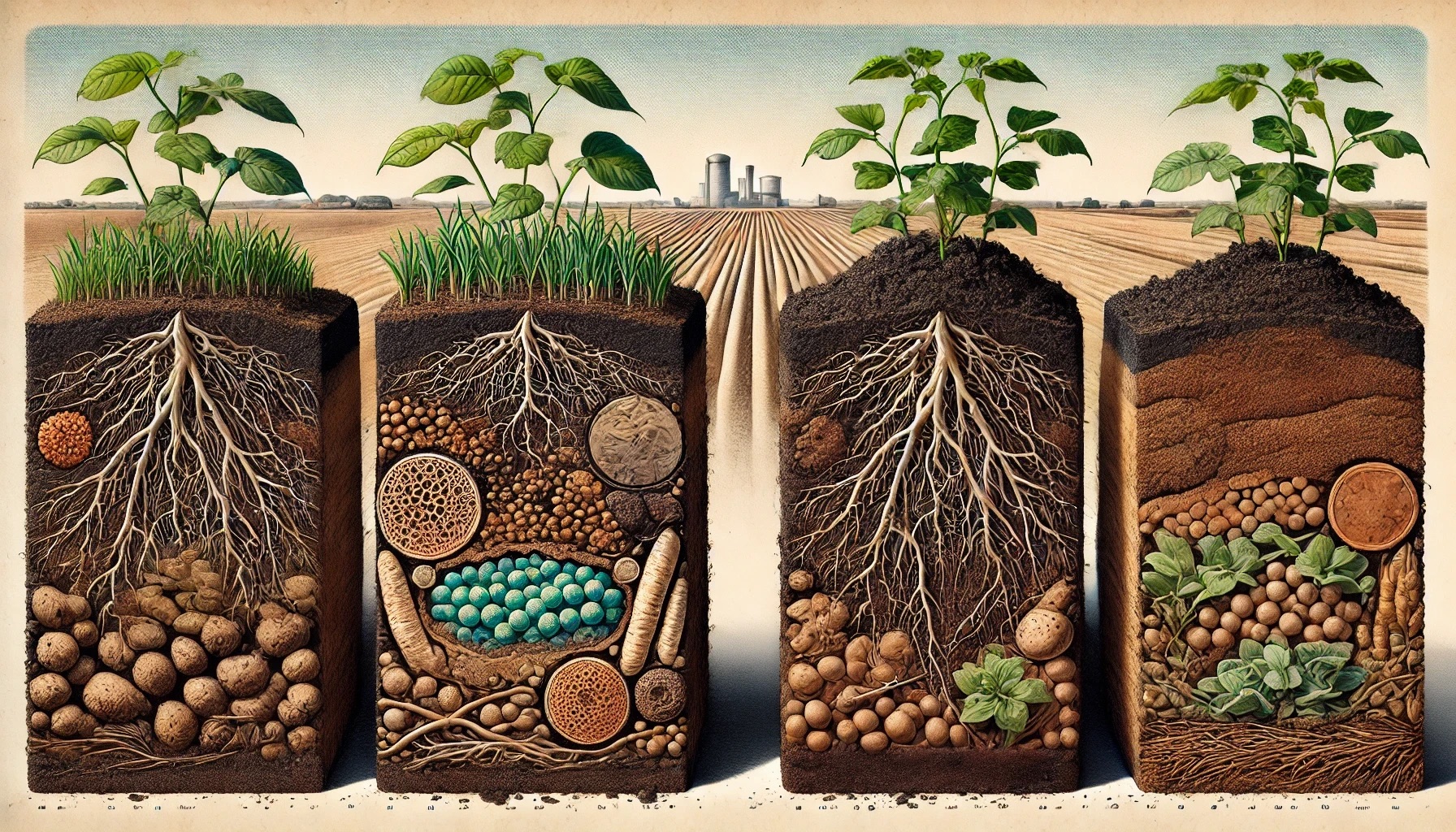
A recent study explored the impact of biochar on the enzymatic activities crucial for nutrient cycling within these soils. Conducted in Heilongjiang Province, the study involved adding biochar to both black soil and saline-alkali soil in a controlled experiment. The results were promising, with significant improvements observed in the soil’s organic matter content and enzyme activities related to carbon, nitrogen, and phosphorus cycles.
Biochar was found to increase soil organic matter by up to 41.86% in black soil and 31.98% in saline-alkali soil. Enzyme activities, especially those related to carbon cycling such as β-1,4-glucosidase and polyphenol oxidase, were notably enhanced, indicating improved soil fertility. Furthermore, biochar improved the activity of enzymes involved in nitrogen cycling, such as nitrate reductase and nitrous oxide reductase, particularly in larger soil aggregates.
These findings suggest that biochar can play a crucial role in restoring soil health in Northeast China. By enhancing nutrient cycling processes, biochar not only boosts crop productivity but also supports sustainable agricultural practices, making it a valuable tool for addressing soil degradation in this vital agricultural region.





Leave a Reply