


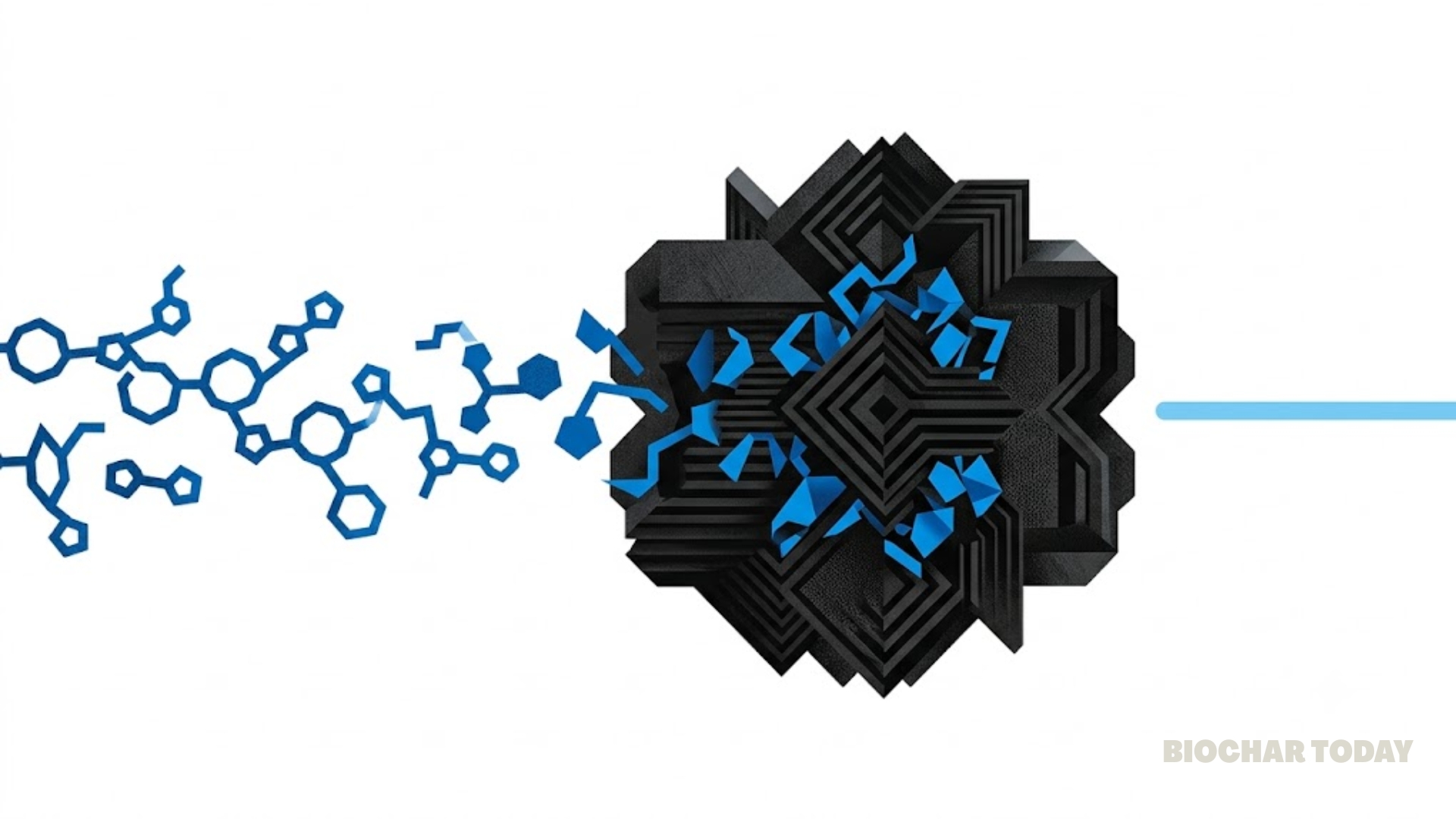
In recent research, the effects of biocharBiochar is a carbon-rich material created from biomass decomposition in low-oxygen conditions. It has important applications in environmental remediation, soil improvement, agriculture, carbon sequestration, energy storage, and sustainable materials, promoting efficiency and reducing waste in various contexts while addressing climate change challenges. More and nanoparticles (NPs) on post-mining soil, polluted with heavy metals like arsenic, copper, selenium, and zinc, were examined to determine their potential in reducing environmental risks and enhancing soil biogeochemical functions. The study incorporated the use of two types of nanoparticles—zero-valent iron (nZVI) and hydroxyapatite (nH)—alongside varying concentrations of biochar, in combination with the phytostabilization efforts using Ryegrass (Lolium perenne L.).
Soil samples were collected from a former metal mine area and were treated with different concentrations of nZVI or nH (0 and 2%) and biochar (0, 3, and 5%). Over a growth period of 45 days, the impact of these treatments on ryegrass yield, soil properties, and metal(loid) accumulation in plant biomassBiomass is a complex biological organic or non-organic solid product derived from living or recently living organism and available naturally. Various types of wastes such as animal manure, waste paper, sludge and many industrial wastes are also treated as biomass because like natural biomass these More was analyzed.
The results revealed several benefits of using biochar: it significantly increased soil pHpH is a measure of how acidic or alkaline a substance is. A pH of 7 is neutral, while lower pH values indicate acidity and higher values indicate alkalinity. Biochars are normally alkaline and can influence soil pH, often increasing it, which can be beneficial More, organic carbon content, and essential nutrients such as labile carbon, total nitrogen, and available phosphorus. The combination of NPs and biochar further enhanced soil fertility by increasing exchangeable cations and reducing exchangeable sodium percentage, which in turn decreased sodicity risks and boosted ryegrass biomass.
Furthermore, enzymatic activities vital for soil health, such as dehydrogenase and glucosidase, were notably higher in biochar-amended soils, an effect that was amplified by the presence of nanoparticles. While both types of nanoparticles exhibited comparable outcomes in many parameters, hydroxyapatite was superior in boosting nutrient content, carbon levels, and enzymatic activities.
This study underscores the potential of combined biochar and nanoparticle amendments—particularly with hydroxyapatite—as a robust strategy for restoring soil health in post-mining landscapes, effectively reducing metal contamination risks and improving soil functionality.



Leave a Reply