
Wang, et al (2024) Feasibility study of PAHs contaminated soil remediation by Buchloe dactyloides (Nutt.) Engelm combined with biocharBiochar is a carbon-rich material created from biomass decomposition in low-oxygen conditions. It has important applications in environmental remediation, soil improvement, agriculture, carbon sequestration, energy storage, and sustainable materials, promoting efficiency and reducing waste in various contexts while addressing climate change challenges. More. Journal of Soils and Sediments. https://doi.org/10.1007/s11368-024-03807-9
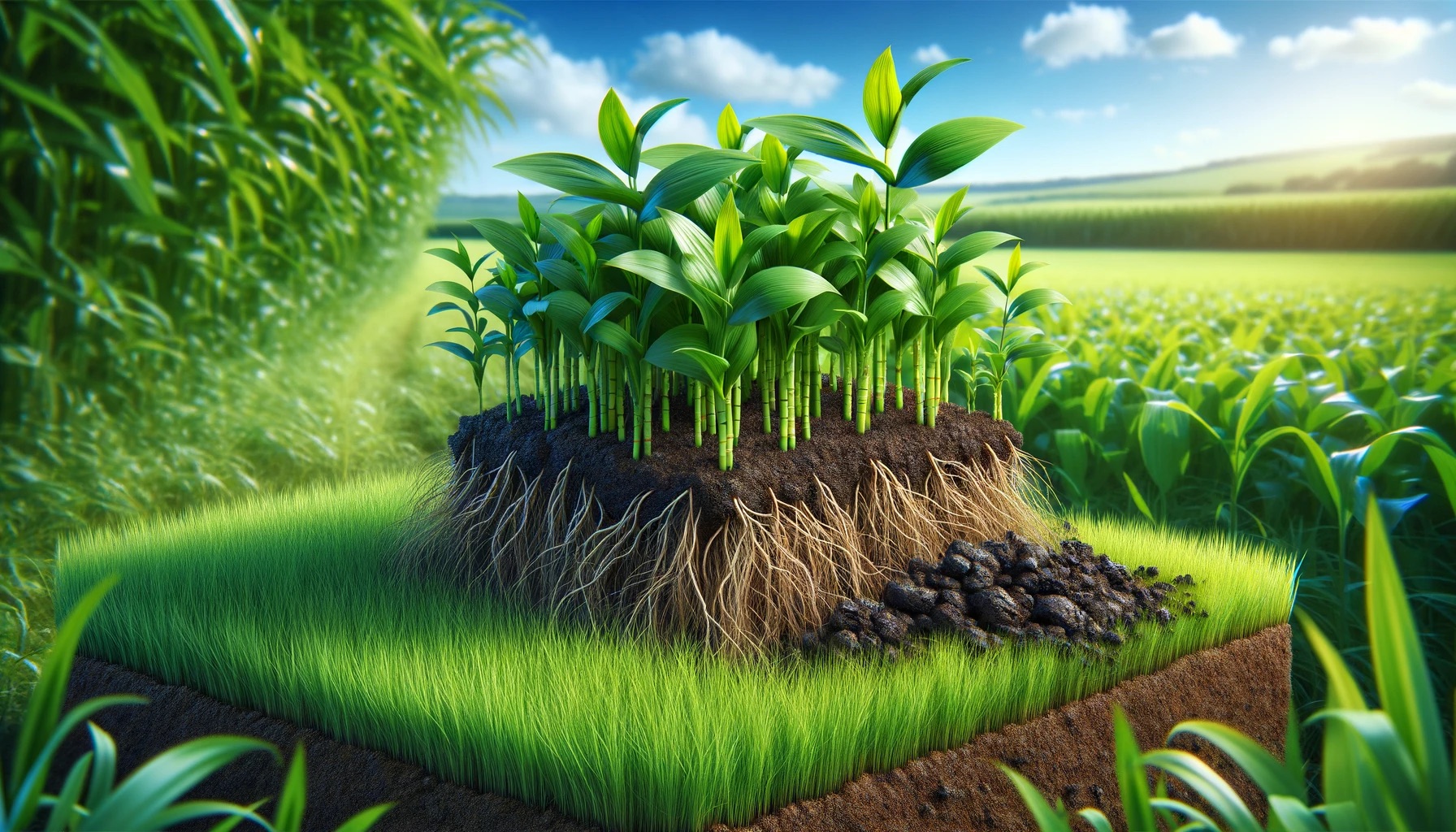
Research into soil remediation techniques has identified the combined use of plants and biochar as an effective strategy for improving soils contaminated by polycyclic aromatic hydrocarbons (PAHs). Despite this, the application potential of such methods is not well understood. A recent study investigated the effectiveness of biochar in enhancing the phytoremediationThis is a technique that uses plants to clean up contaminated soil or water. Biochar can enhance phytoremediation by improving soil conditions and promoting plant growth, allowing plants to absorb and break down pollutants more effectively. More capabilities of Buchloe dactyloides, a resilient grass species, when dealing with PAH-contaminated soil.
Pot experiments were designed to observe the impact of biochar on the growth and physiological parameters of B. dactyloides, its ability to accumulate PAHs, and the overall soil environment. The study revealed that biochar significantly boosted the levels of antioxidants (such as free proline, glutathione, and ascorbic acid), antioxidant enzymes (catalase and laccase), and phytohormones (including abscisic acid, indole acetic acid, jasmonic acid, salicylic acid, and gibberellin) in the roots of B. dactyloides. This enhancement reduced reactive oxygen species and lipid peroxidation, bolstering the plant’s antioxidant defenses and increasing its PAH tolerance.
Additionally, biochar treatment improved the activities of critical soil enzymes (catalase, dehydrogenases, urease, and protease) and increased soil nutrients in the rhizosphere, leading to a significant decrease in PAH content and better soil health.
In conclusion, the study found that biochar treatment not only promoted the accumulation of PAHs but also improved the soil environment, significantly enhancing the phytoremediation effectiveness of B. dactyloides. This combined approach offers a promising solution for remediating PAH-contaminated soils.



Leave a Reply