
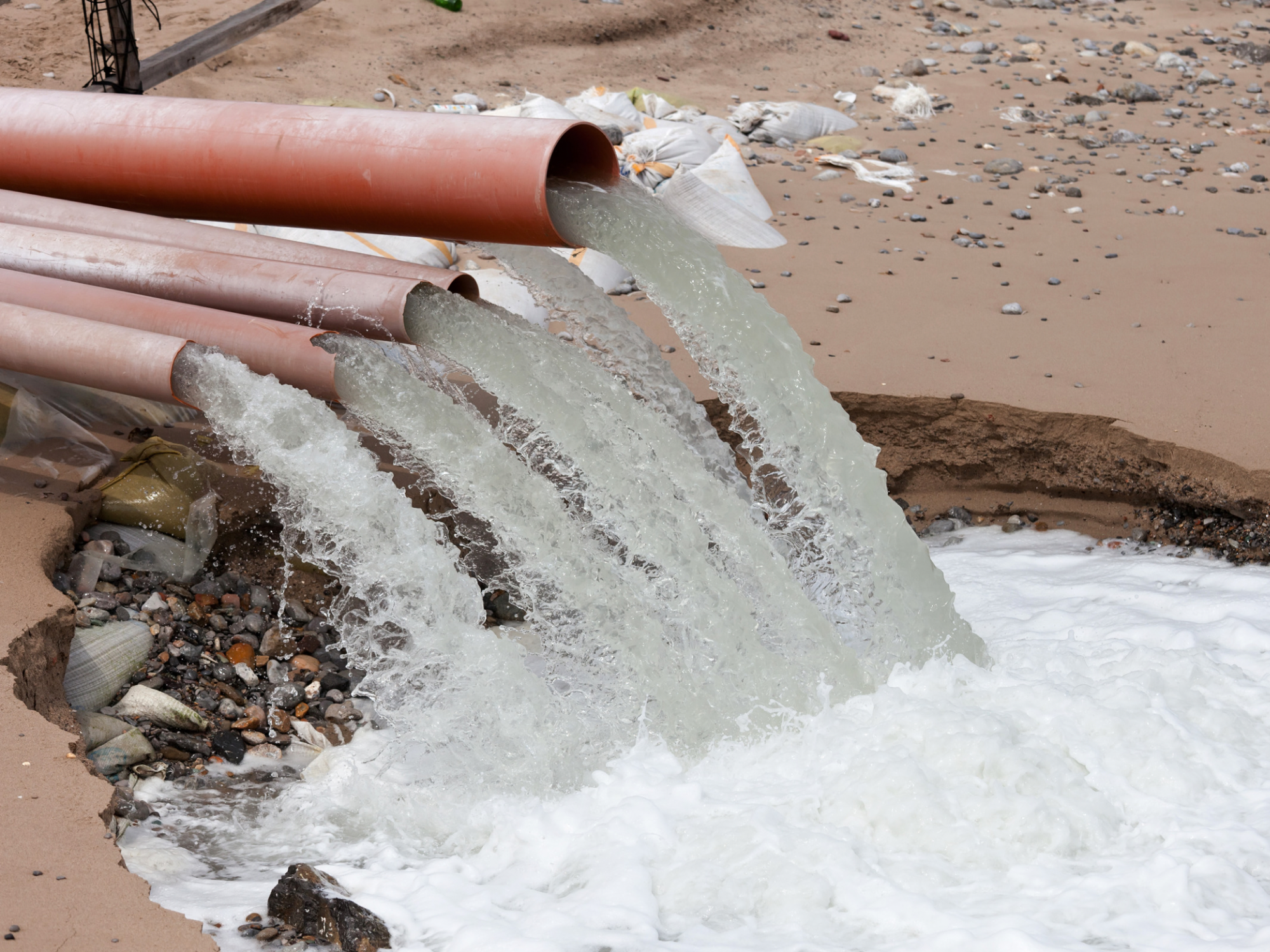

In the realm of wastewater treatment, the role of biochar in the single-stage partial nitritation anammox (SPNA) system has been a subject of exploration. This study delves into the influence of biochar on SPNA at ambient temperatures (20°C and 15°C). The addition of biochar resulted in an increased nitrogen removal rate, reaching 0.50 g N/(L·d) with a 4 g/L biochar addition. Metagenomic analysis unveiled shifts in gene abundances related to microbial metabolism, specifically in amino sugar and nucleotide sugar metabolism, amino acid metabolism, and quorum sensing. Notably, the study found an increase in gene abundance for enzymes synthesizing NADH and trehalose, indicating biochar’s potential to stimulate electron transfer reactions and help microorganisms maintain stability at lower temperatures.
The SPNA process, a comprehensive autotrophic nitrogen removal technology, integrates partial nitritation and anammox technologies. This study addresses challenges related to high ammonium nitrogen concentrations and temperatures in SPNA systems, crucial parameters affecting system performance. Biochar, derived from biomassBiomass is a complex biological organic or non-organic solid product derived from living or recently living organism and available naturally. Various types of wastes such as animal manure, waste paper, sludge and many industrial wastes are also treated as biomass because like natural biomass these More through pyrolysisPyrolysis is a thermochemical process that converts waste biomass into bio-char, bio-oil, and pyro-gas. It offers significant advantages in waste valorization, turning low-value materials into economically valuable resources. Its versatility allows for tailored products based on operational conditions, presenting itself as a cost-effective and efficient More, emerges as a potential enhancer for the activities of anammox bacteria (AnAOB) at low temperatures. While previous studies explored various additives to improve AnAOB activity, biochar’s unique properties, such as specific surface area and functional groups, make it a promising candidate for enhancing electron transfer processes.
The research focused on a stable SPNA reactor amended with 2–4 g/L biochar, operating at 20°C with a nitrogen loading rate (NLR) of 0.81 g/(L·d). The study aimed to clarify the impacts of biochar on nitrogen removal, observe changes in metabolic enzyme activities and extracellular polymeric substances (EPS) content, and investigate variations in microbial community composition and metabolic pathways.
In summary, this study provides valuable insights into the mechanisms through which biochar enhances nitrogen removal in SPNA systems, shedding light on its potential application in optimizing wastewater treatment processes.



Leave a Reply