
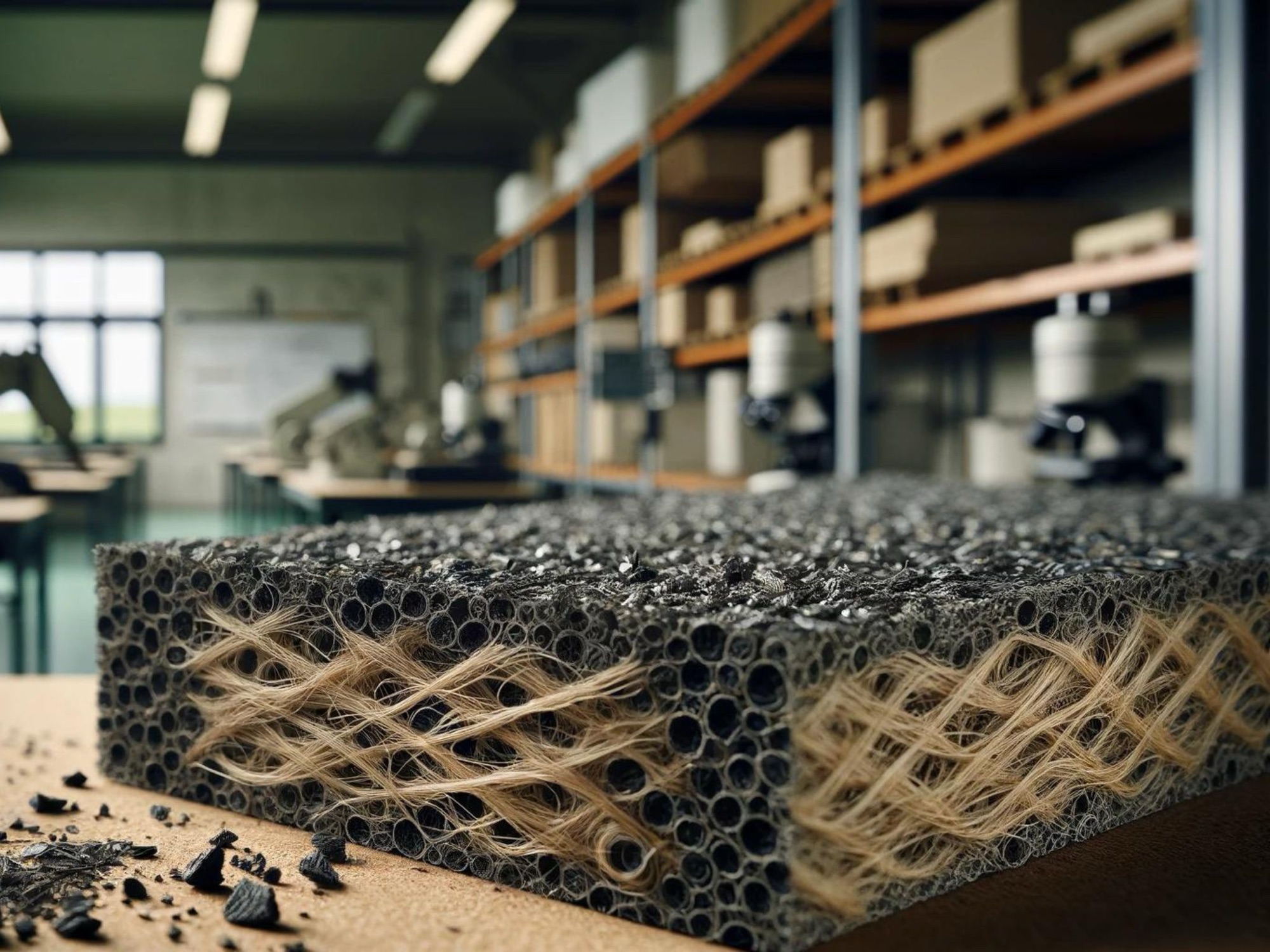
Rajendran, et al (2024) BiocharBiochar is a carbon-rich material created from biomass decomposition in low-oxygen conditions. It has important applications in environmental remediation, soil improvement, agriculture, carbon sequestration, energy storage, and sustainable materials, promoting efficiency and reducing waste in various contexts while addressing climate change challenges. More from cashew nut shells: A sustainable reinforcement for enhanced mechanical performance in hemp fibre composites. Cleaner Engineering and Technology. https://doi.org/10.1016/j.clet.2024.100745
The growing urgency to develop sustainable materials has led researchers to explore the potential of bio fillers like biochar, derived from agricultural residues such as cashew nut shells, in enhancing the properties of composite materials. This particular study delves into the incorporation of biochar into hemp fibre composites to improve both their mechanical strength and environmental footprint.
Hemp fibre, recognized for its excellent mechanical properties and sustainability, was chosen as the base material. The study experimented with various concentrations of biochar—5%, 10%, 15%, and 20% by weight. The results indicated that adding 10% biochar optimally enhanced the tensile strength, impact resistance, and hardness of the composites, with increases of approximately 94%, 38%, and 7% respectively, compared to composites without biochar.
The composites with 15% biochar exhibited the highest flexural strength, at about 71 MPa. This improvement in mechanical properties is attributed to the enhanced adhesion between the filler and the matrix, which facilitates effective stress transfer, thus reinforcing the composite’s structural integrity. Additionally, biochar effectively acted as a barrier to water molecules, reducing water absorption by approximately 32% to 63%, which is crucial for applications susceptible to moisture exposure.
The introduction of biochar not only capitalizes on waste material but also supports carbon sequestration—a critical aspect of mitigating climate change. This study illustrates the dual benefits of using biochar: enhancing the mechanical properties of hemp fibre composites and advancing environmental sustainability. The findings promise substantial implications for industries looking to reduce their ecological impact through improved material choices. The research highlights the importance of selecting appropriate bio filler concentrations to maximize performance enhancements while adhering to sustainable practices, paving the way for broader application of greener composite materials in various sectors. This approach represents a significant step forward in the intersection of materials science and environmental stewardship, suggesting a viable pathway towards more sustainable manufacturing processes.






Leave a Reply