


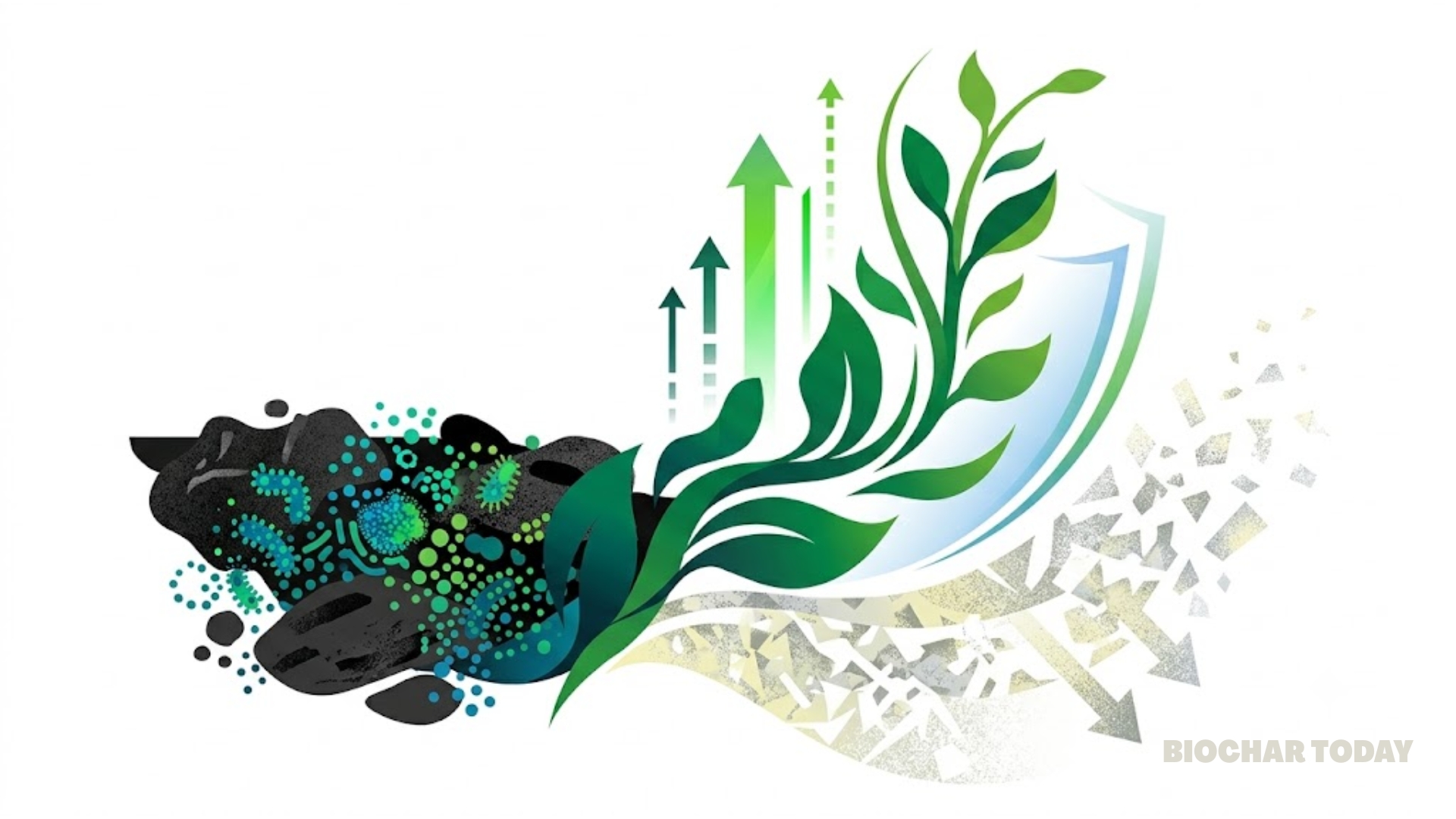
Researchers have developed a promising new method to improve the slow-release properties of fertilizers by incorporating iron oxide nanoparticles into polyvinyl alcohol (PVA) and starch-based hydrogel membranes. This innovative approach aims to overcome the challenges associated with biochar-based fertilizers, which, despite their environmental benefits, have struggled with slow-release performance.
In the study, biochar-coated hydrogel membranes (Fe/PVA/ST-BSRFs) were created by embedding iron oxide nanoparticles into a PVA/starch matrix. These membranes coated compound fertilizers, helping to regulate the release of essential nutrients like nitrogen (N), phosphorus (P), and potassium (K) over time. Results showed that the iron-enhanced hydrogels significantly outperformed both traditional fertilizers and those without nanoparticles. The slow-release fertilizers demonstrated a 30-day release of nutrients, with marked reductions in nutrient leaching—22.87% for nitrogen, 34.93% for phosphorus, and 84.08% for potassium.
The inclusion of iron oxide nanoparticles improved the hydrogel’s water retention and swelling properties, ensuring a more consistent release of nutrients without affecting biodegradability. Pot trials revealed that the new fertilizer system not only boosted chili plant growth but also enhanced nutrient uptake efficiency.
The study concludes that Fe/PVA/ST-BSRFs present a cost-effective and sustainable solution for improving fertilizer performance in agriculture, with potential for large-scale application.



Leave a Reply