
Zeynali, et al (2024) Sustainable enhancement of biogas production from a cold-region municipal wastewater anaerobic digestion process using optimized sludge-derived and commercial biocharBiochar is a carbon-rich material created from biomass decomposition in low-oxygen conditions. It has important applications in environmental remediation, soil improvement, agriculture, carbon sequestration, energy storage, and sustainable materials, promoting efficiency and reducing waste in various contexts while addressing climate change challenges. More additives. Journal of Cleaner Production. https://doi.org/10.1016/j.jclepro.2024.143948
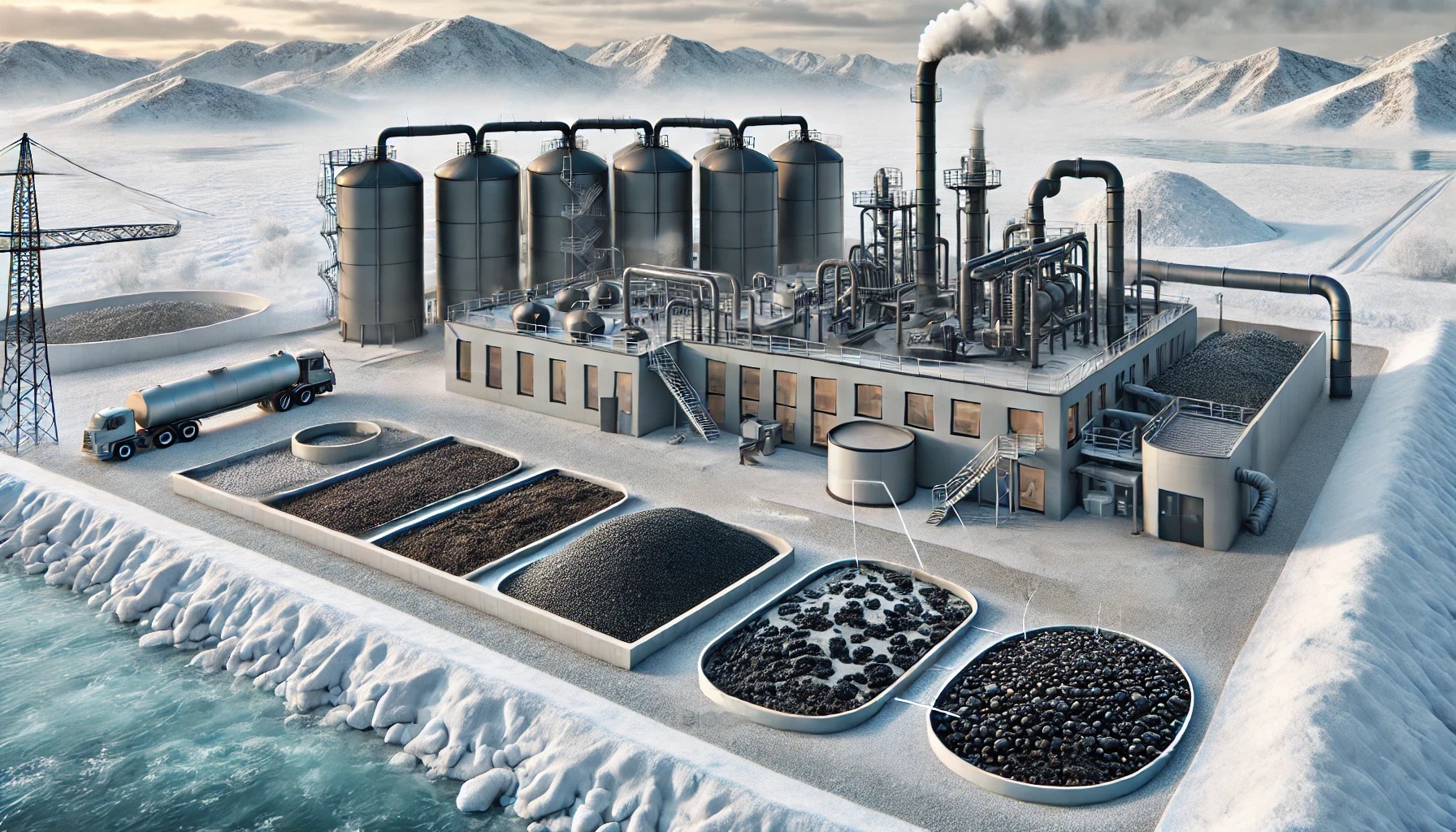
In cold regions, wastewater treatment plants face challenges with biogas production due to temperature fluctuations. A recent study conducted at a Canadian wastewater treatment plant aimed to optimize biogas output using biochar additives in the anaerobic digestion (AD) process. Biochar, a carbon-rich material derived from organic waste, was produced from sludge using two methods: conventional furnace pyrolysisPyrolysis is a thermochemical process that converts waste biomass into bio-char, bio-oil, and pyro-gas. It offers significant advantages in waste valorization, turning low-value materials into economically valuable resources. Its versatility allows for tailored products based on operational conditions, presenting itself as a cost-effective and efficient More (SBC) and microwave-assisted pyrolysis (ASBC). These biochars were compared with commercial carbon-based additives such as activated carbonActivated carbon is a form of carbon that has been processed to create a vast network of tiny pores, increasing its surface area significantly. This extensive surface area makes activated carbon exceptionally effective at trapping and holding impurities, like a molecular sponge. It is commonly More and wood-derived biochar.
The study demonstrated that biochar, especially the microwave-produced ASBC, significantly boosted methane production. ASBC-enhanced digesters increased methane yields by 50% compared to control samples. This improvement is attributed to the biochar’s high surface area, electrical conductivity, and metal content, which fostered microbial growth. Enhanced microbial communities, particularly those involved in organic matter fermentation and volatile fatty acid production, were key to this success.
By integrating biochar into the AD process, the research suggests wastewater treatment plants can increase energy efficiency and contribute to more sustainable waste management. The study highlights biochar’s potential to improve biogas production while aligning with global goals for clean energy and resource recovery. This innovative approach could help wastewater facilities in cold climates reduce greenhouse gas emissions and achieve greater energy self-sufficiency.
Future research will focus on optimizing biochar properties for even greater biogas yields and assessing the environmental impact of biochar production.



Leave a Reply