
Pradhan, et al (2024) A comprehensive evaluation of decision making for biocharBiochar is a carbon-rich material created from biomass decomposition in low-oxygen conditions. It has important applications in environmental remediation, soil improvement, agriculture, carbon sequestration, energy storage, and sustainable materials, promoting efficiency and reducing waste in various contexts while addressing climate change challenges. More application in agricultural water security: A GIS-AHP based approach. Environmental Technology & Innovation. https://doi.org/10.1016/j.eti.2024.103801
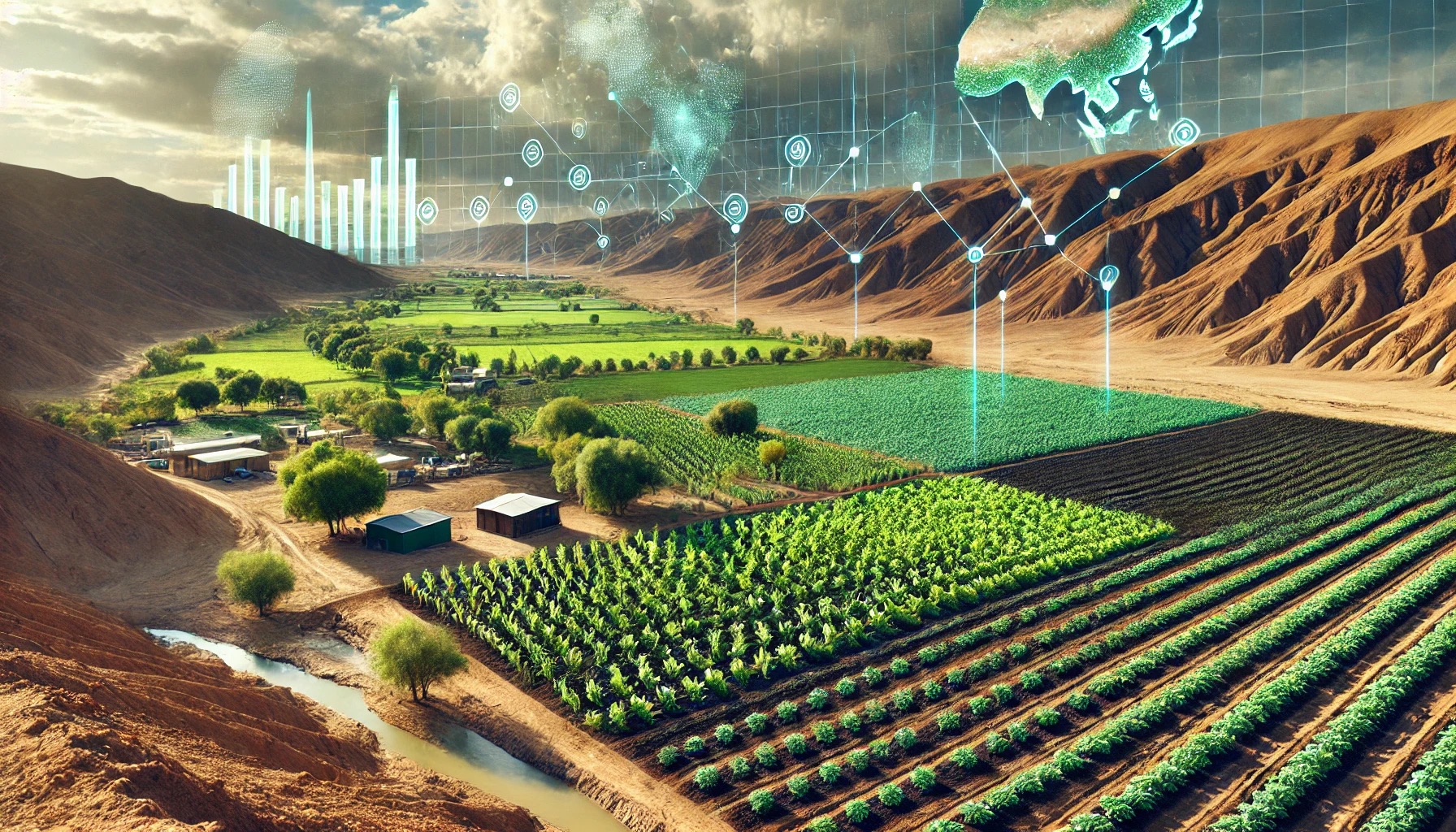
The integration of biochar in agricultural practices is gaining attention for its potential to enhance soil quality and water retention, particularly in arid regions. A recent study by Pradhan et al. proposes a decision-making model for selecting appropriate biochar application in agriculture, using the Analytical Hierarchy Process (AHP) and Geographic Information Systems (GIS) mapping to evaluate its impact on water security.
The study focused on food waste-derived biochar, analyzing its effects on soil quality, nutrient content, and water retention at various loading rates. The decision-making framework used AHP to prioritize the best biochar and application dose. Among the tested biochars, 2% mixed vegetable waste biochar ranked highest, followed closely by 2% pistachio shell biochar. Both were shown to improve water retention by 20% compared to non-amended soils.
GIS mapping was then employed to simulate the effects of biochar application across Qatar’s fodder farms, factoring in seasonal variations. The maps provided insights into the spatial distribution of water consumption and the potential impact of biochar on reducing water use. Biochar application showed promise in mitigating water stress, particularly in regions with high water demands, while also improving soil nutrient retention and structure.
This integrated approach highlights the role of biochar as a sustainable solution for water management in agriculture, offering valuable insights for policymakers, farmers, and stakeholders aiming to enhance water security in arid environments.



Leave a Reply