
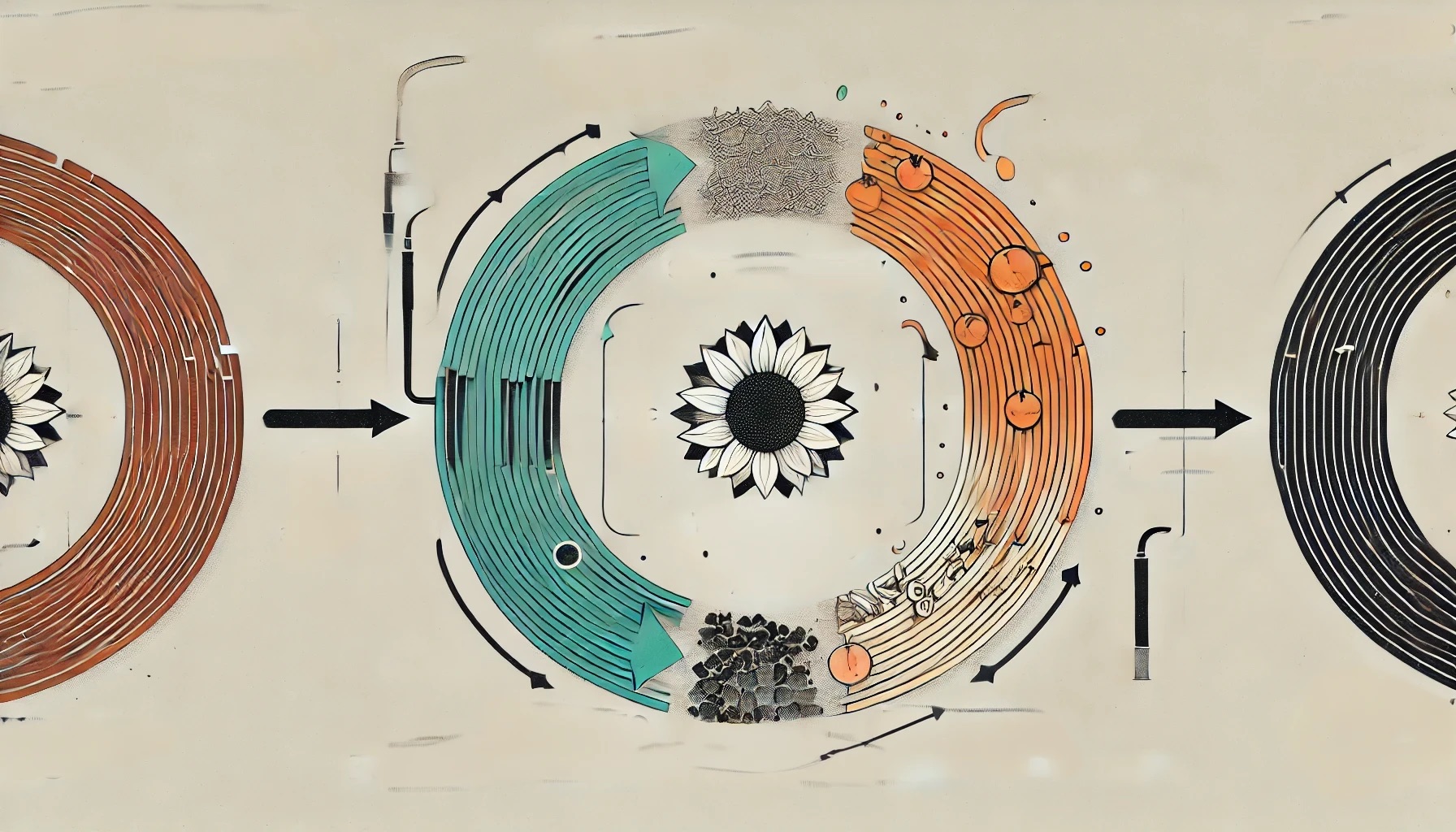

Biochar production from agricultural waste is gaining interest for its potential in waste management and carbon sequestration. In a recent study, sunflower straw, tea factory by-products, and tomato green waste were pyrolyzed at temperatures between 300 and 700 °C to explore how feedstock type and pyrolysis temperature affect biochar properties.
The study found that the specific surface area (SSA) of biochar from sunflower and tea waste increased up to 600 °C before decreasing, while tomato waste biochar’s SSA increased continuously. Sunflower and tomato waste biochar had the highest mineral ashAsh is the non-combustible inorganic residue that remains after organic matter, like wood or biomass, is completely burned. It consists mainly of minerals and is different from biochar, which is produced through incomplete combustion. Ash Ash is the residue that remains after the complete More content, while tea waste biochar had the highest volatile matterVolatile matter refers to the organic compounds that are released as gases during the pyrolysis process. These compounds can include methane, hydrogen, and carbon monoxide, which can be captured and used as fuel or further processed into other valuable products. More at 700 °C. Principal Component Analysis revealed that mineral elements and pyrolysis temperature significantly influenced biochar properties.
The findings suggest that by carefully selecting feedstock and adjusting pyrolysis temperatures, biochar can be engineered with specific properties suitable for various applications. This has implications for improving soil quality, recycling plant nutrients, and enhancing carbon sequestration, making biochar a promising tool in sustainable agriculture and environmental management.



Leave a Reply