
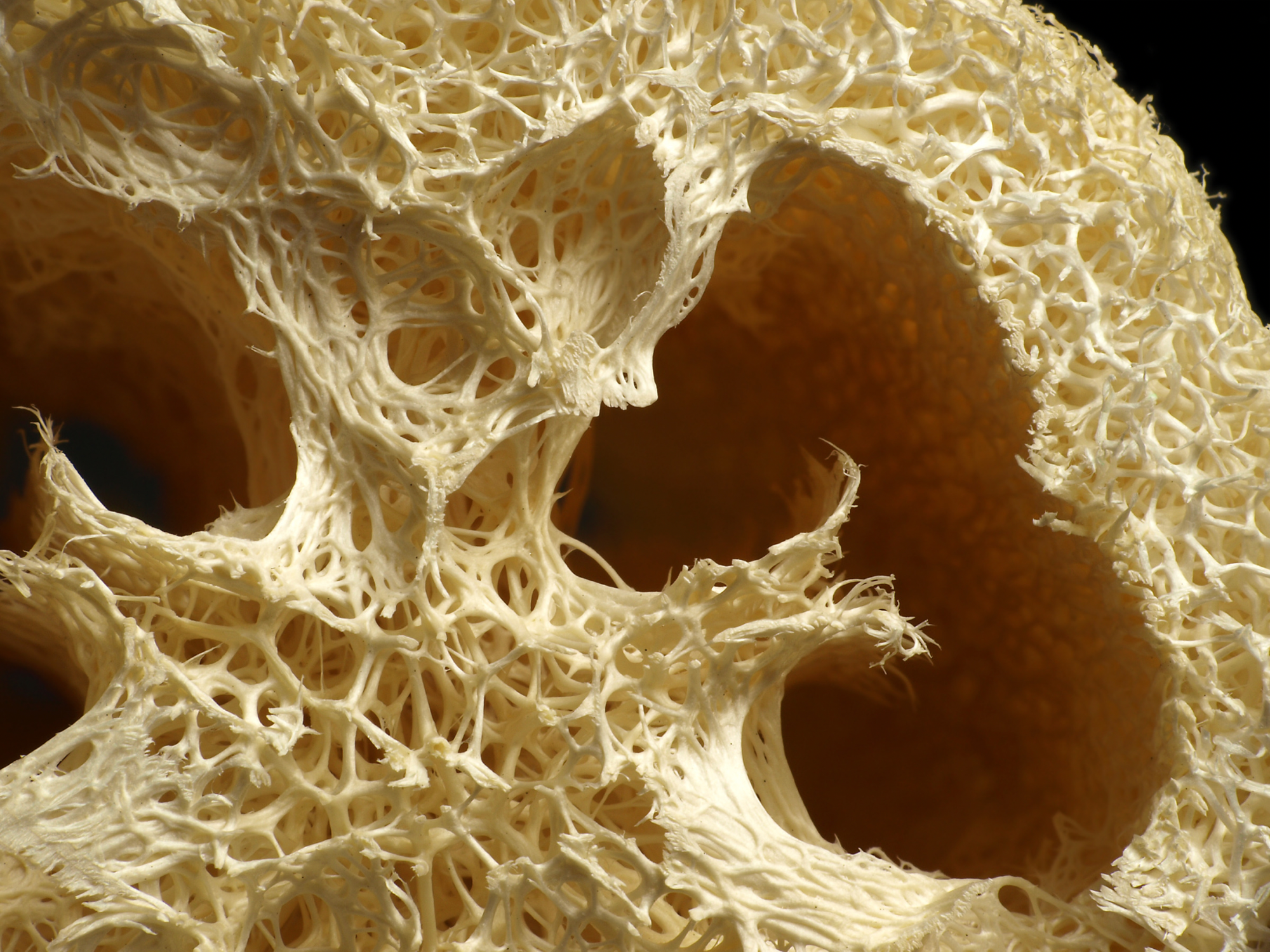

In addressing the pressing challenge of removing complex pollutants from oligotrophic water sources, researchers have developed an innovative solution: the LS/PEI@biochar biofilm reactor. This reactor, composed of HCl-modified loofah sponge crosslinked polyethyleneimine loaded with biochar, demonstrates remarkable efficiency in removing various pollutants. Over a span of 35 days, the reactor achieved substantial removal rates, including 95% for ammonia nitrogen (NH4+-N), 81% for calcium (Ca2+), and 77% for phosphate (PO43–P). Additionally, it effectively utilized low molecular weight carbon sources, showcasing its versatility in pollutant removal.
Scanning electron microscopy (SEM) analysis revealed the superior performance of the LS/PEI@biochar biocarrier in forming robust biofilm suspensions. Furthermore, the bioprecipitates generated within the reactor, particularly calcium carbonate (CaCO3) formations, confirmed the effective removal of certain pollutants. This study not only underscores the efficacy of the LS/PEI@biochar biofilm reactor on a laboratory scale but also hints at its potential for large-scale application in treating oligotrophic water.
The research also delves into the ecological restoration mechanism of oligotrophic water, shedding light on the microbial metabolic changes occurring within the reactor and analyzing the composition of microbial communities and functional genes. By leveraging the advantageous properties of loofah sponge, polyethyleneimine, and biochar derived from water hyacinth, this multifunctional adsorbent demonstrates high adsorption capacity, easy recovery, and efficient pollutant removal.
Overall, this study represents a significant step forward in addressing the global challenge of nitrogen and phosphorus removal from oligotrophic water sources, offering a promising solution with broad applicability and potential for practical implementation.






Leave a Reply