
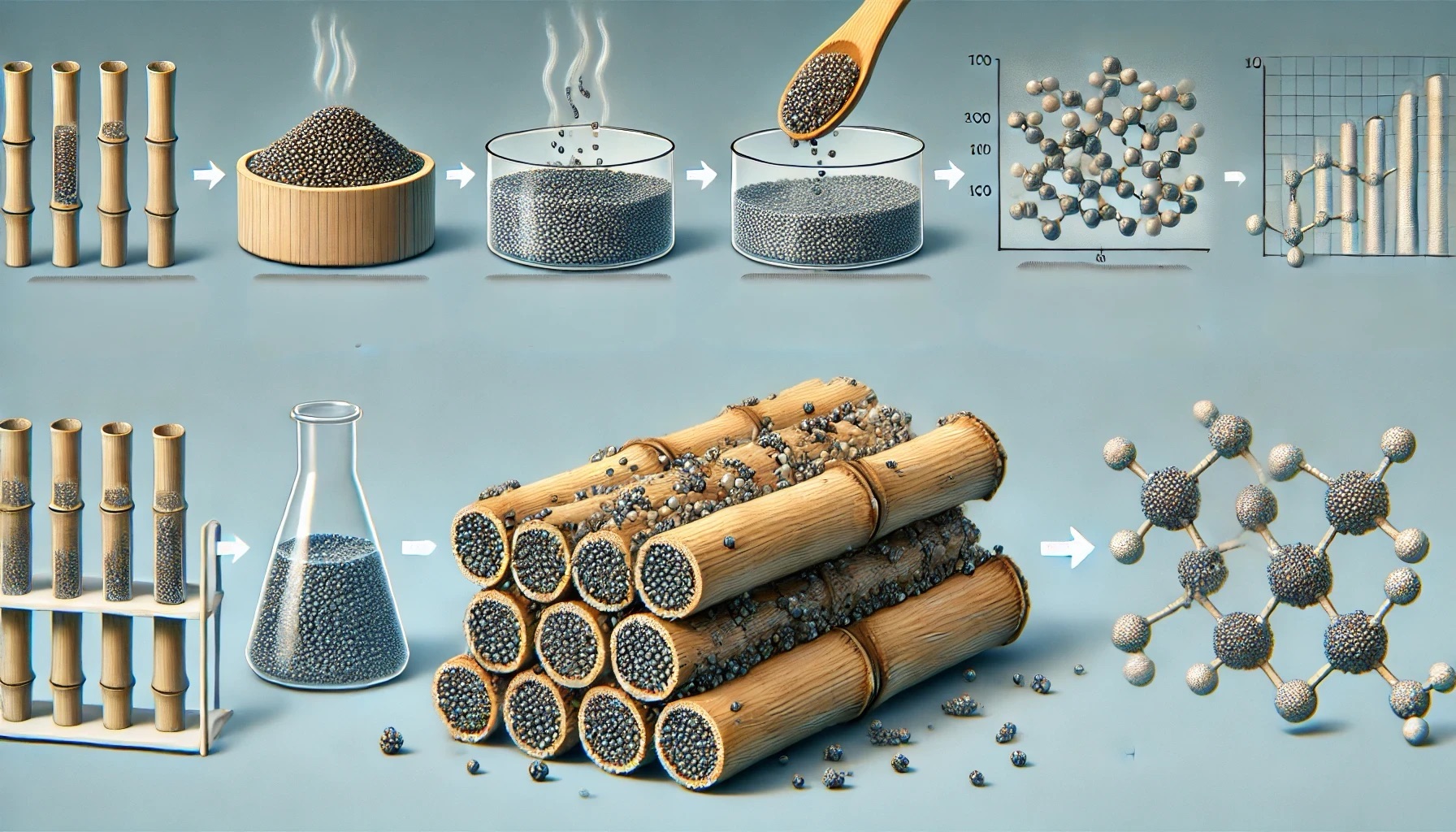

Researchers have developed a highly efficient method for producing N-doped bamboo biochar (NBB) using a one-step microwave pyrolysisPyrolysis is a thermochemical process that converts waste biomass into bio-char, bio-oil, and pyro-gas. It offers significant advantages in waste valorization, turning low-value materials into economically valuable resources. Its versatility allows for tailored products based on operational conditions, presenting itself as a cost-effective and efficient More process. This approach, which uses urea and urea nitrate as both microwave absorbers and nitrogen sources, simplifies the production process and enhances microwave absorption. The method requires only 10 minutes of microwave exposure at 460 watts, resulting in biochar with a high specific surface area (SSA) of 876.1 m²/g.
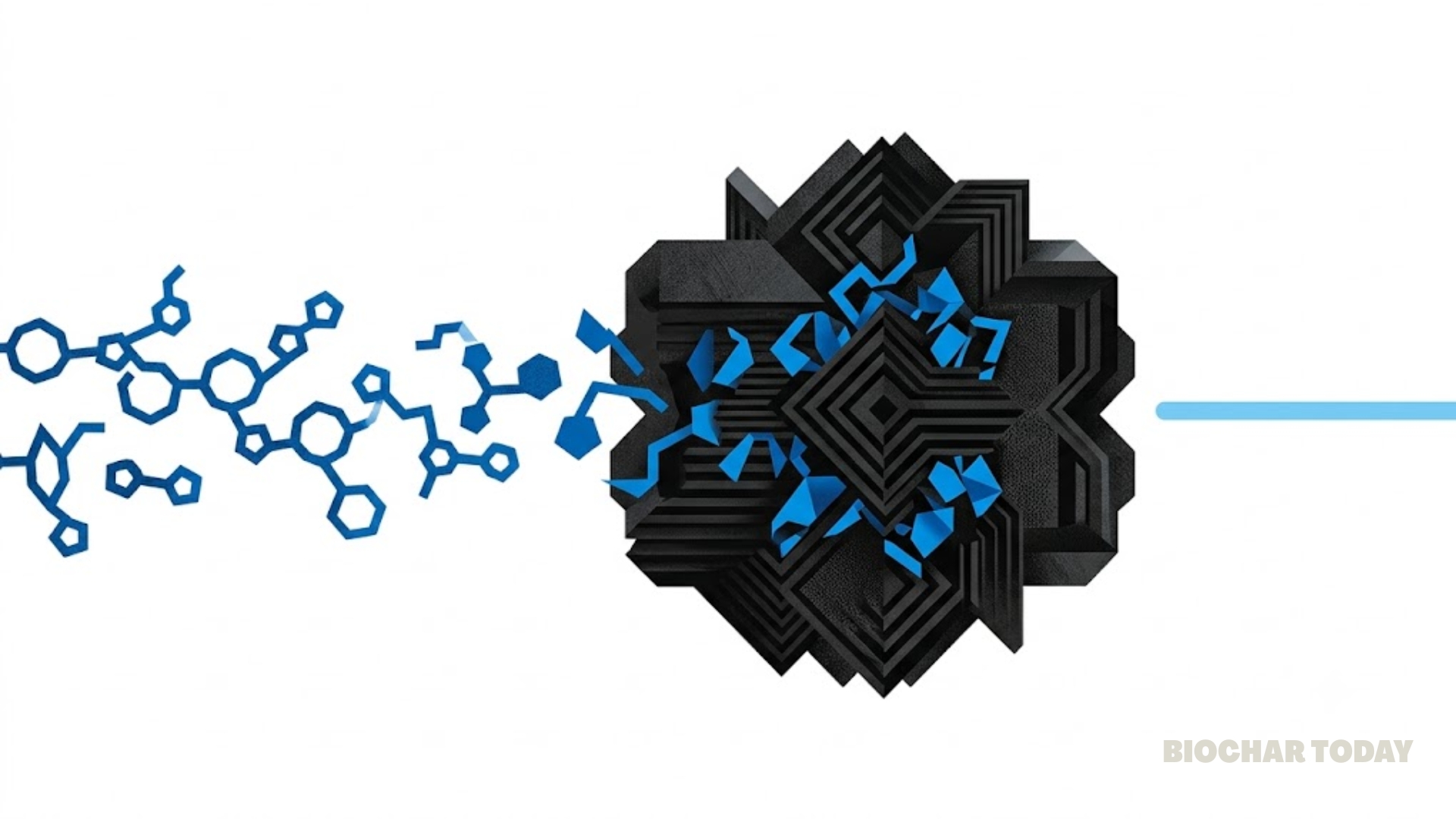
This newly synthesized NBB-460 demonstrated a remarkable ability to degrade tetracycline hydrochloride (TCH), achieving a degradation efficiency of 94.3% under optimal conditions. The high performance is attributed to the presence of graphitic and pyridinic nitrogen, which act as active sites for peroxymonosulfate (PMS) activation. These nitrogen species facilitate both radical and non-radical degradation pathways, as confirmed by various tests and density functional theory calculations.
This innovative microwave pyrolysis method addresses several drawbacks of traditional pyrolysis, such as high energy consumption and longer processing times. Traditional methods typically require high temperatures and prolonged exposure, resulting in significant energy waste. In contrast, the microwave method offers rapid, volumetric heating, leading to more efficient energy transfer and reduced thermal energy wastage.
Moreover, this process avoids the complications associated with conventional microwave absorbers, which often cause non-uniform pyrolysis and pore blockage. By integrating the nitrogen source and microwave absorber directly into the biomassBiomass is a complex biological organic or non-organic solid product derived from living or recently living organism and available naturally. Various types of wastes such as animal manure, waste paper, sludge and many industrial wastes are also treated as biomass because like natural biomass these More, the method ensures uniform pyrolysis and maintains the structural integrity of the biochar, resulting in a highly porous material ideal for environmental applications, particularly in the degradation of persistent organic pollutants like TCH.


Leave a Reply