
Peng, et al (2024) An effective strategy for biodegradation of high concentration phenol in soil via biochar-immobilized Rhodococcus pyridinivoransB403. Environmental Science and Pollution Research. https://doi.org/10.1007/s11356-024-33386-8
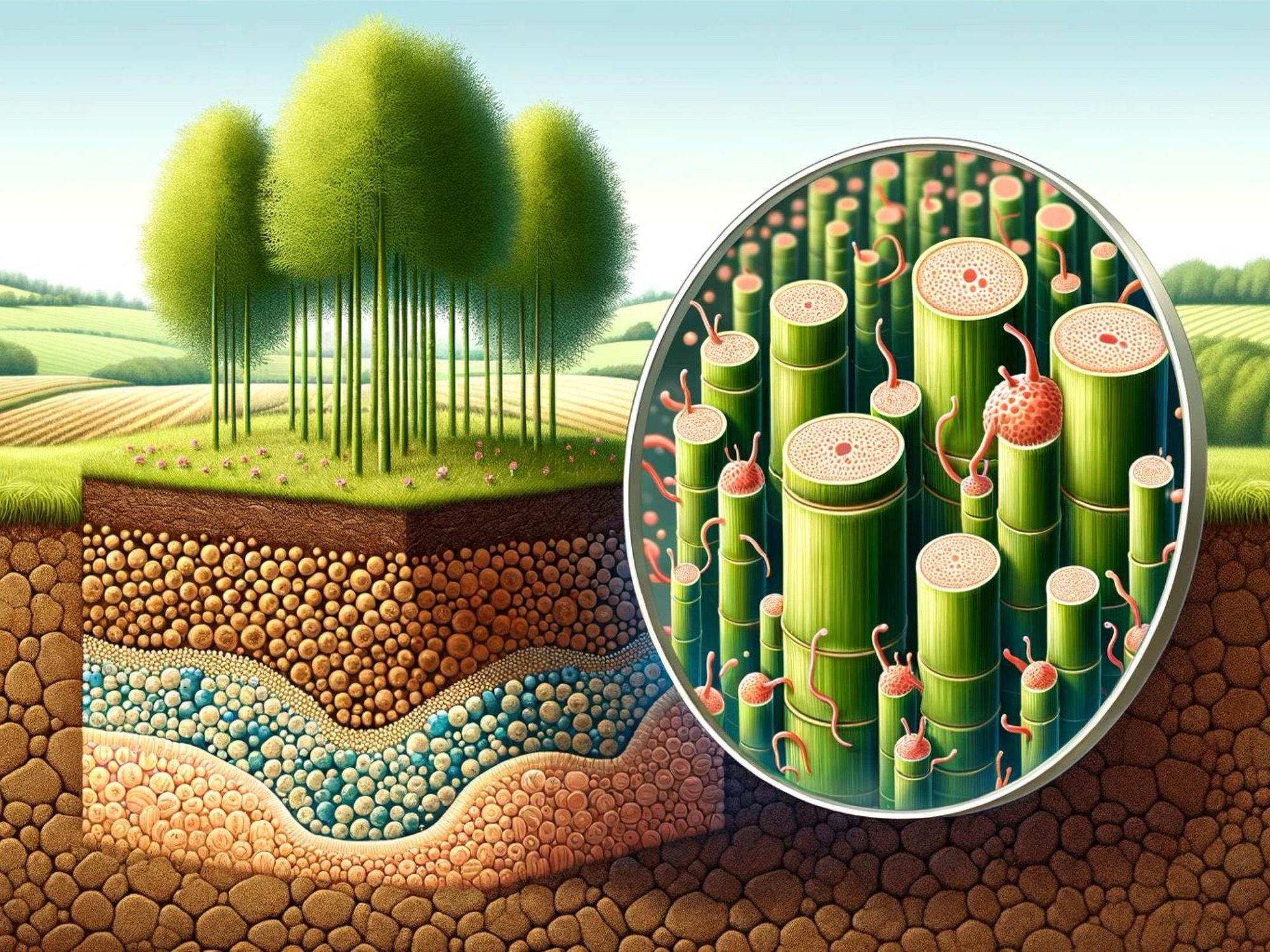
Phenol residues in soil pose significant risks to human health and ecological safety. However, there’s a lack of information on the in-situ bioremediation of phenol-contaminated soil using biocharBiochar is a carbon-rich material created from biomass decomposition in low-oxygen conditions. It has important applications in environmental remediation, soil improvement, agriculture, carbon sequestration, energy storage, and sustainable materials, promoting efficiency and reducing waste in various contexts while addressing climate change challenges. More as a bacterial carrier. Recent research has shown promising results using bamboo-derived biochar as a carrier for Rhodococcus pyridinivorans B403.
The study employed scanning electron microscopy (SEM) to examine the micromorphology of the biochar-bacteria composite and tested its bioactivity in both solution and soil environments. Researchers then compared the effectiveness of free B403 bacteria and biochar-immobilized B403 (BCJ) in degrading phenol in two different soil types and varying initial phenol concentrations.
Findings revealed that the bacterial cells were densely distributed on the biochar carriers, demonstrating high survival rates. The immobilization process increased the phenol degradation rate of strain B403 by 1.45 times, achieving 37.7 mg/(L·h). In soil, BCJ removed 81% more phenol than free B403 on the first day. Even at a phenol concentration of 1,500 mg/kg, BCJ maintained a removal rate above 51%, compared to just 15% for free B403.
Overall, BCJ consistently outperformed other treatments in phenol removal across different soil types. These results suggest that the biochar-B403 composite is a highly effective solution for remediating soils with high phenol contamination, offering a promising approach to mitigate environmental and health risks associated with phenol residues.





Leave a Reply