
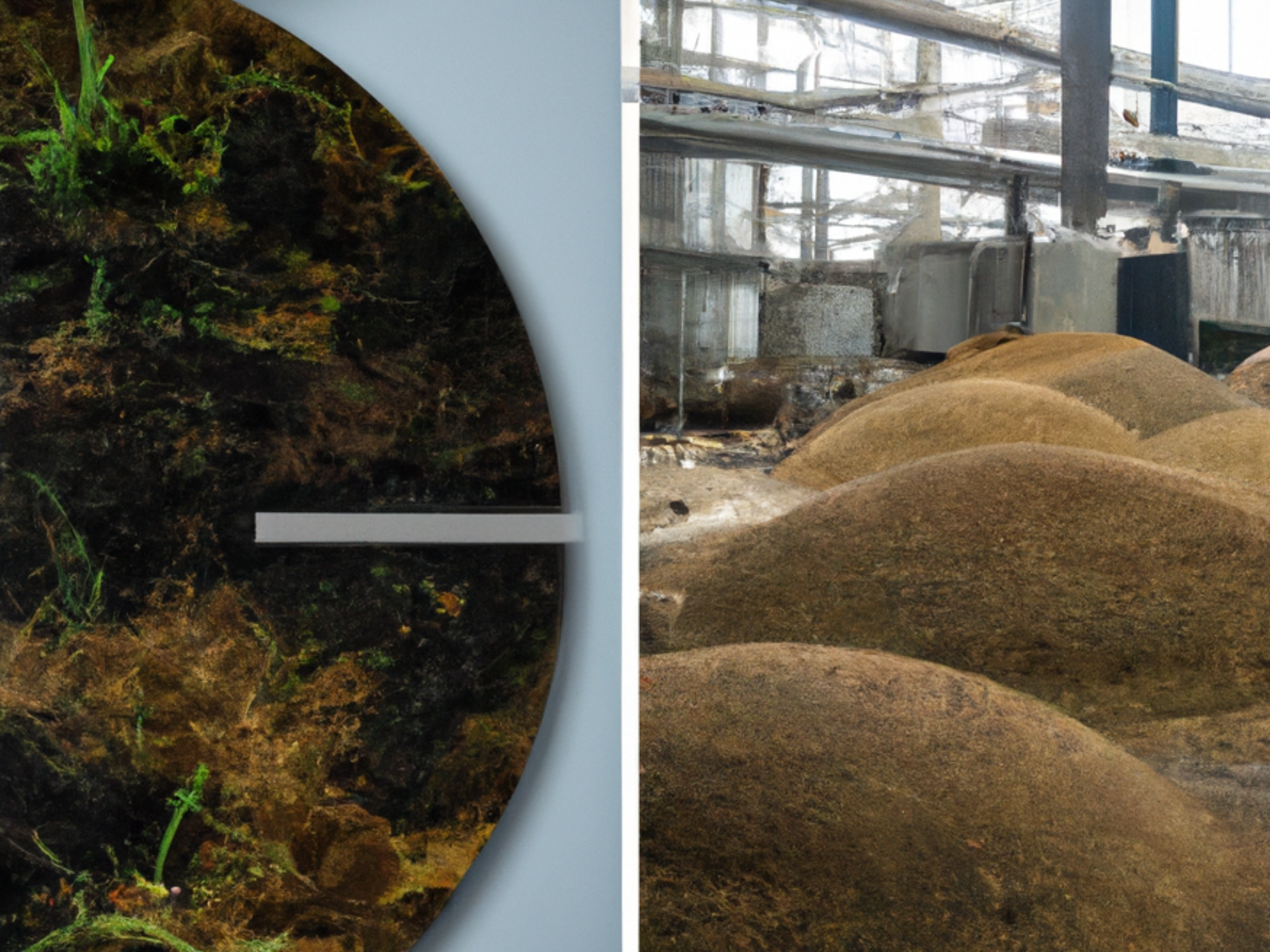

Biochar is increasingly recognized as a promising carbon dioxide removal (CDR) technology, especially when produced from waste biomass. However, the majority of studies focus on biochar produced under ideal laboratory conditions, leaving a gap in understanding its production on a commercial scale. A recent study published in the Journal of Analytical and Applied Pyrolysis addresses this gap by comparing biochar produced in a laboratory furnace with that produced in an industrial screw reactor.
The research involved converting various organic waste feedstocks, such as cafeteria food waste and grape pomace, into biochar using both systems. Both methods yielded high-quality biochar suitable for soil amendmentA soil amendment is any material added to the soil to enhance its physical or chemical properties, improving its suitability for plant growth. Biochar is considered a soil amendment as it can improve soil structure, water retention, nutrient availability, and microbial activity. More, characterized by a hydrogen-to-carbon (H:C) ratio of less than 0.7. However, differences were noted in the thermogravimetric analysis (TGA), where the industrial biochar showed greater variability in volatile content and decomposition rates.
Despite these differences, the study found that key properties essential for biochar’s application in soil, such as surface area and organic carbon content, remained consistent across both production methods. The study concludes that biochar produced in industrial systems can effectively replicate the properties of laboratory-produced biochar, making it viable for large-scale waste management and CDR applications. This research highlights the potential of industrial biochar systems as localized solutions for organic waste valorization, though it also underscores the importance of understanding and controlling key production variables to ensure consistent biochar quality.





Leave a Reply