
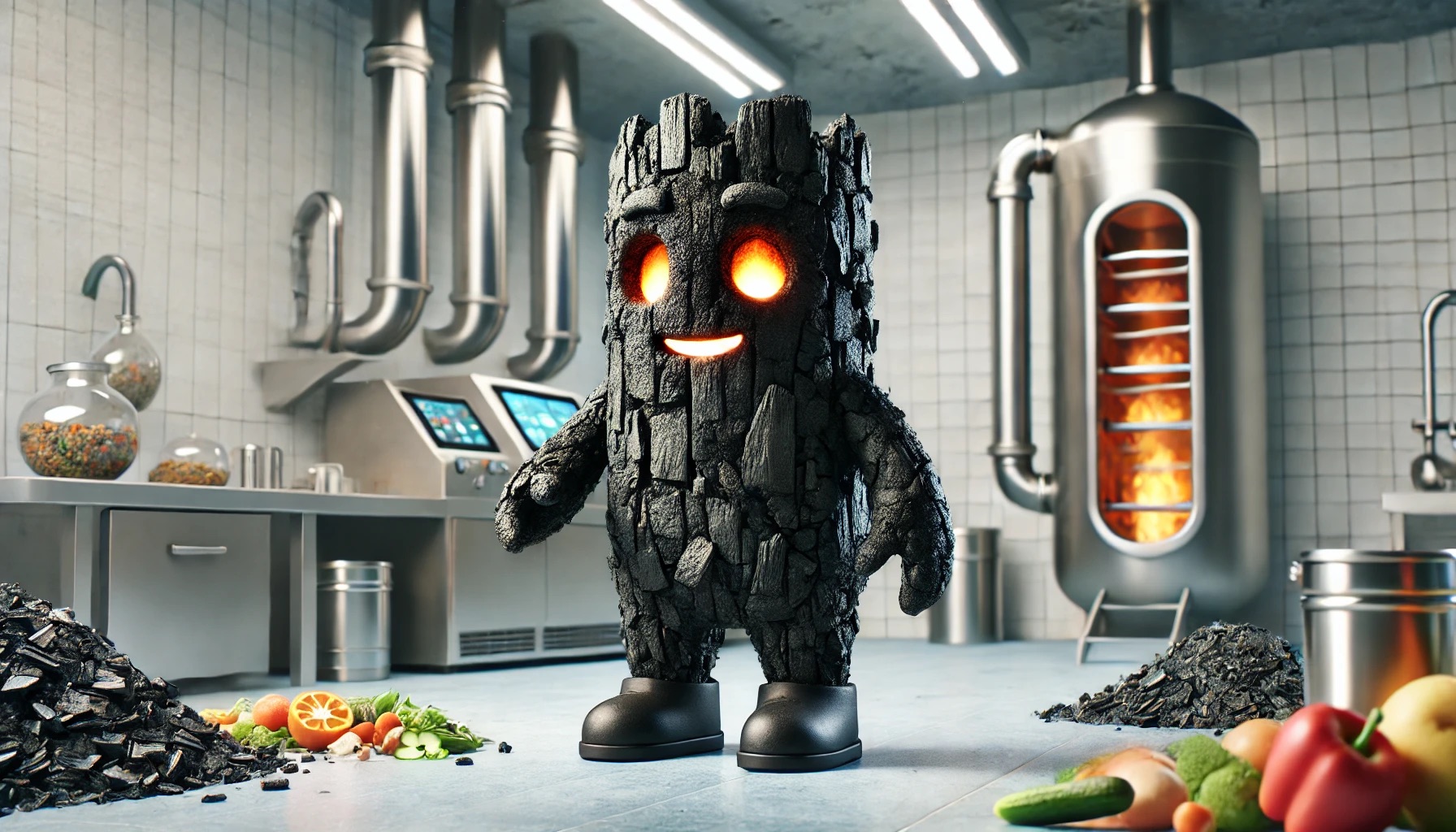

A recent study published in the Chemical Engineering Journal explores how cobalt-modified biochar enhances the efficiency of anaerobic digestion for kitchen waste (KW). The research team, led by Jianwei Zhao, developed biochar from digestate, a byproduct of anaerobic digestion, and modified it with cobalt (DDB-Co). This innovation aimed to improve the process of dry anaerobic digestion, a method of turning solid organic waste into biogas.
Key findings showed that adding 4.0 g/L of DDB-Co to the digestion system increased biogas production by 80.9%, with an optimal yield of 205.3 mL per gram of volatile solids. The modification improved the biochar’s surface area and enhanced its ability to accelerate the conversion of volatile fatty acids (VFA), preventing excessive acid buildup, a common problem in dry digestion.
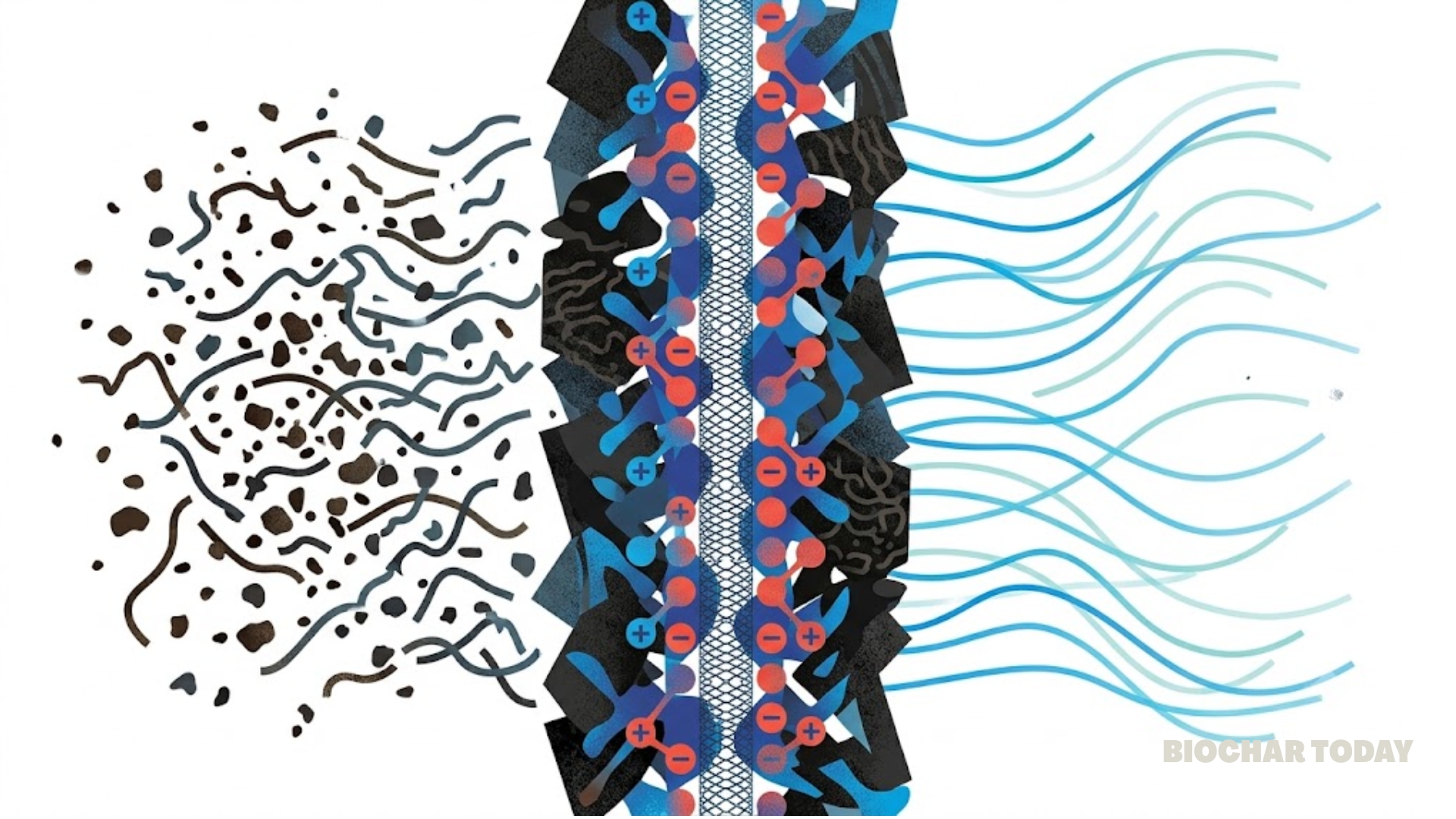
Microbial analysis revealed that DDB-Co selectively enriched methanogenic bacteria like Methanothrix and Lactobacillus, boosting methane production through a process called direct interspecies electron transfer (DIET). Moreover, the presence of cobalt increased the abundance of key enzymes involved in methane production, such as acetate kinase and acetyl-CoA synthetase.
This study demonstrates the potential of cobalt-modified biochar to enhance the anaerobic digestion of kitchen waste, offering a sustainable solution for waste management and biogas production, while also reducing the environmental burden of digestate disposal.




Leave a Reply