

A team led by Resham Thapa from the University of Wyoming published an article in Agronomy, evaluating the impact of coal char as a soil enhancer. Collaborators included Peter Stahl, Roger Coupal, and Mohan Dangi. Their three-year study on unirrigated semiarid rangeland soil assessed the effects of coal char and biocharBiochar is a carbon-rich material created from biomass decomposition in low-oxygen conditions. It has important applications in environmental remediation, soil improvement, agriculture, carbon sequestration, energy storage, and sustainable materials, promoting efficiency and reducing waste in various contexts while addressing climate change challenges. More on soil properties and plant growth. Results indicated that both coal char and biochar increased soil organic carbon and cation exchange capacity. Thapa expressed satisfaction with the findings, noting coal char’s comparable performance to biochar.
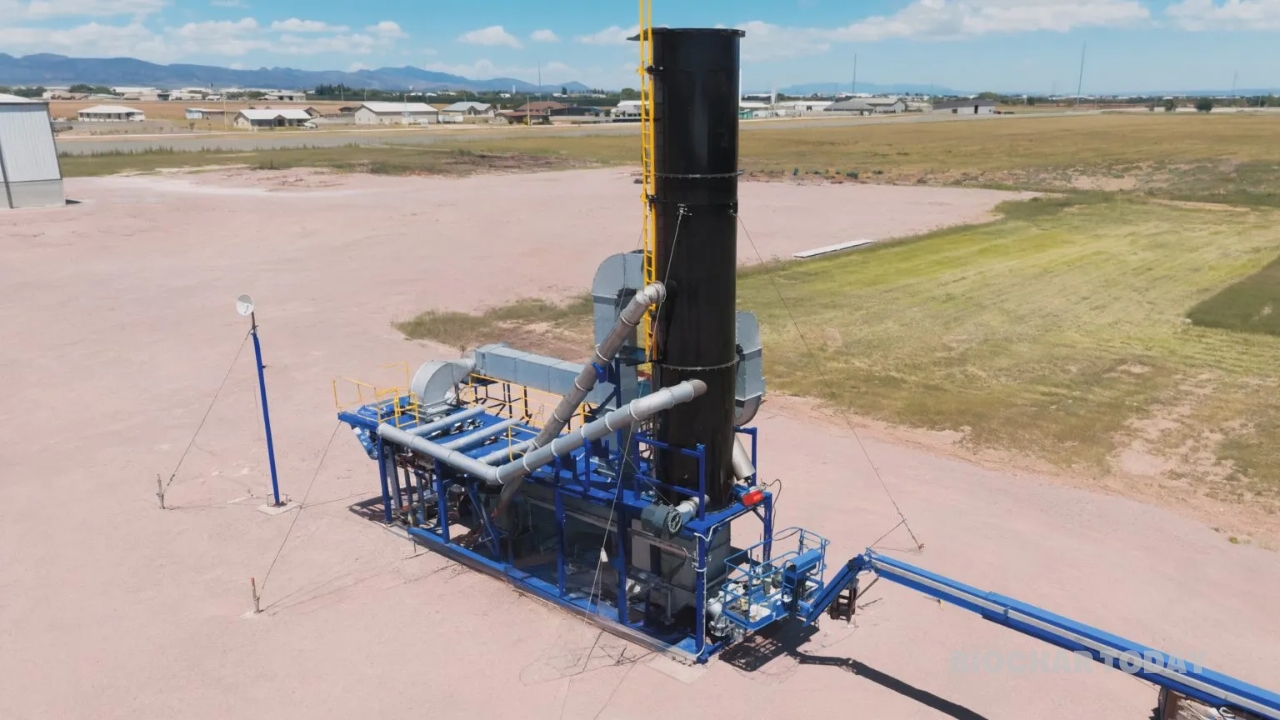
The field experiment, conducted from 2018 to 2020, involved various grasses at UW’s Sustainable Agriculture Research and Extension Center. This initiative aligns with the carbon engineering goals of UW’s Center for Carbon Capture and Conversion (CCCC), aiming to leverage Wyoming coal for sustainable agricultural practices. The pyrolysisPyrolysis is a thermochemical process that converts waste biomass into bio-char, bio-oil, and pyro-gas. It offers significant advantages in waste valorization, turning low-value materials into economically valuable resources. Its versatility allows for tailored products based on operational conditions, presenting itself as a cost-effective and efficient More of Powder River Basin coal produced porous coal char, which aids in soil nutrient and moisture retention.
Favorable outcomes from the studies suggest potential market viability.
READ MORE:
- Are lumps of coal a gift to soil?
- An Assessment of Plant Growth and Soil Properties Using Coal Char and Biochar as a Soil Amendment




Leave a Reply