
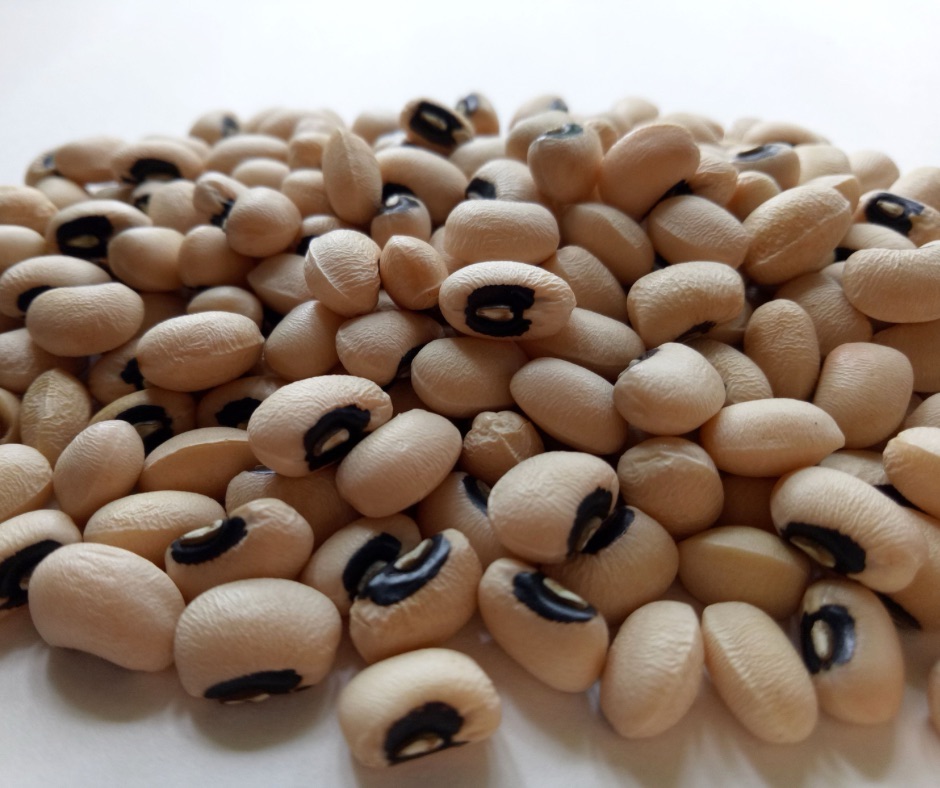
Adekiva, Ayorinde, et al (2024) Combined lime and biocharBiochar is a carbon-rich material created from biomass decomposition in low-oxygen conditions. It has important applications in environmental remediation, soil improvement, agriculture, carbon sequestration, energy storage, and sustainable materials, promoting efficiency and reducing waste in various contexts while addressing climate change challenges. More application enhances cowpea growth and yield in tropical Alfisol. Scientific Reports, Vol 14. https://doi.org/10.1038/s41598-024-52102-7
Acidic soils plague over 25% of global land, including vast stretches of tropical regions. This acidity hampers crop productivity, including vital legumes like cowpea, a dietary staple and income source for millions in West Africa. To address this challenge, this study investigated the combined effects of biochar and lime on soil characteristics, cowpea growth, and yield in a tropical savanna environment.
Experiments in 2020 and 2021 tested various combinations of lime (0-10 t ha⁻¹) and wood biochar (0-10 t ha⁻¹) applied to an Alfisol. The results revealed:
- Enhanced soil properties: Both lime and biochar, alone or combined,improved soil pHpH is a measure of how acidic or alkaline a substance is. A pH of 7 is neutral, while lower pH values indicate acidity and higher values indicate alkalinity. Biochars are normally alkaline and can influence soil pH, often increasing it, which can be beneficial More, key nutrients like nitrogen, phosphorus, and potassium,and cation exchange capacity, creating a more fertile environment for cowpea growth.
- Optimized cowpea growth and yield: Cowpea yield positively correlated with increasing biochar rates and reached peak yield at 2.5 t ha⁻¹ lime application.However, excessive lime combined with high biochar doses (10 t ha⁻¹ each) significantly reduced yield, highlighting the importance of finding the optimal balance.
- Cost-effective soil amendmentA soil amendment is any material added to the soil to enhance its physical or chemical properties, improving its suitability for plant growth. Biochar is considered a soil amendment as it can improve soil structure, water retention, nutrient availability, and microbial activity. More: Combining biochar with 2.5 t ha⁻¹ lime achieved similar yield benefits as higher lime levels with additional biochar, suggesting a more cost-effective and sustainable approach.
This study demonstrates the effectiveness of combining biochar and lime in mitigating soil acidity, enhancing soil fertility, and boosting cowpea yield in tropical savannas. This approach offers a promising solution for farmers seeking to optimize cowpea production while minimizing costs and protecting the environment.
Future research could delve deeper into:
- Long-term impacts: Assessing the sustained effects of combined biochar and lime application on soil health and cowpea productivity.
- Varietal specific responses:Investigating how different cowpea varieties respond to varying biochar and lime combinations.
- Cost-benefit analysis: Evaluating the economic viability of this approach for farmers in different contexts.
By optimizing soil management strategies for acidic tropics, we can pave the way for increased cowpea production, improved food security, and sustainable agricultural practices in vulnerable regions.



![Eucalyptus Wood Waste-Derived Biochar Achieves a Ninety-Eight Percent Removal Efficiency for Benzo[ghi]perylene in Vehicle-Wash Wastewater](https://biochartoday.com/wp-content/uploads/2026/10/SCIENCE-BLOGS-2026-2026-10-19T160523.703.jpg)


Leave a Reply