
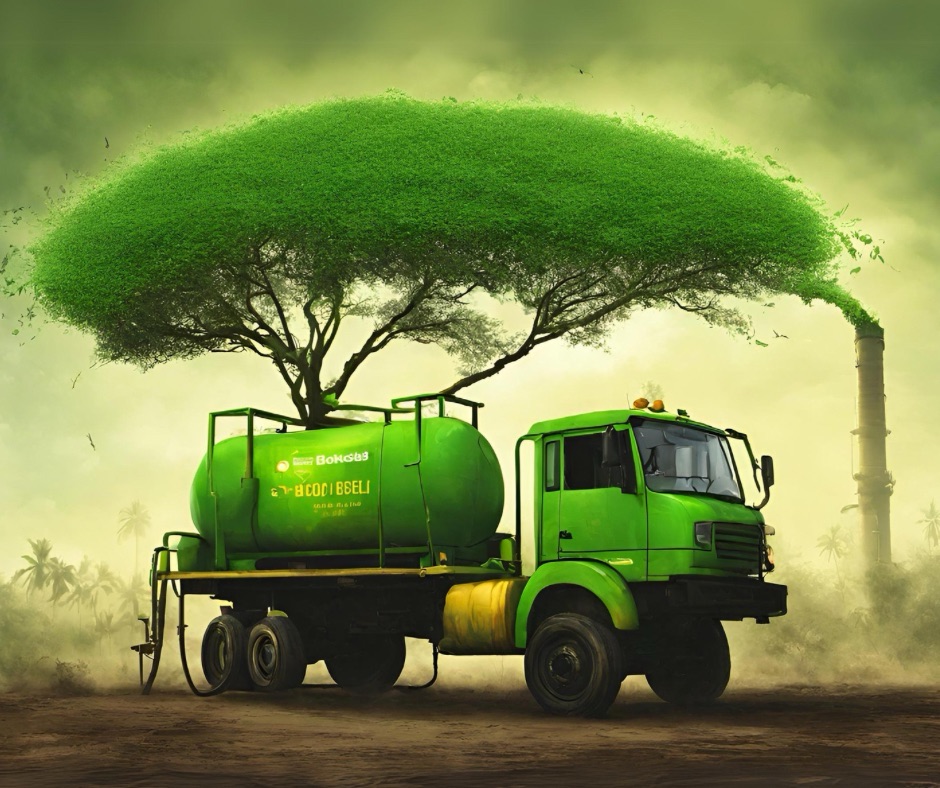

Surging demand for energy and environmental concerns in India have driven the search for renewable alternatives to fossil fuels. Biodiesel, produced from plant oils and wastes, holds promise for reducing dependence on oil imports and mitigating climate change.
The Indian government actively promotes biofuel production through policies like the National Policy on Biofuels, aiming for 5% biodiesel blending in diesel and 20% ethanol blending in petrol by 2030. To achieve this, efficient and cost-effective biodiesel production technologies are crucial.
This study explores the potential of coconut husk waste for biochar catalyst production, along with mixing oils from marine algae and non-edible seeds for biodiesel production. This approach offers several advantages:
- Waste utilization: Coconut husk waste gets transformed into a valuable biochar catalyst, promoting sustainability.
- Reduced dependence on non-edible feedstocks: Mixing oils diversifies feedstockFeedstock refers to the raw organic material used to produce biochar. This can include a wide range of materials, such as wood chips, agricultural residues, and animal manure. More sources, mitigating land resource pressure.
- Efficient catalyst: Sulphonated Zinc-doped biochar demonstrates high biodiesel yield conversion.
Challenges remain, however. Low lipid content in marine algae necessitates further research for enhanced oil extraction. Additionally, integrating biodiesel production with bioethanol production from algal biomassBiomass is a complex biological organic or non-organic solid product derived from living or recently living organism and available naturally. Various types of wastes such as animal manure, waste paper, sludge and many industrial wastes are also treated as biomass because like natural biomass these More could optimize resource utilization.
Overall, this study highlights the potential of using waste materials and diverse feedstocks for sustainable biodiesel production in India. Further research and development in this area can pave the way for a cleaner and more energy-independent future.


Leave a Reply