
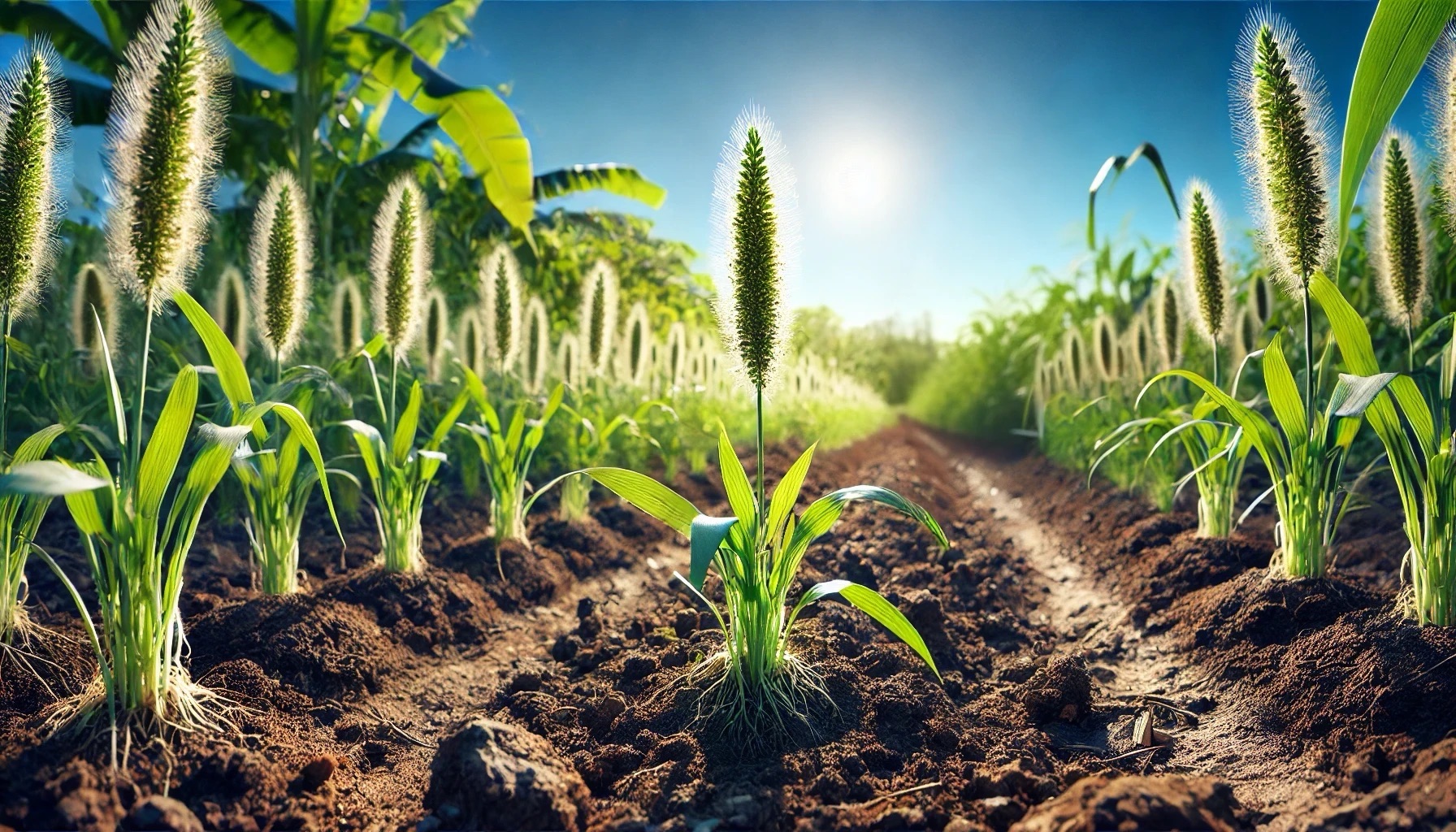

A recent study published in the Journal of Hazardous Materials explores the use of KMnO4-hematite modified biochar (MnFeB) to address soil contamination by heavy metals like cadmium (Cd) and zinc (Zn). This contamination poses significant risks to crop safety and human health. The study specifically focuses on weakly alkaline soils in northern China, where heavy metal pollution is a growing concern due to industrial activities.
The researchers developed MnFeB to immobilize these heavy metals in the soil, converting them into less bioavailable forms. This conversion significantly reduced the phytotoxicity of Cd and Zn, with a notable reduction in bioavailable Cd by 57.79% and Zn by 35.64%. Consequently, the growth parameters and photosynthetic rate of foxtail millet, a strategic crop for semi-arid regions, improved. Chlorophyll and total protein levels increased, while harmful substances like proline and H2O2 decreased.
Moreover, MnFeB enhanced the activity of superoxide dismutase (SOD), a critical enzyme for plant health, while reducing the activities of other stress-related enzymes. The application of MnFeB also lowered the levels of Cd and Zn in the plant’s stems, leaves, and grains, ensuring safer food production.
This study demonstrates the potential of MnFeB as an effective and environmentally friendly soil amendmentA soil amendment is any material added to the soil to enhance its physical or chemical properties, improving its suitability for plant growth. Biochar is considered a soil amendment as it can improve soil structure, water retention, nutrient availability, and microbial activity. More. By reducing heavy metal biotoxicity and promoting healthier crop growth, MnFeB offers a promising solution for mitigating soil contamination and enhancing agricultural sustainability.



Leave a Reply