


Biochar, often dubbed as “black diamond,” is emerging as a revolutionary solution in the fight against soil contamination, which has escalated due to increased industrial activities, urbanization, and unsustainable agricultural practices. This carbon-rich substance, produced from pyrolyzing agricultural wastes, showcases exceptional promise in the remediation of polluted soils by immobilizing contaminants through adsorption and other physico-chemical reactions.
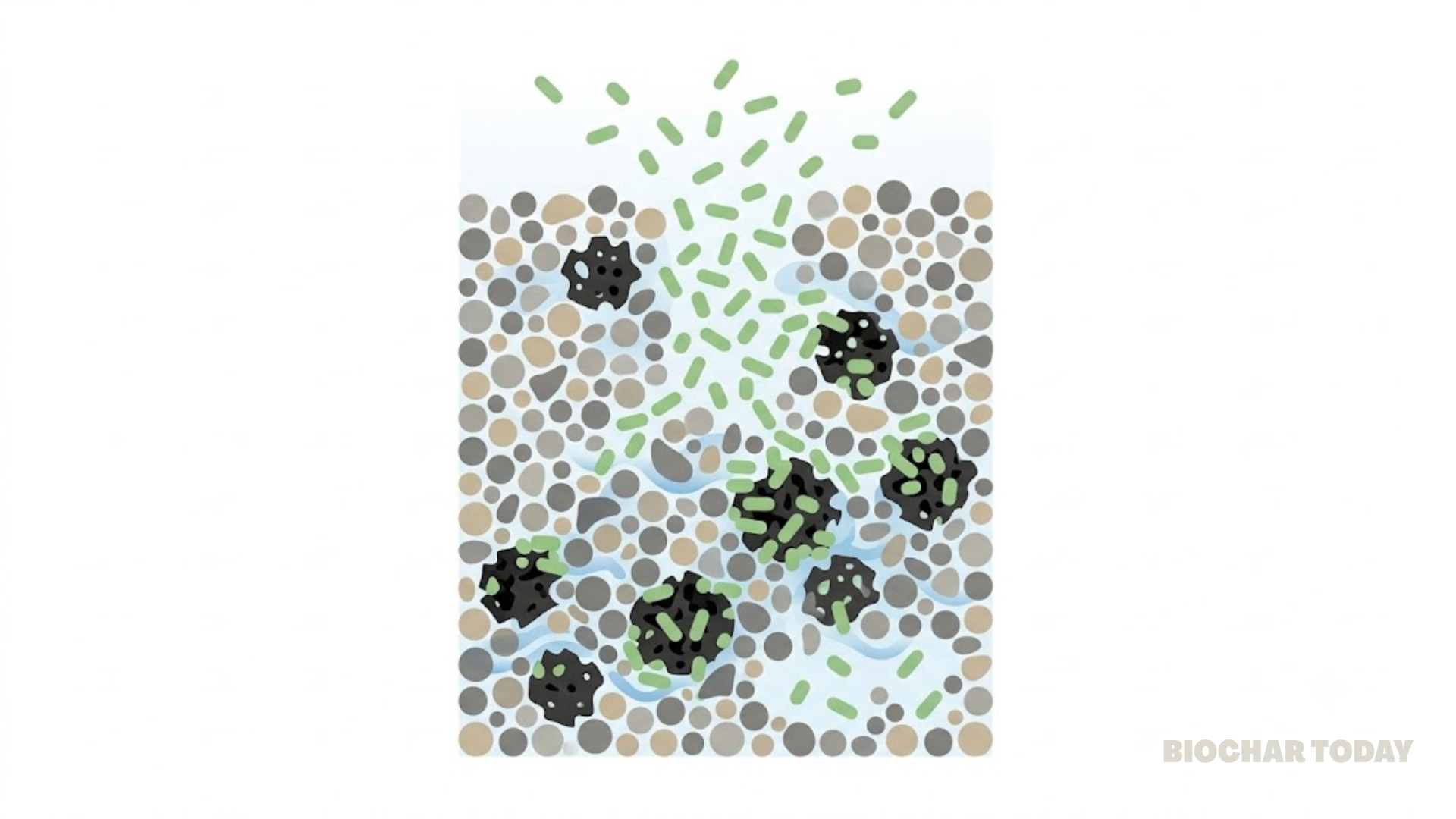
The essence of biochar lies in its impressive adsorptive properties, which are further enhanced in its engineered form. Engineered biochar is modified through various physico-chemical and biological techniques to increase its efficacy in binding and removing pollutants from soils. This enhancement makes it particularly adept at addressing a diverse array of contaminants, including persistent organic pollutants and heavy metals that are notoriously difficult to manage.
Despite its potential, the use of biochar in environmental remediation is still largely experimental. Research to date has been confined mostly to laboratory settings or small-scale field trials. There is a pressing need to expand these studies to larger, real-world applications to fully assess the effectiveness of biochar in diverse environmental conditions, particularly in industrial and saline-impacted soils.
Beyond its direct application in soil remediation, biochar offers significant environmental benefits. It contributes to waste biomassBiomass is a complex biological organic or non-organic solid product derived from living or recently living organism and available naturally. Various types of wastes such as animal manure, waste paper, sludge and many industrial wastes are also treated as biomass because like natural biomass these More recycling, thus providing a sustainable method for managing agricultural residues that might otherwise contribute to air pollution through burning. Furthermore, biochar supports soil health by improving water retention and nutrient availability, which in turn can boost crop productivity and enhance food security as global agricultural demands increase.
Biochar’s role in climate change mitigation is also noteworthy. By stabilizing carbon in a solid form, it prevents the release of carbon dioxide back into the atmosphere, thus functioning as a carbon-negative technology. This characteristic aligns well with global efforts to reduce greenhouse gas emissions and combat climate change.
Looking ahead, the future of biochar is not without challenges. Scaling up production, verifying its long-term stability in soil, and evaluating its ecological impacts are critical steps needed to realize its full potential. Nevertheless, the ongoing development of engineered biochar variants holds great promise for expanding its application spectrum and achieving the United Nations Sustainable Development Goals.
In conclusion, biochar stands out as a multifaceted solution that offers not only a sustainable strategy for soil remediation but also an avenue for enhancing global environmental health. Continued research and application will be key to unlocking its full potential and integrating it into mainstream environmental management strategies.




Leave a Reply