
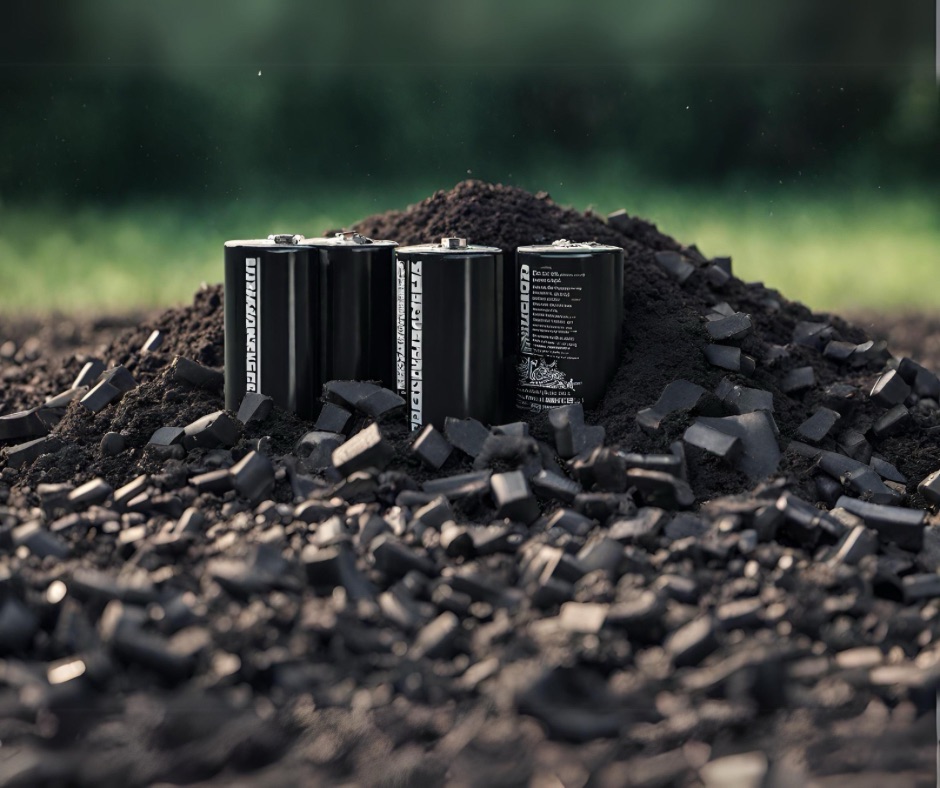
Ahuja, Palau, et al (2024) BiocharBiochar is a carbon-rich material created from biomass decomposition in low-oxygen conditions. It has important applications in environmental remediation, soil improvement, agriculture, carbon sequestration, energy storage, and sustainable materials, promoting efficiency and reducing waste in various contexts while addressing climate change challenges. More: Empowering the future of energy production and storage. Journal of Analytical and Applied PyrolysisPyrolysis is a thermochemical process that converts waste biomass into bio-char, bio-oil, and pyro-gas. It offers significant advantages in waste valorization, turning low-value materials into economically valuable resources. Its versatility allows for tailored products based on operational conditions, presenting itself as a cost-effective and efficient More. https://doi.org/10.1016/j.jaap.2024.106370
As concerns about resource depletion and environmental impact mount, the quest for sustainable and efficient energy solutions intensifies. Conventional energy storage methods often rely on scarce materials, incur high costs, and leave a considerable environmental footprint. In this scenario, biochar emerges as a promising contender, offering a renewable, eco-friendly, and potentially game-changing approach.
From Waste to Wonder Material
Derived from biomassBiomass is a complex biological organic or non-organic solid product derived from living or recently living organism and available naturally. Various types of wastes such as animal manure, waste paper, sludge and many industrial wastes are also treated as biomass because like natural biomass these More (organic waste) through processes like pyrolysis, hydrothermal treatment, and flash pyrolysis, biochar possesses several characteristics that make it ideal for energy applications. Its high surface area, porous structure, reasonable conductivity, and chemical stability translate to enhanced performance in a range of energy-related devices.
Unlocking Potential across the Spectrum
- Microbial Fuel Cells (MFCs): Biochar can act as an electrode in MFCs, where bacteria generate electricity from organic matter. Studies have shown biochar-based MFCs exhibit improved power output and stability compared to traditional materials.
- Supercapacitors: Biochar’s high surface area and porous structure make it an excellent candidate for supercapacitors, devices that store and release electrical energy rapidly. Biochar-based supercapacitors have demonstrated remarkable charge storage capacity and cycling stability.
- Batteries: Biochar can be used in different battery components, including electrodes and separators. Biochar-incorporated batteries have shown promising results in terms of energy density, cycling performance, and safety.
Challenges and the Road Ahead
While biochar’s potential is undeniable, challenges remain. Optimizing biochar preparation to achieve desired properties for specific applications and scaling up production to meet larger demands are crucial hurdles to overcome. Furthermore, a deeper understanding of the underlying electrochemical processes involving biochar is necessary for further advancements.
A Greener Future Beckons
Despite the challenges, research efforts directed towards biochar-based energy technologies are rapidly advancing. By addressing existing hurdles and unlocking its full potential, biochar can pave the way for a more sustainable and efficient energy landscape. This transition promises not only cleaner energy production and storage but also the responsible utilization of waste resources, ultimately contributing to a healthier planet.



Leave a Reply