
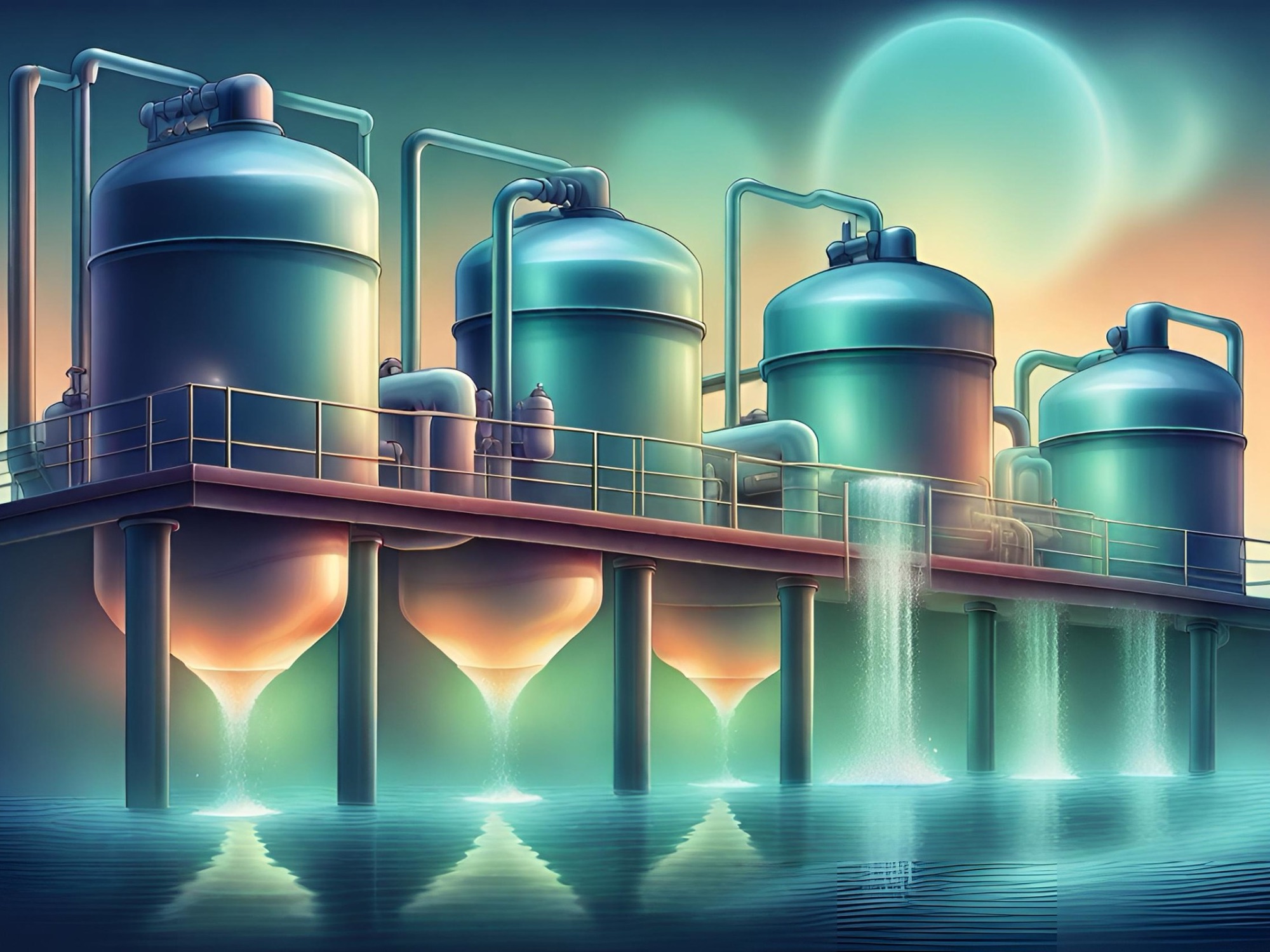

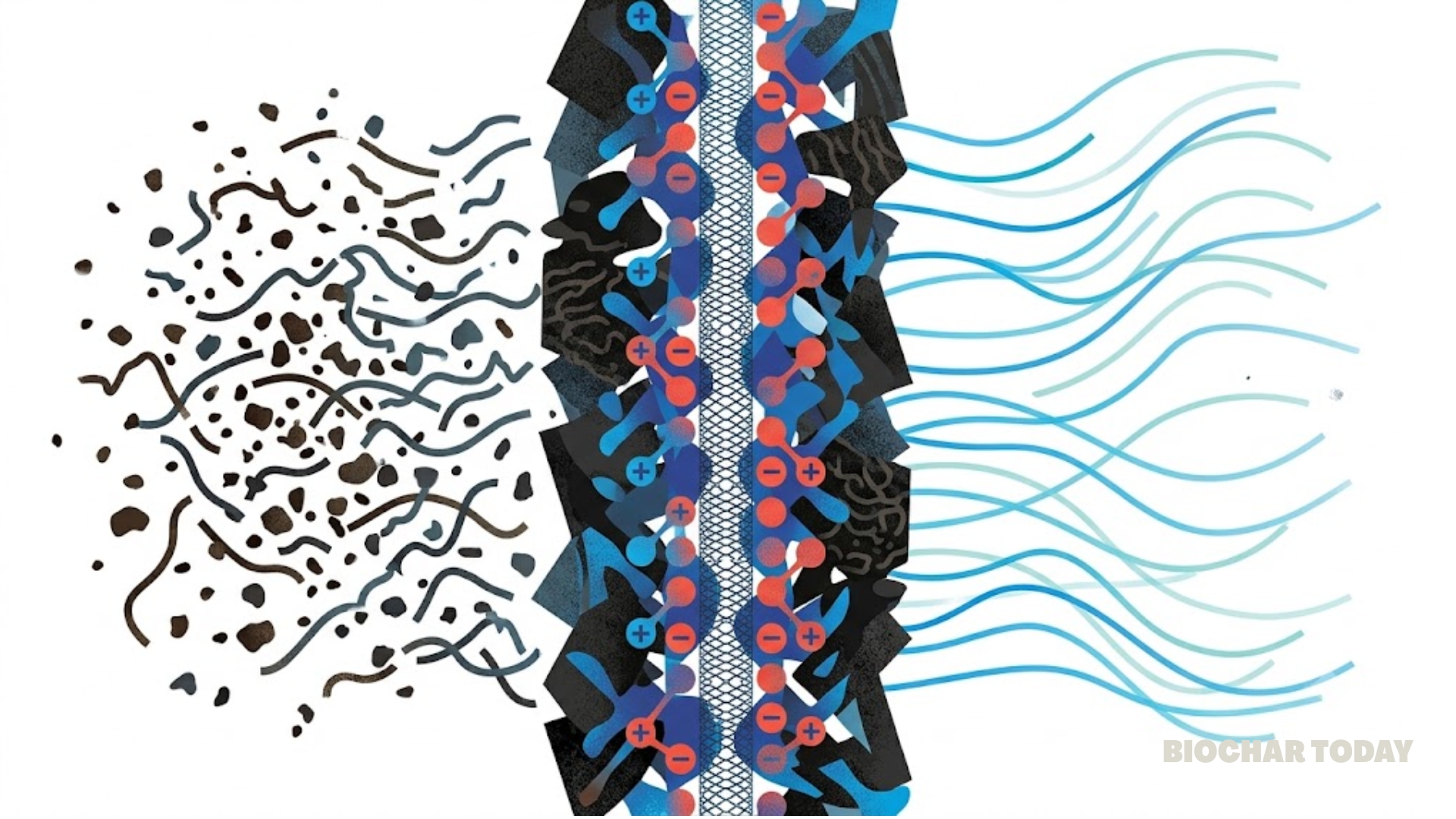
This comprehensive research explores the synergistic potential of biochar-loaded nano zero-valent iron (BC-nZVI) in water treatment, addressing the challenge of degrading organic pollutants efficiently. Biochar’s high specific surface area and porous structure, coupled with nZVI’s catalytic activity, prove effective in adsorption and degradation. The study delves into preparation methods, reaction mechanisms, influencing factors, and specific applications of BC-nZVI. Experimental evidence demonstrates its effectiveness in removing various organic pollutants like phenols, dyes, and pesticides.
The article emphasizes the significance of BC-nZVI-activated persulfate (PS) as an efficient technology for degrading organic pollutants in water. It highlights the role of BC as a carrier, providing surface area, regulating pHpH is a measure of how acidic or alkaline a substance is. A pH of 7 is neutral, while lower pH values indicate acidity and higher values indicate alkalinity. Biochars are normally alkaline and can influence soil pH, often increasing it, which can be beneficial More, and enhancing activation efficiency. The innovative BC-nZVI catalyst proves cost-effective, easy to prepare, and exhibits good activation effects, promising broad application prospects. The research identifies future directions, challenges, and outlines the technology’s application prospects and development trends in water treatment.
In the context of rising organic pollutants from industrial, agricultural, and domestic sources, BC-nZVI emerges as a promising solution. This study not only contributes to the understanding of BC-nZVI’s activation effect, cost-effectiveness, and sustainability but also underscores its applicability across diverse environmental conditions. The research serves as a valuable reference for future investigations, aiming to propel the advancement of this technology and enhance water resource protection and environmental quality.




Leave a Reply