


American ginseng, a treasured herb, is under threat from a silent invader: cadmium, a toxic heavy metal. This contamination can harm both the plant’s yield and consumer health. But scientists have discovered a powerful ally – biochar – a charcoal-like material made from renewable biomassBiomass is a complex biological organic or non-organic solid product derived from living or recently living organism and available naturally. Various types of wastes such as animal manure, waste paper, sludge and many industrial wastes are also treated as biomass because like natural biomass these More.
Biochar’s Three-Pronged Attack on Cadmium
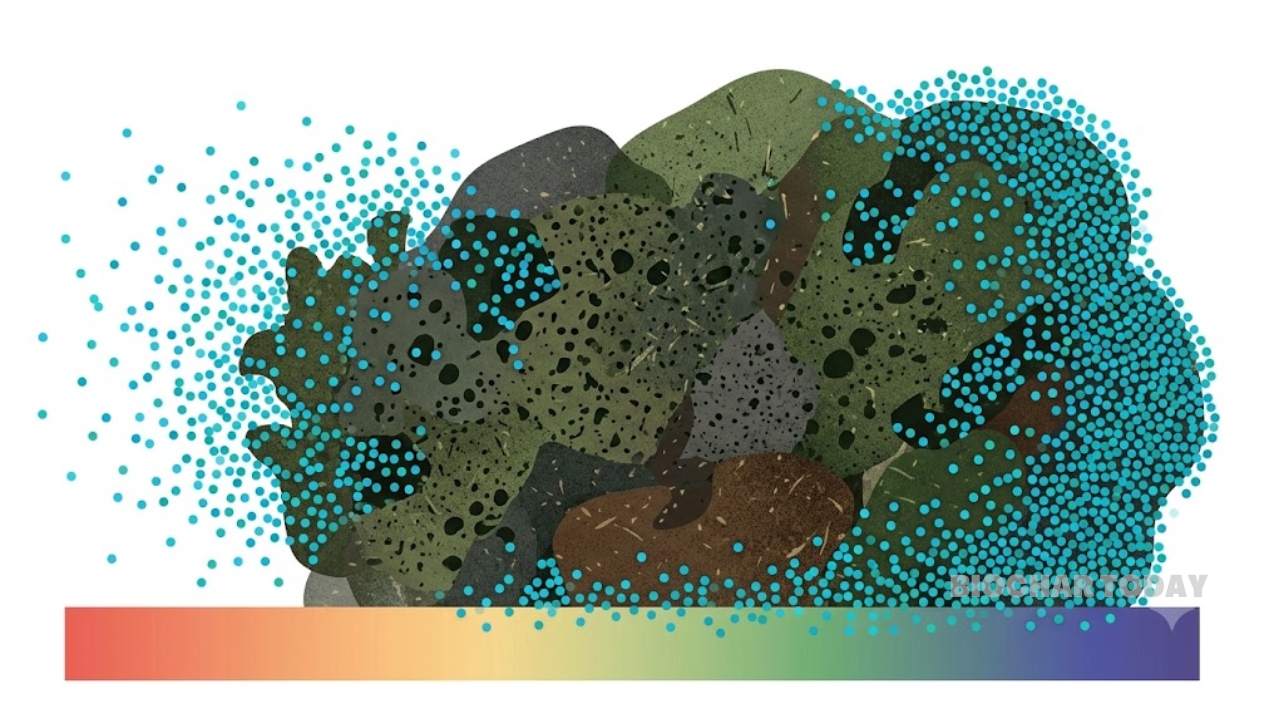
- Soil Doctor: Biochar improves soil properties, increasing pHpH is a measure of how acidic or alkaline a substance is. A pH of 7 is neutral, while lower pH values indicate acidity and higher values indicate alkalinity. Biochars are normally alkaline and can influence soil pH, often increasing it, which can be beneficial More and organic matter, creating a less hospitable environment for cadmium.
- Microbial Shield: It fosters beneficial bacteria that help bind and lock up cadmium in the soil, preventing it from reaching the ginseng roots.
- Plant Detoxifier: Biochar stimulates the production of natural chelating agents in the ginseng itself, which bind and neutralize cadmium within the plant, reducing its harmful effects.
Beyond Ginseng
These findings offer a sustainable solution for cadmium contamination in other crops and agricultural systems. Biochar, produced from waste materials like wood scraps, is eco-friendly and cost-effective. This research paves the way for safer, healthier cultivation of crops and protection of consumers from harmful heavy metals.




Leave a Reply