

Zheng, Wang, et al. (2024) Developing Prussian blue/wood-derived biocharBiochar is a carbon-rich material created from biomass decomposition in low-oxygen conditions. It has important applications in environmental remediation, soil improvement, agriculture, carbon sequestration, energy storage, and sustainable materials, promoting efficiency and reducing waste in various contexts while addressing climate change challenges. More catalyst for persistent organic pollutant degradation: Preparation, characterization, and mechanism. Chemosphere, Vol 351. https://doi.org/10.1016/j.chemosphere.2024.141150
Pollutants like dyes and drugs plague our water sources, posing serious environmental and health risks. Biochar, a charcoal-like material from biomassBiomass is a complex biological organic or non-organic solid product derived from living or recently living organism and available naturally. Various types of wastes such as animal manure, waste paper, sludge and many industrial wastes are also treated as biomass because like natural biomass these More, shows promise in removing these persistent organic pollutants (POPs), but its effectiveness needs a shot in the arm. This research introduces a powerful new player: Prussian blue decorated biochar (PBB).
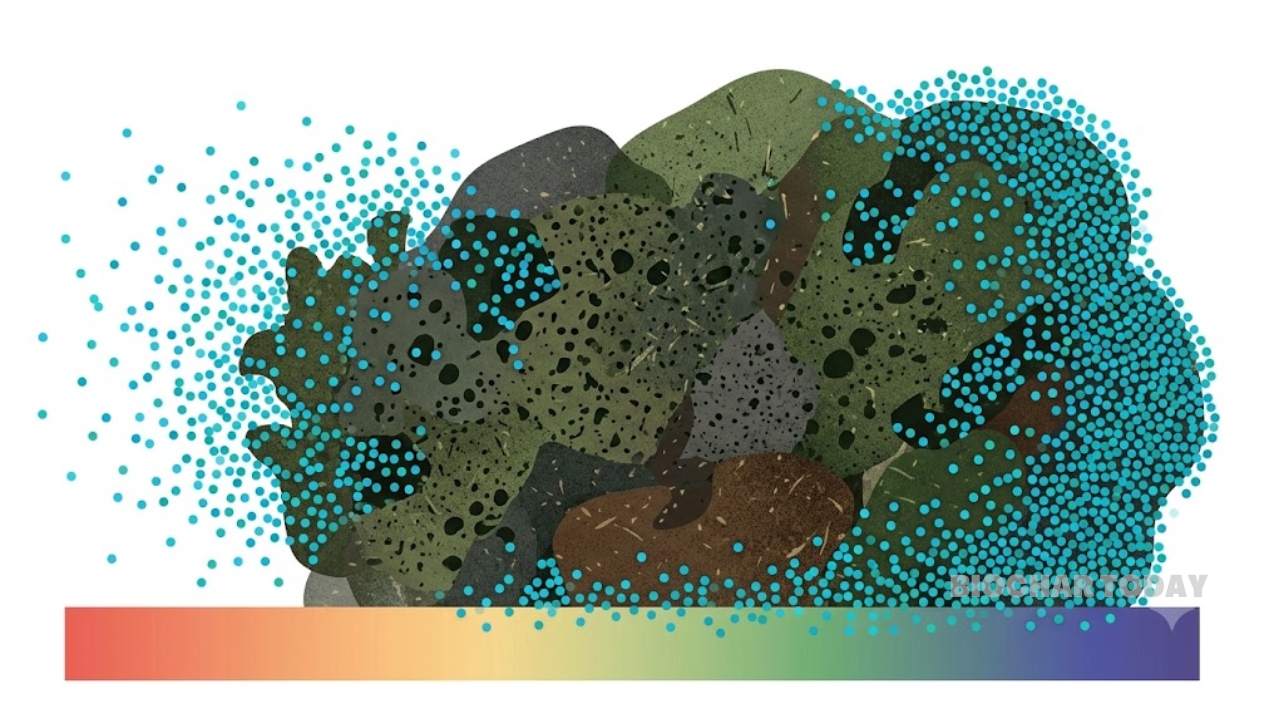
Think of PBB as a superhero sidekick for biochar. Made by embedding tiny Prussian blue cubes onto biochar’s scaffolding, PBB packs a double punch:
- Enhanced degradation: PBB skyrockets biochar’s performance,nearly doubling its ability to break down pollutants like methylene blue.This means cleaner water, faster.
- Wider range: PBB works across a broader pHpH is a measure of how acidic or alkaline a substance is. A pH of 7 is neutral, while lower pH values indicate acidity and higher values indicate alkalinity. Biochars are normally alkaline and can influence soil pH, often increasing it, which can be beneficial More range and tolerates diverse water conditions, making it a more versatile warrior against POPs.
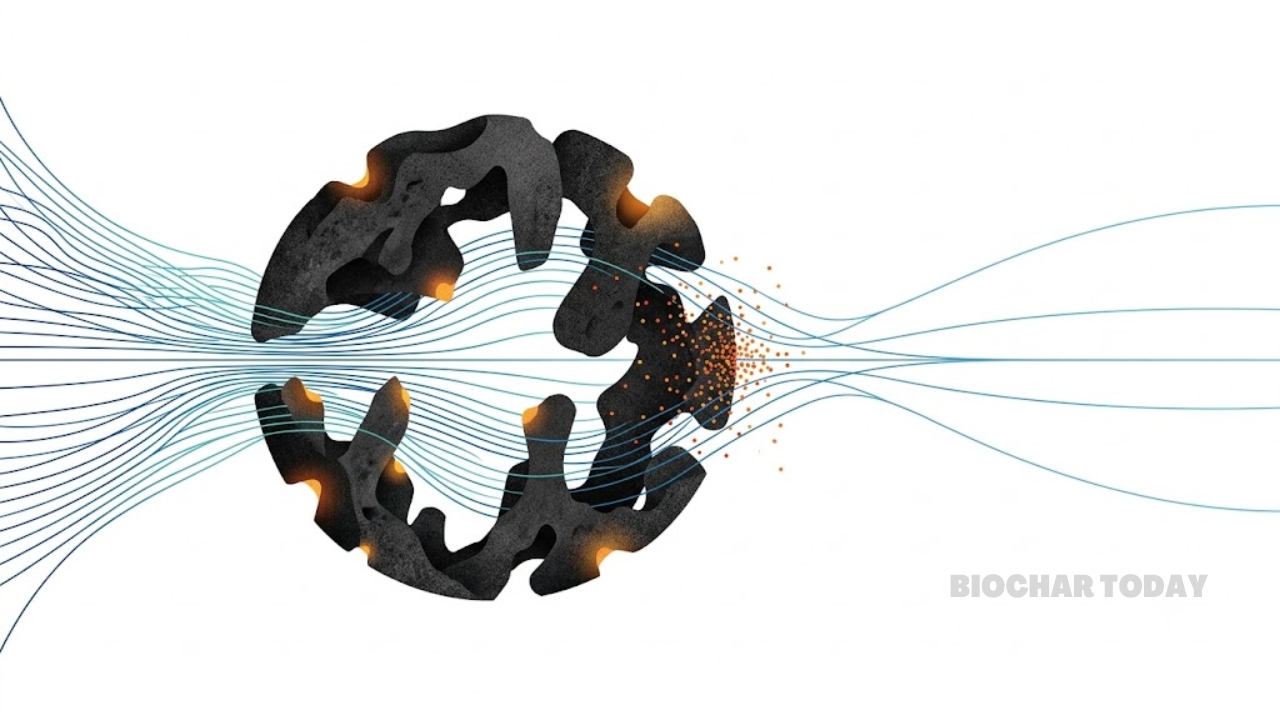
But how does this superhero duo work its magic? PBB unlocks multiple pathways to activate a powerful cleaning agent called peroxymonosulfate (PMS), generating both radical and non-radical warriors like oxygen molecules and hydroxyl radicals to attack and dismantle the pollutants.
This research is exciting because:
- It’s green: PBB uses readily available,sustainable materials like biochar and Prussian blue, minimizing environmental impact.
- It’s cost-effective: Both materials are affordable, making PBB a practical solution for wastewater treatment.
- It’s versatile: PBB works effectively under various conditions, making it adaptable to different treatment needs.
This collaboration between biochar and Prussian blue opens new doors for efficient and sustainable POPs removal. It paves the way for cleaner water, a healthier environment, and a brighter future for all.




Leave a Reply