
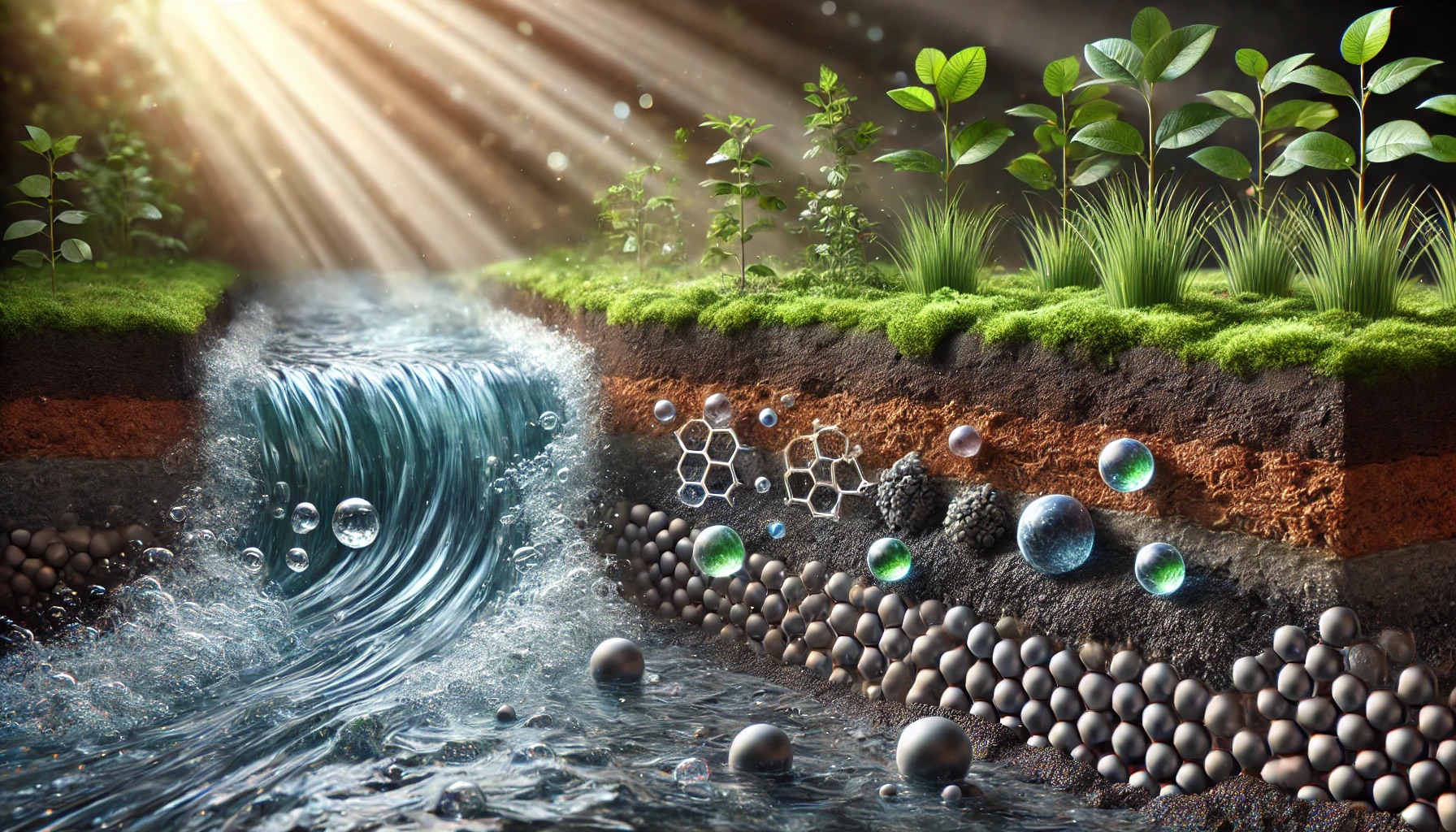
Bayar, J., Ali, N., Dong, Y. et al. Biochar-based adsorption for heavy metal removal in water: a sustainable and cost-effective approach.Environ Geochem Health46, 428 (2024). https://doi.org/10.1007/s10653-024-02214-w
As contamination of water bodies by heavy metals like lead, mercury, and cadmium continues to rise, the need for effective and sustainable water treatment methods grows. Traditional techniques such as chemical precipitation and ion exchange are often costly and inefficient. However, biochar—a carbon-rich material produced through the pyrolysisPyrolysis is a thermochemical process that converts waste biomass into bio-char, bio-oil, and pyro-gas. It offers significant advantages in waste valorization, turning low-value materials into economically valuable resources. Its versatility allows for tailored products based on operational conditions, presenting itself as a cost-effective and efficient More of organic waste—has emerged as a promising, cost-effective solution for heavy metal removal.
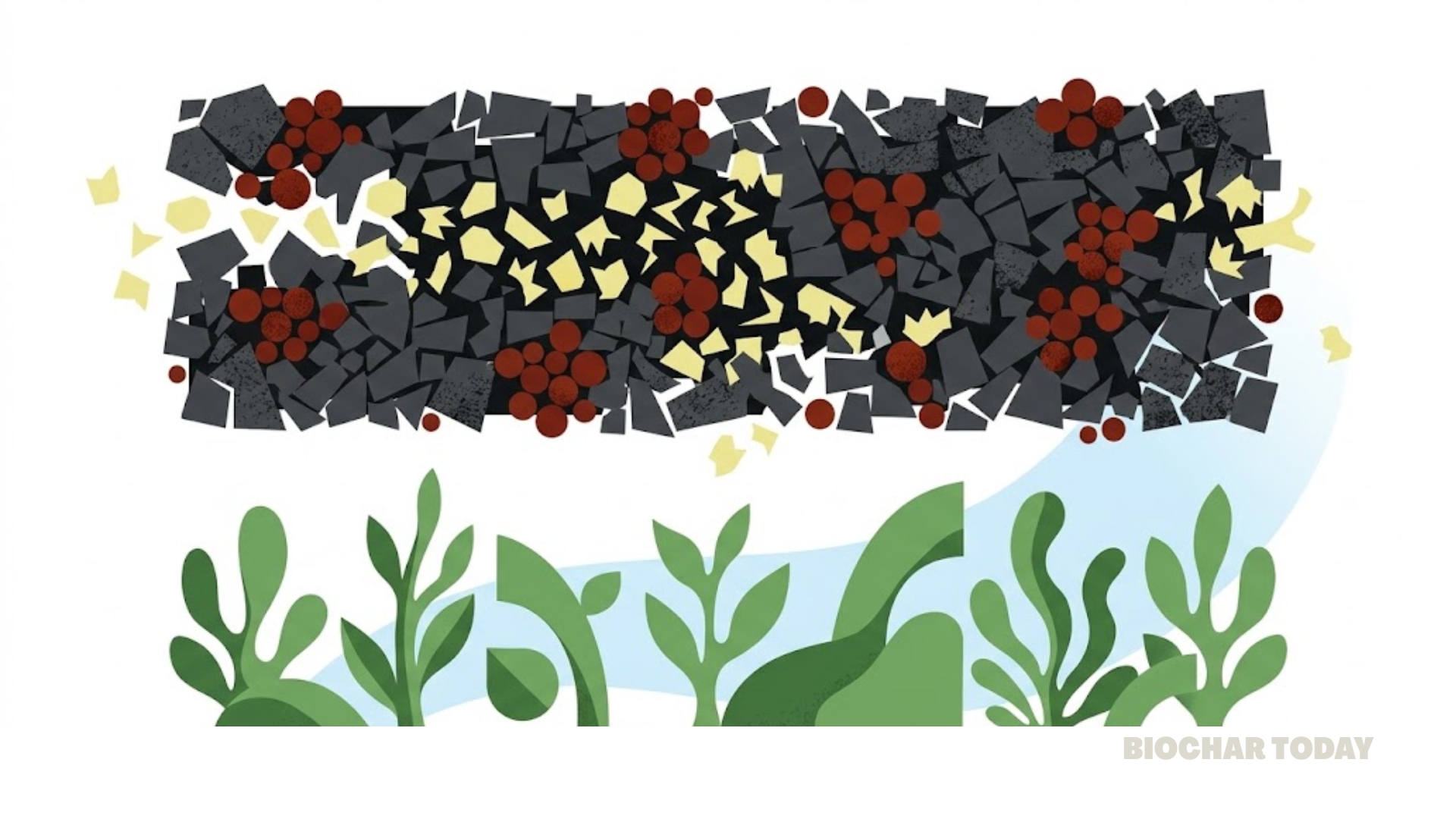
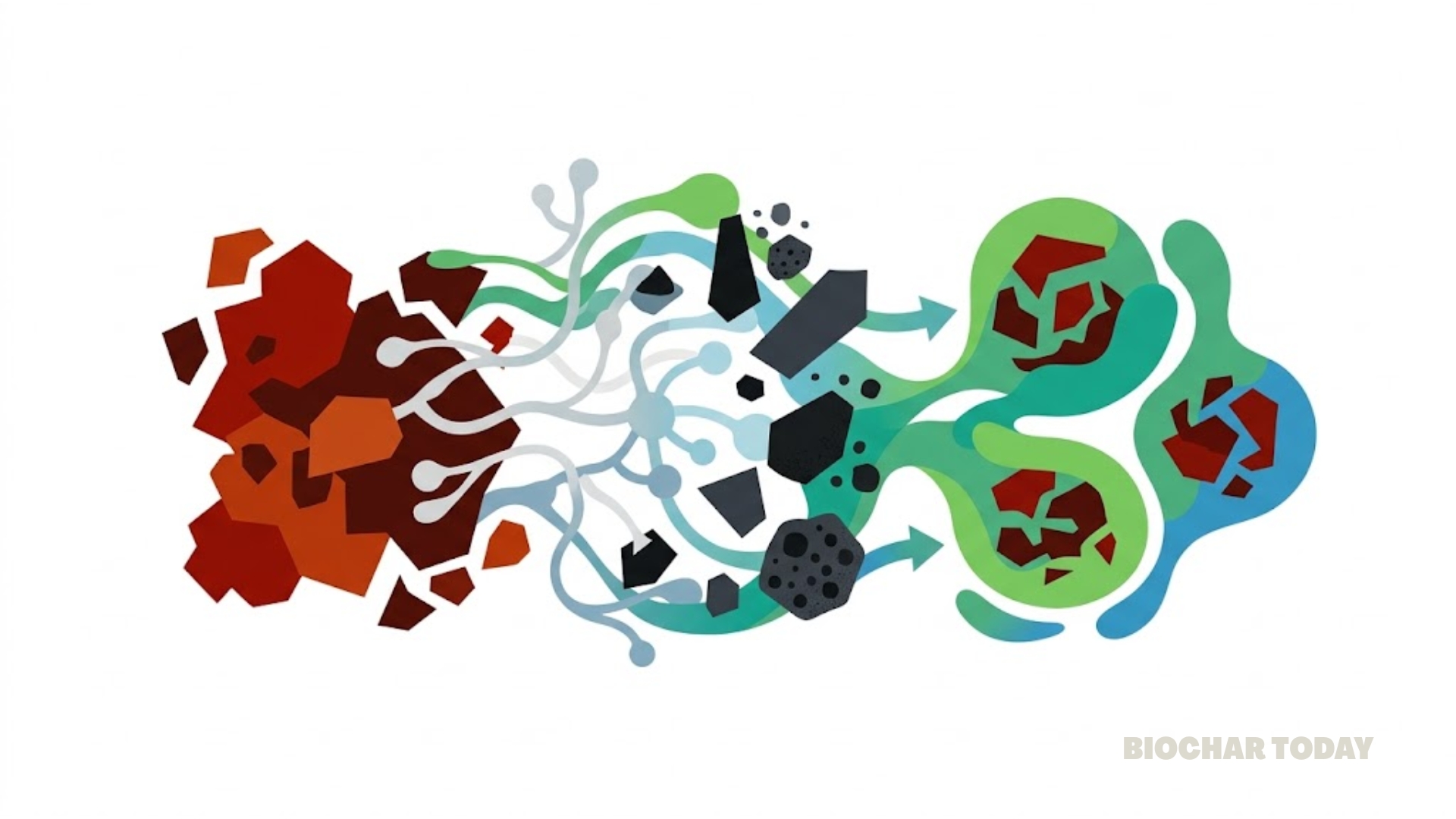
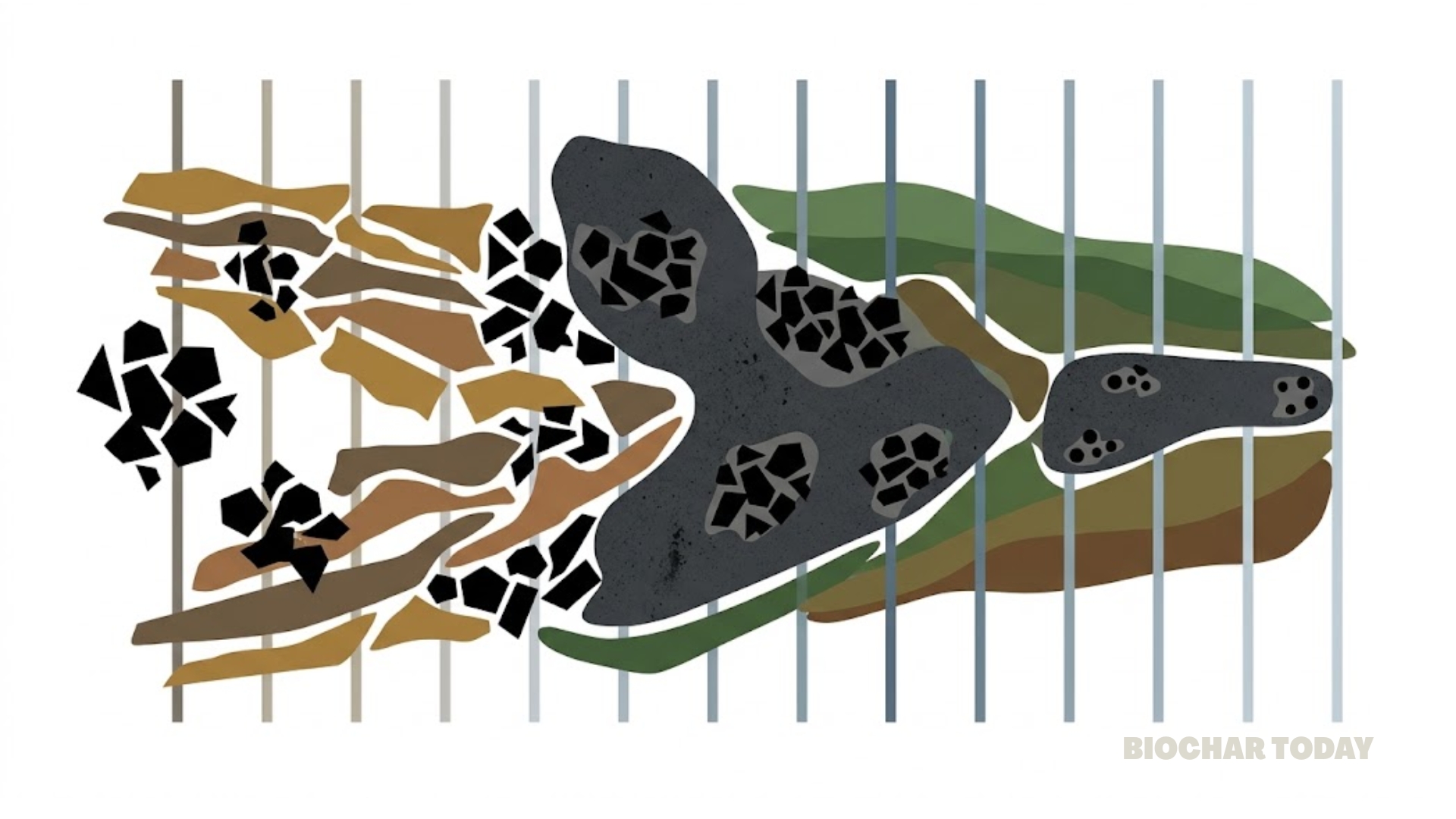
This review paper explores the potential of biocharBiochar is a carbon-rich material created from biomass decomposition in low-oxygen conditions. It has important applications in environmental remediation, soil improvement, agriculture, carbon sequestration, energy storage, and sustainable materials, promoting efficiency and reducing waste in various contexts while addressing climate change challenges. More as an adsorbent for heavy metal remediation. Due to its porous structure and surface properties, biochar can capture and immobilize toxic metals from contaminated water. Key factors that affect its adsorption capabilities include the type of organic material used (feedstockFeedstock refers to the raw organic material used to produce biochar. This can include a wide range of materials, such as wood chips, agricultural residues, and animal manure. More), pyrolysis temperature, and modification techniques. By altering these variables, the adsorption efficiency of biochar can be optimized.
The paper emphasizes that modified biochar not only offers an environmentally friendly option for water purification but also serves as a low-cost method compared to conventional treatments. Its versatility and effectiveness make biochar an important focus for future water treatment research.
In conclusion, biochar presents a promising solution for addressing the global challenge of heavy metal contamination, offering pathways to cleaner water resources.


Leave a Reply